Amazing South Korea: Where ‘Have You Eaten?’ Replaces ‘How Are You?’ and Plastic Surgery is a Coming-of-Age Gift
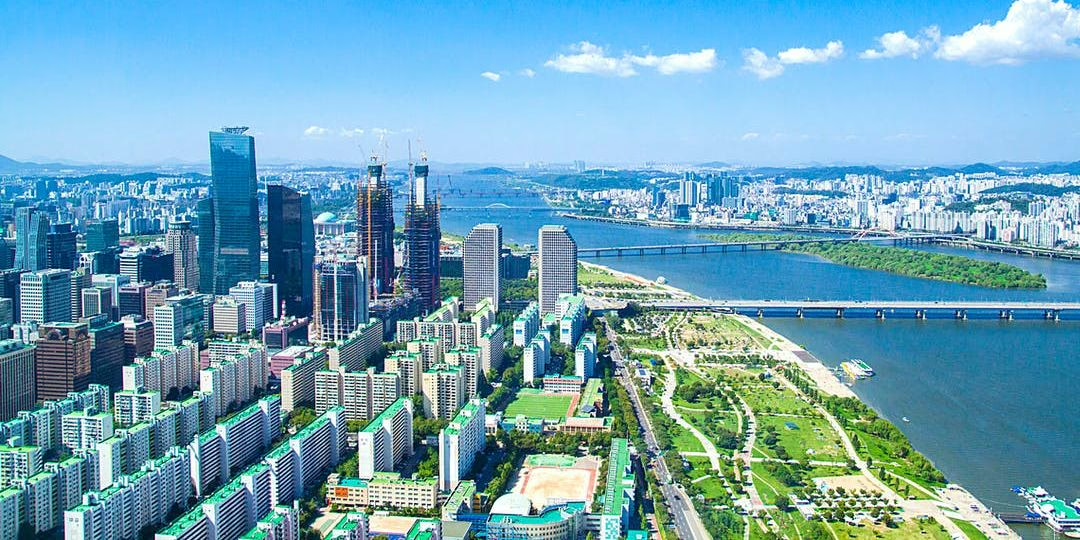
Amazing South Korea: A Land of Contrasts
South Korea is one of the most intriguing countries in the world. It’s a place where respect and tradition coexist with cutting-edge technology and rapid modernization. Here, people greet each other by asking if they’ve eaten, and sumptuous meals are a testament to the country’s love for food. It’s a society where women face unique challenges, yet the crime rate is remarkably low, and lost wallets are often returned intact.
From Rags to Riches: South Korea’s Economic Miracle
Just a few decades ago, South Korea was grappling with economic turmoil, crumbling infrastructure, and hunger. Today, it stands as a testament to resilience and determination, having transformed itself into a global economic powerhouse. This remarkable journey from adversity to prosperity is a story worth exploring.
Food: A Cultural Cornerstone
In South Korea, food is more than just sustenance; it’s a cultural cornerstone. Instead of the usual “How are you?”, Koreans greet each other with “Have you eaten?” This unique greeting reflects the country’s deep-rooted love for food, stemming from its historical struggles with hunger and survival.
Today, every meal is a celebration of love, care, and blessings. A typical Korean meal consists of a main dish accompanied by at least five side dishes, some of which are often served complimentary in cafes and restaurants. Street food is also a significant part of the culinary culture, offering everything from spicy delicacies to sweet pancakes.
A Society Built on Respect and Kindness
South Korea’s low crime rate can be attributed to its cultural emphasis on respect and kindness. Influenced by Confucianism, Koreans believe in the principle of reciprocity, treating others as they wish to be treated. This philosophy is evident in their daily lives, from the actions of K-pop idols who set positive examples for their fans to the honesty of ordinary citizens who return lost wallets.
In fact, many bags and wallets in South Korea are designed without zippers or locks, reflecting the society’s trust in one another. Moreover, the country’s advanced surveillance system ensures that any criminal activity is swiftly addressed.
Vertical Communication: Respect for Hierarchy
South Korea’s hierarchical society is evident in its communication styles. Respect for elders and those in higher positions is deeply ingrained in the culture. Children are taught to address their older siblings with specific honorifics, and this respect extends to teachers, parents, and bosses.
This vertical communication style is a tradition that has been preserved over time. However, it’s not without its critics, particularly among the younger generation and foreigners who may find it restrictive. Despite this, the tradition persists, reflecting the country’s unique blend of modernity and tradition.
Education: A Lifelong Pursuit
South Koreans are known for their strong work ethic and dedication to education. Learning is a lifelong pursuit, beginning in early childhood and continuing well into adulthood. The country is dotted with bookstores and cafes where people gather to read, study, and socialize.
Students, in particular, lead a rigorous academic life. Their days are filled with school, extracurricular activities, and tutoring sessions. Even on weekends, they participate in various events and volunteer work to bolster their college applications. The competition for university admissions is fierce, with dozens of applicants vying for a single spot in prestigious institutions.
Work: A Second Family
For South Koreans, work is more than just a means to an end; it’s a second family. The workplace is a battleground where employees strive to excel, contribute to the company’s growth, and earn recognition. Despite the intense competition, colleagues often form close bonds, fostering a sense of camaraderie and mutual support.
Companies often reward talented and hardworking employees with grants, bonuses, and insurance benefits. While the work culture can be demanding, many Koreans find joy and fulfillment in their professional lives. If a job doesn’t bring happiness, it’s not uncommon for individuals to seek opportunities elsewhere.
To learn more about South Korea’s unique culture and traditions, visit the official Korea.net website.