Alert! Prince William and Kate’s Beloved Vacation Spot Faces Severe Storm Warnings
Prince William and Kate’s Favorite Getaway Hit by ‘Danger’ Warnings
Prince William and Princess Kate are well-known for their love of staycations, often exploring various regions of the UK, from summers in Norfolk to walking trips on the Scottish island of Mull and holidays in Cornwall. The southwestern location, particularly the Isles of Scilly, holds a special place in their hearts. Prince William even owns a holiday home on the island as part of his role in the Duchy of Cornwall.
The Duchy of Cornwall
The Duchy is a private estate valued at over £1 billion, established in 1337 by Edward III. It spans 23 counties in England and Wales, including notable properties like Highgrove House and the Oval cricket ground. The estate generates a substantial annual income of £23 million.
Storm Warnings
Unfortunately, the royals’ beloved destination is currently under a rare red warning for “dangerous, stormy” winds issued by the Met Office. This highest level of alert indicates a significant ‘danger to life’ from flying debris, a stark contrast to the peaceful cycling holidays the family usually enjoys there.
Family Memories
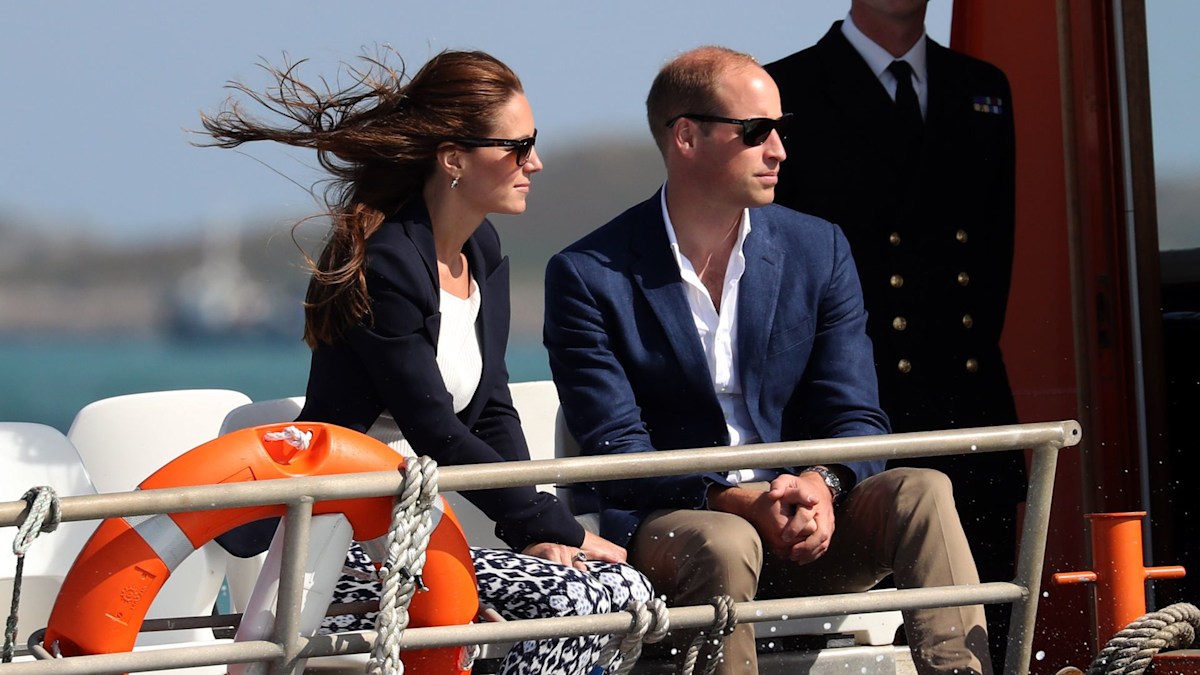
The Isles of Scilly hold cherished memories for Prince William. He holidayed there in 1989 with King Charles, the late Princess Diana, and Prince Harry. The family enjoyed cycling and exploring the rocky coastline. William and Kate visited again in 2016, touring Tresco Abbey Garden and boating along the coast.
Inclement Weather
Prince William is familiar with the Isles’ tricky weather. Their 2016 trip was delayed due to fog, forcing them to stay longer on mainland Cornwall. The latest storm, named Storm Goretti, is expected to bring gusts of up to 100mph, causing disruptions to transport services, power cuts, and very large waves. As a result, around 50 schools in Cornwall have closed early, and all trains in Cornwall will be suspended from 18:00.
For more information, visit the Met Office.