Perfect Brows Unlocked: Expert Tips on Micropigmentation
Perfect Brows Unlocked: Expert Tips on Micropigmentation
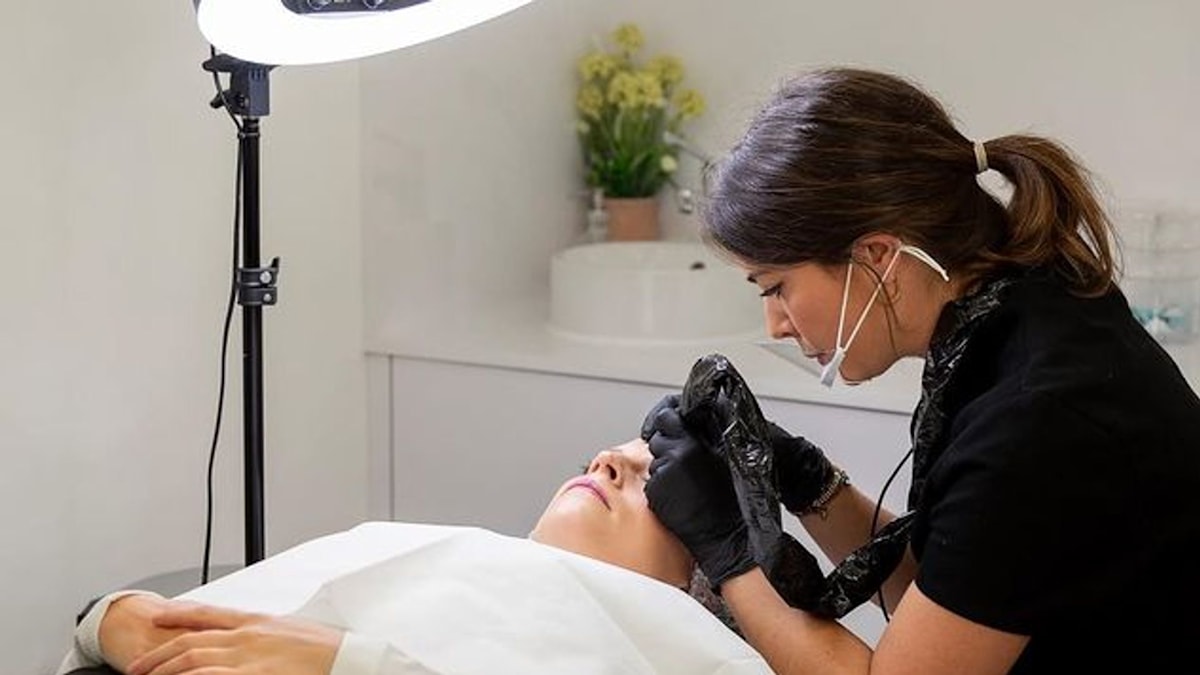
Semi-permanent makeup, often referred to as PMU, includes popular techniques such as microblading and micropigmentation. These methods involve using fine needles to deposit pigment into the skin, resulting in a refined appearance that can last for years. Among the most popular treatments are eyebrows, which can significantly enhance your facial features.
Understanding Eyebrow Retouching
If you’re new to the world of micropigmentation, you might be wondering about the long-term results. Alternatively, you may have already tried microblading and realized that your eyebrows need a refresh to maintain their perfection. We have gathered essential insights about the eyebrow retouching process from expert technicians in the field.
Skin Type and Retouch Frequency
One of the most common questions is, “How long will my brows last?” The answer depends on several factors, primarily your skin type and how it holds the pigment over time. Generally, dry skin retains pigment longer, around two to three years, while oily skin may require more frequent retouches, typically every one to two years. This is because excess sebum can cause the pigment to fade more quickly.
Customizing Your Eyebrow Color
If you decide to change your hair color and want your brows to match, it’s entirely possible to adjust the pigment during a retouch. This process requires a careful assessment of your skin tone and natural brow hair color to achieve a seamless result. Pigments can be modified to ensure a harmonious look that enhances your features.
The Impact of Retinol on PMU
Retinol, a popular skincare ingredient, can significantly affect the longevity of your micropigmentation. Retinol speeds up cell turnover, which can cause the pigment to fade prematurely. To protect your brows, it’s crucial to avoid applying retinol to the micropigmentation area. Keeping retinol away from your forehead and brow area can help extend the life of your treatment.
Laser Depigmentation: Is It Necessary?
While laser depigmentation is often recommended to clear out old residue before a fresh treatment, it’s not always mandatory. Laser is typically used to correct major irregularities, such as distorted shapes or stubborn, unnatural shades. Micropigmentation is not permanent, and if done correctly with high-quality pigments, it should fade naturally over time without needing additional help.
What to Expect During Removal
The number of laser sessions required depends on the intensity of the pigment, how long it has been since your treatment, and your skin’s response. A straightforward case usually requires two to four sessions, while more complex cases may need six or more. The Q-Switched laser, which emits rapid pulses to shatter pigment particles into tiny fragments that the body naturally clears away, is often used, leaving the surrounding skin safe.
Patience is Key
It’s crucial to wait four to six weeks between sessions to allow your skin to heal properly. The sensation during laser depigmentation is often described as “warm pricks,” which are very bearable. Many clients find the process surprisingly painless, with some reporting that they didn’t feel a thing during their depigmentation session.
For more information on micropigmentation and other beauty treatments, you can refer to authoritative sources such as Healthline’s guide on microblading.