Feeling Lost in Your 50s or 60s? Here’s How to Rediscover Your Purpose
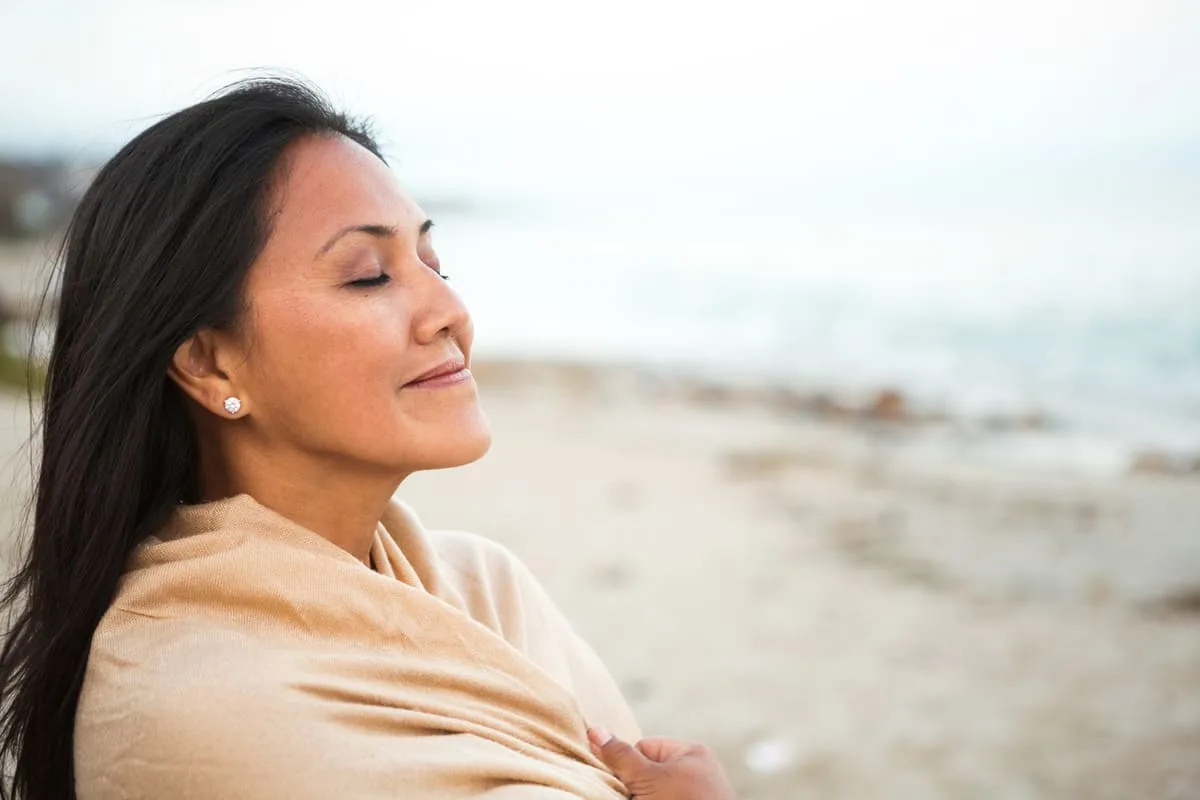
Why Your 50s and 60s Can Feel Like a Crossroads
Reaching your 50s and 60s often means navigating a whirlwind of life changes—kids leaving the nest, retirement from long-held careers, or even the loss of loved ones. If you’re feeling adrift, you’re not alone. This stage of life can bring a mix of nostalgia, uncertainty, and even grief for the person you once were. But it’s also an opportunity to redefine yourself, embrace new possibilities, and step into a future that excites you.
My Journey Through the Decades: The Search for Respect and Identity
I remember my 20s vividly. Back then, I was hungry to prove myself in the radio industry, but I often felt dismissed, overlooked, or even disrespected—whether at work, in restaurants, or while trying to resolve customer service issues. It seemed like the world only took you seriously once you’d earned your stripes. I told myself, When I’m in my 30s, people will finally see my worth. But as women, we know the truth: every decade brings its own set of challenges.
In my teens, I grappled with the overwhelming transition into womanhood. In my 20s and 30s, motherhood consumed me—my identity blurred as I poured everything into raising my children. I’d reassure myself that once they were older, I’d reclaim my goals. Then, almost in the blink of an eye, I was in my 40s, receiving AARP mailings and wondering: Did I ever really get that respect I craved?
What I’ve come to realize is that aging isn’t just about losing something—it’s about gaining perspective. The changes we face in our 50s and 60s are different from the ones we’ve weathered before. This time, it’s not just about adapting to new roles; it’s about redefining who we are at our core.
Tip #1: Give Yourself Permission to Grieve the Past
It’s easy to feel out of step when you see other women in their 50s and 60s thriving, embracing their age as a badge of honor. They’ll tell you age is a privilege, and they wouldn’t trade their wisdom for anything. But if you’re not there yet, that’s okay. It’s normal to mourn the version of yourself that no longer exists.
I’ve felt this deeply in recent years. For a decade, I shared my journey toward a healthier life—my weight loss, fitness milestones, and the confidence I rebuilt after having kids. Between 35 and 45, I connected with women of all ages, but as I’ve approached my 50s, I’ve noticed a shift. I no longer relate to younger women in the same way, and my struggles have evolved. I caught myself comparing my current self to who I was just a few years ago, and it hit me: I needed to acknowledge the loss of that former version of myself.
The emotions I felt were eerily similar to those I experienced after losing loved ones. That’s when I understood: grieving the loss of my youth, my purpose, and even my sense of self wasn’t just valid—it was necessary. Here’s how to navigate that grief:
- Reflect on your accomplishments. Take stock of what you’ve achieved—and what you haven’t. If there are dreams you haven’t fulfilled, it’s okay to feel disappointed. But remember: as long as you’re here, there’s still time. Life doesn’t always unfold the way we expect, and that’s part of the journey.
- Stop comparing yourself to others. Everyone’s path is different. Instead of measuring yourself against people in different stages of life, focus on creating your own rules for success. Be the best version of you—right now, in this moment.
- Honor your past self. Just like a loved one who’s passed, the person you used to be is still a part of you. Acknowledge that she’s still on your team, contributing to the woman you’re becoming today.
Tip #2: Embrace the Excitement of a New Chapter
Change is hard, even for those of us who love adventure. We might enjoy trying new things, but deep down, we crave the comfort of the familiar. When physical changes or life transitions force us into uncharted territory, it’s tempting to cling to the past rather than embrace the present. But the healthiest way forward is to lean into the aging process with intention and optimism.
Here’s how to find excitement in this new phase of life:
- Beat the average. Look around—most people are coasting through life, doing the bare minimum in their careers, health, and personal growth. Don’t be one of them. Ramp up your fitness routine, dive into new books, and seek out fresh adventures. This is your time to shine.
- Focus on looking amazing for your age. Instead of chasing an impossible standard of youth, shift your mindset. Looking great “for your age” is the ultimate anti-aging strategy. Strength training, an anti-inflammatory diet, and updating your style can work wonders.
- Become a mentor. Shift your perspective from “What can the world do for me?” to “How can I share my wisdom with others?” Your experience is invaluable. Mentoring others not only benefits them but also reinforces your own sense of purpose and confidence.
Tip #3: Remember, You’re Always Becoming
Think about it: you’ve successfully navigated every decade of your life so far. Each transition has shaped you, and each version of yourself has been a stepping stone to the next. This isn’t new territory—you’re more than capable of handling the woman you are today and the woman you’re still becoming.
Life is never static. The challenges of aging are inevitable, but so is the beauty of growth. Instead of fixating on what’s changing, redirect your energy toward the incredible person you’re evolving into. The best is yet to come.
For more inspiration, check out Dawna Stafford Wilson’s work. She’s a writer, media producer, live performance musician, and fitness motivator based in Coeur d’Alene, Idaho. Her journey is a testament to the power of reinvention at any age.
For authoritative insights on aging and wellness, consider exploring resources from the National Institute on Aging.