The Ultimate Nutrition Guide for Women Over 50: Eat Smart, Feel Strong

Why Nutrition Changes After 50—and How to Adapt
Your body evolves with time, and so should your plate. After 50, women face unique nutritional needs due to hormonal shifts, slower metabolism, and increased risks of chronic conditions like osteoporosis, heart disease, and inflammation. The key? Prioritizing nutrient-dense foods that pack a punch without the empty calories. This isn’t about cutting out joy—it’s about fueling your body with the right ingredients to stay vibrant, energized, and resilient.
Anti-Inflammatory Foods: Your First Line of Defense
Inflammation is a silent culprit behind many age-related health issues. The good news? Your diet can fight back. Focus on foods rich in antioxidants, omega-3s, and fiber to keep inflammation in check and support long-term wellness. Think of it as a daily investment in your future self.
The Best Fruits and Vegetables for Women Over 50
Fruits and vegetables are the cornerstone of a healthy diet at any age, but after 50, they become even more critical. These powerhouses deliver vitamins, minerals, and fiber to support digestion, immunity, and disease prevention. Aim for a rainbow of colors to ensure you’re getting a broad spectrum of nutrients.
Top Picks for Your Plate
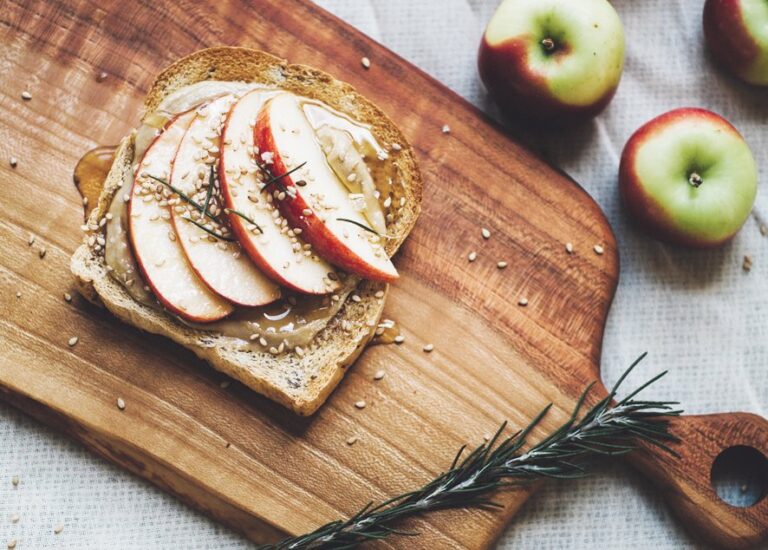
- Apples: Loaded with antioxidants, fiber, and vitamin C, apples help combat chronic diseases like diabetes and heart disease. The pectin in apples also works to lower bad cholesterol, keeping your heart in top shape.
- Sweet Potatoes: A nutritional goldmine, sweet potatoes are rich in vitamins A and C, potassium, and iron. Their high fiber content aids digestion and offers extra protection against heart disease.
- Kale: This leafy green is a superstar for women over 50. Packed with iron and calcium, it helps prevent osteoporosis and anemia. Kale is also high in vitamin K, which strengthens bones and reduces inflammation. Plus, its lutein content supports eye health, a growing concern as we age.
- Berries: Low in calories but high in antioxidants and vitamins, berries are the perfect snack for satisfying sweet cravings while boosting your health.
- Avocados: A creamy, delicious source of healthy fats, avocados keep your skin glowing and provide essential nutrients like vitamin E, B vitamins, and potassium.
Whole Grains: The Unsung Heroes of Your Diet
Whole grains are a game-changer for women over 50. Unlike refined grains, they retain all parts of the grain seed—bran, endosperm, and germ—delivering fiber, vitamins, and minerals that refined grains lack. The fiber in whole grains slows digestion, stabilizes blood sugar, and keeps you feeling full longer, which is especially helpful for managing weight and energy levels.
Whole Grains to Add to Your Grocery List
- Whole Wheat Bread and Pasta: These staples are packed with fiber, B vitamins, and protein. They aid digestion, lower cholesterol, and provide sustained energy to power you through the day.
- Oats: A breakfast favorite, oats are rich in fiber and contain compounds that may help reduce cholesterol levels.
- Brown Rice: High in fiber and selenium, brown rice supports cell function and overall health.
- Barley: This grain contains beta-glucan, a type of soluble fiber that helps lower cholesterol and provides long-lasting energy.
- Quinoa: Often called a “complete protein,” quinoa is loaded with fiber, magnesium, iron, zinc, and B vitamins. It’s an excellent choice for vegetarians and vegans looking to boost their protein intake.
Protein: The Building Block of Strength and Vitality
Protein is non-negotiable for women over 50. It helps maintain muscle mass, supports immune function, and keeps your energy levels steady. After menopause, women’s iron stores often decrease, making iron-rich protein sources even more important. Opt for lean proteins to avoid the saturated fats found in red meat, which can contribute to inflammation over time.
Best Protein Sources for Women Over 50
- Eggs: A single large egg packs 6 grams of protein and is rich in essential nutrients like vitamin D, zinc, selenium, choline, and biotin. Eggs also contain antioxidants that reduce inflammation and support heart health.
- Fish: Fish is one of the best lean protein sources available. It’s loaded with omega-3 fatty acids, which promote heart health and reduce inflammation. Salmon and tuna are also high in vitamin B12, which supports a healthy nervous system.
- Nuts and Seeds: These are a fantastic source of protein and healthy fats. They’re packed with essential fatty acids that help protect against chronic diseases like heart disease and stroke.
- Beans and Legumes: A powerhouse of nutrition, beans and legumes provide protein, fiber, iron, magnesium, potassium, zinc, and B vitamins. They help balance blood sugar and lower cholesterol, making them a must-have in your diet.
Making Mindful Choices for a Balanced Diet
Eating well after 50 isn’t about restriction—it’s about making smart, intentional choices. Focus on filling your plate with nutrient-dense whole foods like fruits, vegetables, lean proteins, and whole grains. These foods provide the nourishment your body needs without leaving you feeling deprived. By understanding the principles of nutrition over 50, you can create a diet that supports your health, energy, and longevity.
For more insights on healthy eating, check out this authoritative resource on nutrition.