How My Midlife Crisis Became My Greatest Comeback Story
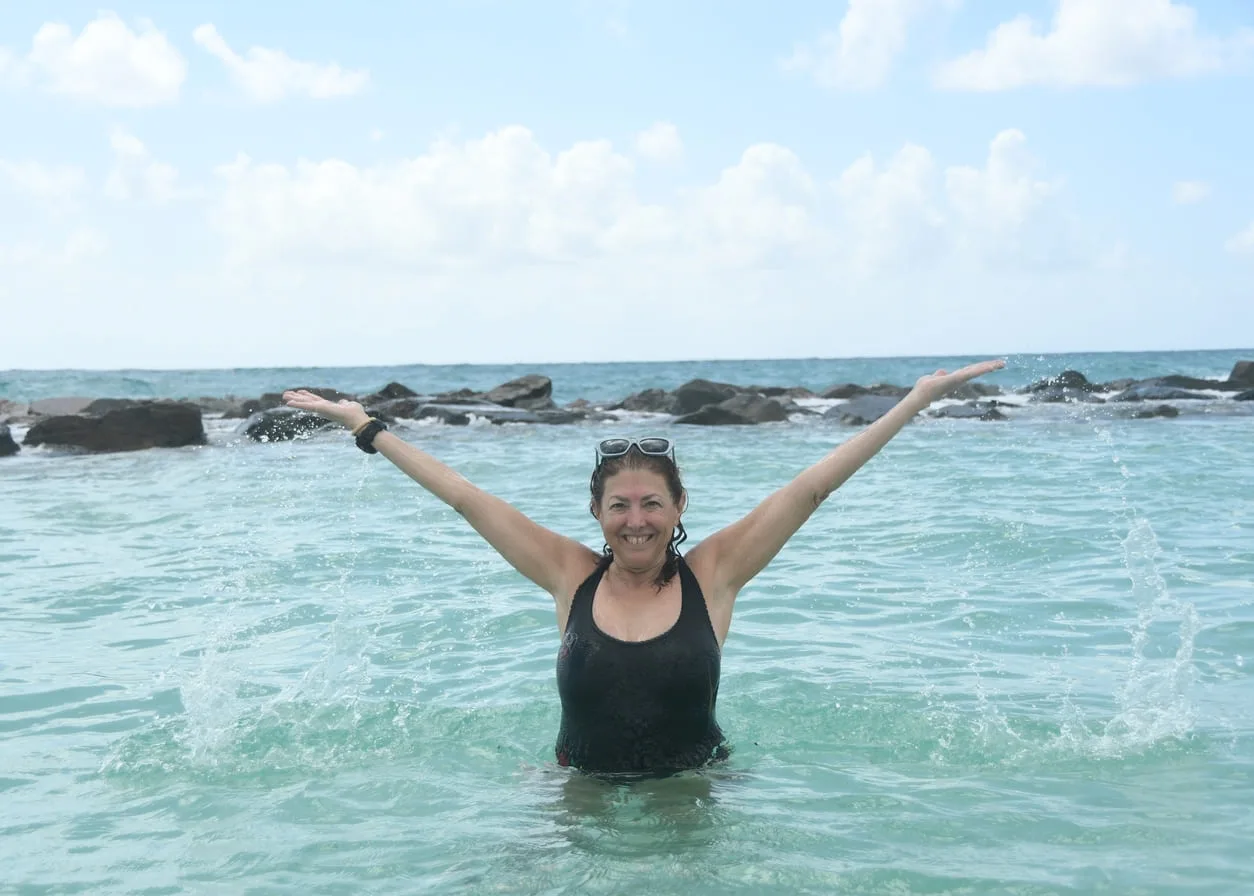
Why Turning 50 Gave Me the Courage to Finally Live for Myself
There’s something almost magical about hitting 50. Suddenly, you stop caring as much about what others think. You realize you’ve spent decades putting everyone else first—your kids, your career, your aging parents—and now, for the first time in forever, you have the freedom to ask: What do I want?
That’s exactly where I found myself at 48. After years of building a business, raising children, and supporting my family, I looked in the mirror and thought, It’s my turn. So I did something radical: I joined a gym. Then I started running. And when that felt too easy, I signed up for a triathlon—something I’d never even watched before. The idea of swimming, biking, and running in one event terrified me. But that’s precisely why I had to do it.
Crossing that first finish line was one of the most exhilarating moments of my life. I’d stepped so far outside my comfort zone that I barely recognized myself. And guess what? Ten years later, I’m still at it. Turns out, my so-called midlife crisis wasn’t a crisis at all—it was an awakening.
If you’ve ever dreamed of trying a triathlon—whether it’s a short sprint or a full Olympic distance—let me tell you: You absolutely can. Age is just a number on your race bib. Here’s how to dive in (pun intended) and make it happen.
Triathlon Distances: There’s a Race for Every Fitness Level
One of the biggest myths about triathlons is that they’re all grueling Ironman events. The truth? The sport is incredibly accessible, with a range of distances to match your current fitness level. Here’s a quick breakdown to help you pick your first challenge:
Super Sprint
The perfect entry point for absolute beginners. This distance typically includes:
- A 400-meter swim
- A 10K (6.2-mile) bike ride
- A 2.5K (1.5-mile) run
It’s short enough to feel manageable but long enough to give you that I did it! rush.
Sprint
The most popular distance for new triathletes. Expect:
- A 750-meter swim
- A 20K (12.4-mile) bike ride
- A 5K (3.1-mile) run
Olympic (Standard)
Double the Sprint distance, this is a step up for those ready for a bigger challenge:
- A 1.5K swim
- A 40K (24.8-mile) bike ride
- A 10K (6.2-mile) run
Half Ironman (70.3)
For those craving a serious endurance test, this covers 70.3 total miles:
- A 1.9K swim
- A 90K bike ride
- A 21.1K (half-marathon) run
Ironman (140.6)
The ultimate endurance challenge. This one’s not for the faint of heart:
- A 3.8K swim
- A 180K bike ride
- A 42.2K (full marathon) run
Triathlon Training Tips for Women Over 50
Training in your 50s and 60s isn’t the same as training in your 20s—and that’s a good thing. We bring wisdom, patience, and resilience to the table that younger athletes often lack. But we also need to respect our bodies’ changing needs. Here’s how to train smart and stay injury-free.
1. Recovery Is Your Fourth Discipline
In triathlon, there are three core disciplines: swim, bike, and run. But for women over 50, rest is the fourth—and most critical—discipline. Our bodies take longer to repair muscle tissue and replenish energy stores, so recovery isn’t optional; it’s essential.
- Never skip rest days. Your body needs time to heal and adapt.
- Prioritize sleep. Aim for 7-9 hours a night. Think of it as part of your training.
- Listen to your body. If you’re exhausted, swap a tough workout for a gentle yoga session or a walk. Overtraining leads to injury, and at our age, injuries can take much longer to heal.
2. Strength Training Is Non-Negotiable
As we age, we naturally lose muscle mass and bone density. Strength training helps combat this directly. You don’t need to become a bodybuilder, but incorporating resistance training at least twice a week will:
- Protect your joints from the impact of running
- Give you more power on the bike
- Improve your overall stability and endurance
Focus on your core, glutes, and hips—these are the powerhouses for all three disciplines. If you’re new to strength training, start with simple bodyweight exercises or follow along with a beginner-friendly app. (I’m a fan of Dynamic Triathlete for its 20-minute, no-fuss workouts.)
3. Get a Professional Gear Fit
Comfort is key, especially as our bodies change. If your bike doesn’t fit properly, you’ll pay for it in your back, knees, or hips. Visit a local bike shop for a professional fitting. The same goes for running shoes—get fitted for a pair that supports your gait and foot shape.
And here’s the good news: You don’t need to spend a fortune on gear to get started. Borrow a bike, buy a used one, or rent one for your first race. Just make sure it’s properly fitted to your body. Investing in the right gear isn’t about vanity; it’s about injury prevention.
4. Listen to Your Body, Not the Schedule
If your training plan says to run 5 miles but your knees are screaming, listen to your knees. Swap the run for a swim or a bike ride—both are low-impact alternatives that still build endurance. The goal isn’t to check every box on a piece of paper; it’s to show up at the start line healthy and ready to race.
5. Find Your Tribe
Triathlon can feel lonely if you go it alone. Seek out local triathlon clubs, women’s running groups, or online communities. Surrounding yourself with supportive women who are also navigating midlife, menopause, and aging parents can make even the toughest training days feel manageable.
I found my tribe in a Sunday running group. We laugh, we vent, and we push each other to keep going. Triathletes are some of the most inclusive people you’ll meet—you’ll find your people.
Your Midlife Crisis Might Be Your Best Chapter Yet
Starting a new sport in midlife isn’t just about fitness—it’s an act of rebellion. It’s a declaration that you refuse to slow down, that you’re not done growing, and that you deserve to chase your own dreams. So sign up for that Super Sprint. Buy the goggles. Dust off that old bike. You might just discover that your midlife crisis isn’t a crisis at all—it’s the beginning of the most exciting chapter of your life.
See you at the finish line.
—Hilary JM Topper, MPA, is the author of Unlocking the Triathlon: The Beginner’s Guide to Competing in a Triathlon, published by Meyer & Meyer Sport. She is also a certified USA Triathlon Coach, USMS Swim Coach, and RRCA Run Coach. Follow her journey on Instagram.