Bacterial Vaginosis After 50: The No-Nonsense Guide to Symptoms, Treatment & Prevention
Bacterial Vaginosis After 50: Let’s Talk About It (Without the Embarrassment)
Remember when no one talked about menopause, and we all just suffered through night sweats and mood swings in silence? Well, those days are over—and the same goes for bacterial vaginosis (BV). This incredibly common infection doesn’t deserve the hush-hush treatment. In fact, it’s the most frequent vaginal infection in women of reproductive age and beyond. So, let’s pull back the curtain and get real about BV, especially for women over 50.
What Is Bacterial Vaginosis, Anyway?
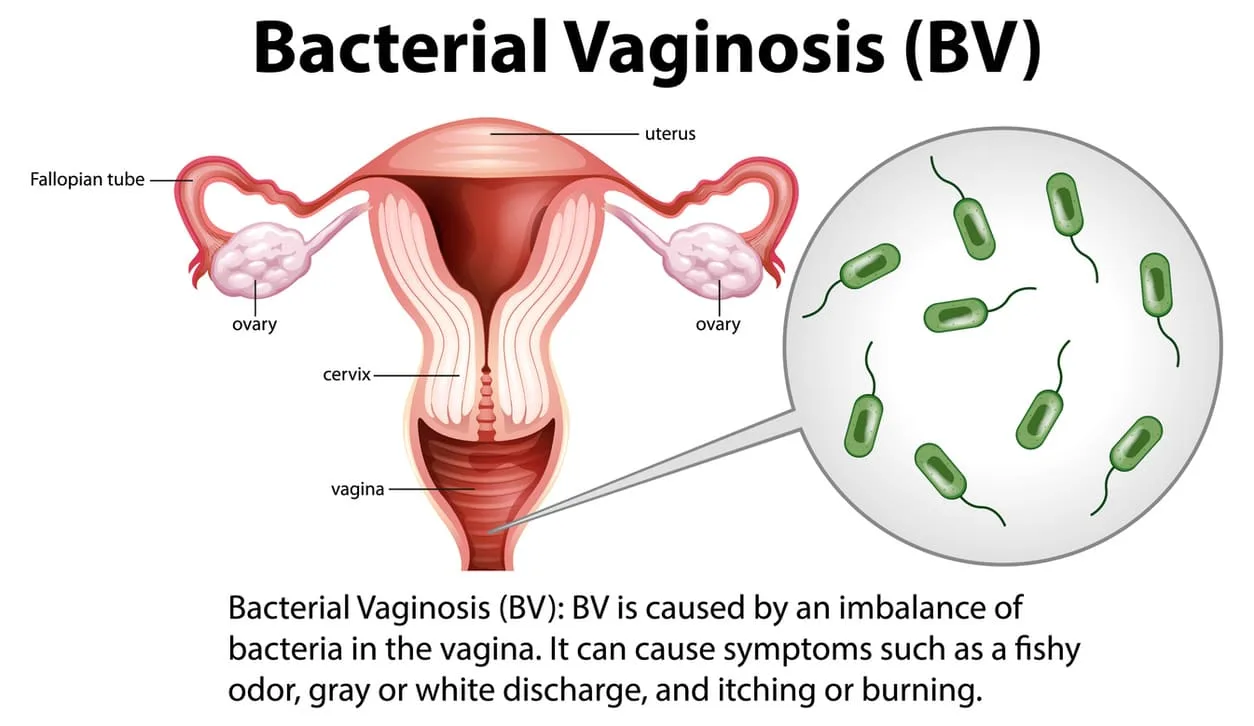
Think of your vagina as a finely tuned ecosystem, like a high-tech terrarium but way more important. Normally, good bacteria called lactobacilli keep everything in balance, acting like a 24/7 security team. They maintain the right pH level and keep harmful bacteria in check. But when that balance gets disrupted—thanks to hormonal changes, antibiotics, new sexual partners, or even no obvious reason at all—the bad bacteria throw a party and take over. That’s BV in a nutshell: too many gatecrashers, not enough bouncers.
For women over 50, this balance becomes even harder to maintain. Menopause brings declining estrogen levels, which means less glycogen (the food good bacteria need to thrive). This leads to a higher pH, which, you guessed it, increases the risk of BV. It’s a domino effect, but one that directly impacts your most intimate health.
The Telltale Signs: How to Recognize BV
The Infamous Discharge
Let’s tackle the elephant in the room: that grayish-white, thin, watery discharge with a fishy odor. Yes, it’s uncomfortable to talk about. Yes, it’s even more uncomfortable to experience. But here’s the thing—knowledge is power. Unlike a yeast infection, which often comes with a cottage cheese-like texture, BV discharge is usually thin and watery. The odor tends to get stronger after sex or during your period. If you’re postmenopausal, you might notice the smell intensifies after sexual activity or even a workout.
The Sneaky (or Nonexistent) Symptoms
Here’s where BV gets tricky: it doesn’t always announce itself with obvious symptoms. Unlike a yeast infection, which can cause relentless itching, BV might only cause mild irritation or discomfort. Some women don’t experience any symptoms at all and only discover they have BV during a routine pelvic exam. This is exactly why those annual check-ups aren’t optional—they’re essential.
That Burning Feeling
If you notice burning during urination, your first thought might be a urinary tract infection (UTI). But BV can cause similar discomfort. The key difference? UTIs usually come with urgency and frequency, while BV typically doesn’t. Either way, don’t play doctor with yourself—get it checked out by a professional.
Getting Diagnosed: Leave the Googling to the Experts
We’ve all been there—Googling symptoms at 2 AM and convincing ourselves we have everything from a minor infection to a life-threatening condition. But when it comes to BV, you need a real diagnosis from a real healthcare provider. Here’s what to expect during your visit:
- Pelvic Exam: Yes, that one. Your doctor will examine your vaginal area for signs of infection.
- pH Test: A small strip is used to test your vaginal pH. If it’s above 4.5, that’s a red flag for BV.
- Whiff Test: Sounds like a wine tasting, but it’s actually a test where a potassium hydroxide solution is added to a sample of your discharge. If it produces a fishy odor, BV is likely the culprit.
- Microscopic Examination: Your doctor will look for “clue cells”—vaginal cells covered in bacteria that look like, well, clues. It’s like a detective story, but the mystery is your vaginal health.
Treatment: Restoring Your Vaginal Ecosystem
Antibiotics: The First Line of Defense
The good news? BV is highly treatable with antibiotics. Metronidazole (available in pill or gel form) and clindamycin are the most common prescriptions. The not-so-good news? BV has a frustrating tendency to return—about 50% of women experience a recurrence within a year. Think of it as an ongoing relationship with your vaginal health, not a one-time fix.
A word of caution: If you’re prescribed metronidazole, avoid alcohol like it’s your ex at a party. The combination can cause severe nausea, vomiting, and cramping. Not exactly the happy hour vibes you were going for.
The Probiotic Advantage
Probiotics aren’t just a wellness trend—they can actually help maintain healthy vaginal flora. Look for supplements containing Lactobacillus rhamnosus and Lactobacillus reuteri, which have shown promise in preventing BV recurrence. Some women swear by eating yogurt with live cultures daily, though you’ll need more than your standard grocery store variety to make a real difference.
There are also vaginal probiotic suppositories designed to deliver good bacteria right where you need them. It might sound unconventional, but so is putting cucumbers on your eyes—and we all do that without question.
Lifestyle Adjustments That Actually Work
Let’s separate fact from fiction. Despite what your grandmother might have told you, your vagina is self-cleaning. It doesn’t need special soaps, douches, or “feminine freshness” products. In fact, these products often do more harm than good, disrupting your natural pH and killing off beneficial bacteria.
Stick to gentle, unscented soap on the external area only. Think of your vagina as a self-cleaning oven—interfere at your own risk. And those lacy synthetic underwear? Save them for special occasions. Cotton, breathable underwear is your vagina’s best friend, especially as you age.
Prevention: Because an Ounce of Prevention Is Worth a Pound of Antibiotics
Rethink Your Sexual Health Practices
Yes, even at 50, 60, 70, and beyond, safe sex matters. Condoms don’t just prevent sexually transmitted infections (STIs)—they can also help maintain your vaginal pH balance by preventing exposure to semen, which is alkaline and can temporarily disrupt your vaginal environment. Plus, a new sexual partner introduces new bacteria, which can trigger BV even if neither of you has an infection.
Ditch the Douche
We can’t stress this enough: douching is not your friend. It’s like using a fire hose to water delicate orchids. Your vagina maintains its own pH balance beautifully when left alone. Douching strips away good bacteria, increases pH, and creates the perfect environment for BV to thrive.
Support Your Immune System
Your immune system plays a key role in keeping BV at bay. Focus on a balanced diet rich in fruits, vegetables, and whole grains. Stay hydrated, get enough sleep, and manage stress levels. A strong immune system is your first line of defense against infections, including BV.
For more information on vaginal health, you can refer to the Centers for Disease Control and Prevention (CDC).