Strong Bones for Life: The Best Foods to Eat Now to Prevent Fractures Later
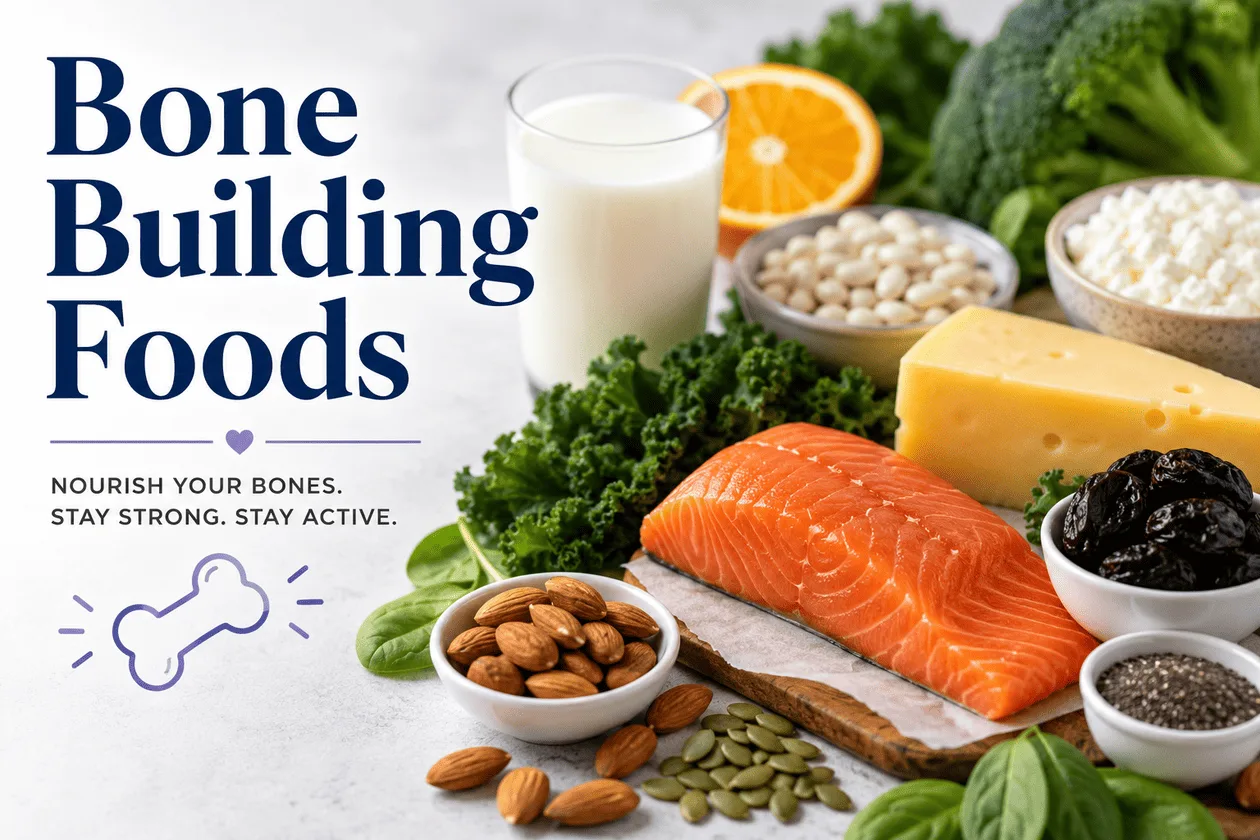
Why Your Bones Need Attention After 50
There’s a moment when your body starts sending subtle signals that it’s not as young as it used to be. Maybe your knees creak when you stand up after gardening, or your back protests after a simple sneeze. Aging has a way of making its presence known—often in the most inconvenient ways.
One thing many women overlook until it’s too late is bone health. Unlike a sprained ankle or a pulled muscle, bone loss happens silently. Your bones don’t send you a text saying, “Hey, we’re getting weaker over here.” Instead, they gradually lose density, often due to hormonal changes, until a minor stumble turns into a serious fracture.
The good news? While no single food can reverse decades of bone loss overnight, the right nutrition can help maintain bone density, slow down bone loss, and give your skeleton the tools it needs to stay strong. And the best part? These aren’t obscure superfoods or expensive supplements—just everyday groceries you can find at your local store.
Why Bone Health Changes After Menopause
Women experience accelerated bone loss after menopause because estrogen, a hormone that plays a key role in protecting bone density, declines sharply. Without enough estrogen, bone breakdown starts to outpace bone rebuilding. In fact, women can lose up to 20% of their bone density in the five to seven years following menopause. This is why osteoporosis affects women far more often than men.
But the goal isn’t just to avoid osteoporosis. Strong bones help you stay active, maintain balance, recover from injuries more easily, and keep doing the things you love—whether that’s traveling, playing with grandkids, hiking, or carrying an armful of shopping bags because, let’s be honest, making two trips is overrated.
The Essential Nutrients for Strong Bones
Calcium: The Foundation of Bone Strength
Calcium is the primary mineral that gives bones their strength and rigidity. Adults over 50 need about 1,200 milligrams of calcium daily, yet many women fall short. While supplements can help, food is usually the better choice because it provides additional nutrients like protein and vitamins that work together to support bone health.
Some of the best calcium-rich foods include:
- Plain Greek yogurt
- Cottage cheese
- Milk
- Cheese
- Sardines (with bones)
- Canned salmon (with bones)
- Calcium-fortified plant milks
- Calcium-set tofu
- Fortified orange juice
Vitamin D: The Key to Calcium Absorption
Here’s the catch: calcium doesn’t do much if your body can’t absorb it. That’s where vitamin D comes in. Think of it as the key that unlocks calcium’s potential. Unfortunately, many women over 50 have low vitamin D levels because our skin becomes less efficient at producing it from sunlight as we age.
Good food sources of vitamin D include:
- Salmon
- Trout
- Tuna
- Egg yolks
- Fortified milk
- Fortified cereals
- UV-exposed mushrooms
Since it’s difficult to meet vitamin D needs through food alone, your doctor may recommend a supplement after checking your blood levels. The National Institutes of Health provides guidelines on vitamin D intake for bone health.
Protein: More Than Just Muscle Fuel
For years, protein has been celebrated for its role in muscle health, but your bones need it too. Bones aren’t just made of minerals—they’re built on a collagen framework made from protein. Without enough protein, your body can’t properly maintain bone tissue. Aim to include protein with every meal.
Excellent protein sources for bone health include:
- Chicken
- Turkey
- Fish
- Eggs
- Greek yogurt
- Beans
- Lentils
- Edamame
- Lean beef
- Cottage cheese
Bonus: Protein also helps preserve muscle mass, which improves balance and reduces your risk of falling—a major cause of fractures in older adults.
Magnesium: The Unsung Hero
Magnesium doesn’t get nearly enough credit. It helps activate vitamin D, supports bone formation, and plays a role in hundreds of chemical reactions throughout the body. Yet, many people don’t get enough of it.
Foods rich in magnesium include:
- Pumpkin seeds
- Almonds
- Cashews
- Spinach
- Swiss chard
- Black beans
- Avocados
- Dark chocolate
Vitamin K: The Director of Calcium
Vitamin K helps activate proteins that bind calcium into your bones, ensuring it ends up where it’s needed most. Leafy greens are one of the best sources of this essential nutrient.
Fill your plate with:
- Kale
- Spinach
- Collard greens
- Broccoli
- Brussels sprouts
- Cabbage
Note: If you’re taking blood-thinning medication like warfarin, consult your doctor before significantly increasing your vitamin K intake, as it can affect how these medications work.
Potassium: The Bone Protector
A diet rich in fruits and vegetables helps reduce the acid load on the body, which may help preserve calcium in bones. Potassium plays a key role in this process.
Some excellent potassium-rich choices include:
- Sweet potatoes
- White potatoes
- Bananas
- Oranges
- Tomatoes
- Beans
- Yogurt
- Avocados
Omega-3 Fats: The Anti-Inflammatory Powerhouse
Research suggests that omega-3 fatty acids may help reduce inflammation, which contributes to bone loss. These healthy fats are also great for heart and brain health, making them a nutritional multitasker.
You’ll find omega-3s in:
- Salmon
- Mackerel
- Sardines
- Walnuts
- Chia seeds
- Flaxseed
Prunes: The Surprising Bone Booster
This might be the most unexpected item on the list. Several studies have found that eating five to six prunes daily may help slow bone loss in postmenopausal women. Researchers believe the combination of antioxidants, vitamin K, boron, and fiber in prunes may help preserve bone density.
No, you don’t have to carry them in your purse like your grandmother (unless you want to). Just toss a few into oatmeal, yogurt, or a smoothie for an easy, bone-friendly snack.
Foods That Can Weaken Your Bones
Building strong bones isn’t just about what you add to your diet—it’s also about what you limit. Too much of these can work against your bone health:
- Excess Sodium: Very high sodium intake can increase calcium loss through urine. Try flavoring foods with herbs, garlic, citrus, and spices instead of relying on the salt shaker.
- Too Much Alcohol: An occasional glass of wine isn’t a problem, but heavy alcohol use interferes with bone remodeling and increases fall risk.
- Excessive Soft Drinks: Some research suggests that regularly replacing milk or nutrient-rich beverages with sugary soft drinks may negatively affect bone health. Stick to water, herbal tea, or other hydrating options.
- Smoking: Smoking damages bone-forming cells and dramatically increases fracture risk. If you’ve been looking for another reason to quit, here’s one more.
Bone-Building Meal Ideas
Sometimes, knowing what to eat is easier when you can picture an actual meal. Here are a few simple, bone-friendly ideas to get you started:
Breakfast
- Greek yogurt topped with berries, chopped almonds, chia seeds, and a few sliced prunes.
- Scrambled eggs with spinach, tomatoes, and a side of whole-grain toast.
- Oatmeal with fortified plant milk, walnuts, and a sprinkle of cinnamon.
Lunch
- Spinach salad with grilled salmon, avocado, tomatoes, pumpkin seeds, and a citrus vinaigrette.
- Quinoa bowl with black beans, roasted sweet potatoes, broccoli, and a drizzle of olive oil.
- Tuna salad wrap with whole-grain tortilla, leafy greens, and a side of cottage cheese.
Snack
- Cottage cheese with fresh peaches or an apple with almond butter.
- A handful of almonds and dark chocolate.
- Hummus with carrot and cucumber sticks.
Dinner
- Roasted chicken, baked sweet potato, steamed broccoli, and a side of black beans.
- Baked salmon with quinoa, sautéed kale, and a side of avocado.
- Stir-fried tofu with edamame, bell peppers, and brown rice.
Final Thoughts
Strong bones are the foundation of an active, independent life. While aging is inevitable, bone loss doesn’t have to be. By focusing on nutrient-rich foods like calcium, vitamin D, protein, magnesium, and vitamin K, you can give your bones the support they need to stay strong for years to come.
Start small—add a few bone-building foods to your meals this week, and build from there. Your future self will thank you.