The Vital Role of Honey Bees in Our Ecosystems
The Vital Role of Honey Bees in Our Ecosystems
Honey bees are not just tiny, buzzing insects; they are crucial players in our ecosystems, vital to our food supply, and fascinating creatures with complex societies. Let’s delve into why these small beings are so significant and how we can support their survival.
The Symbiotic Relationship Between Bees and Plants
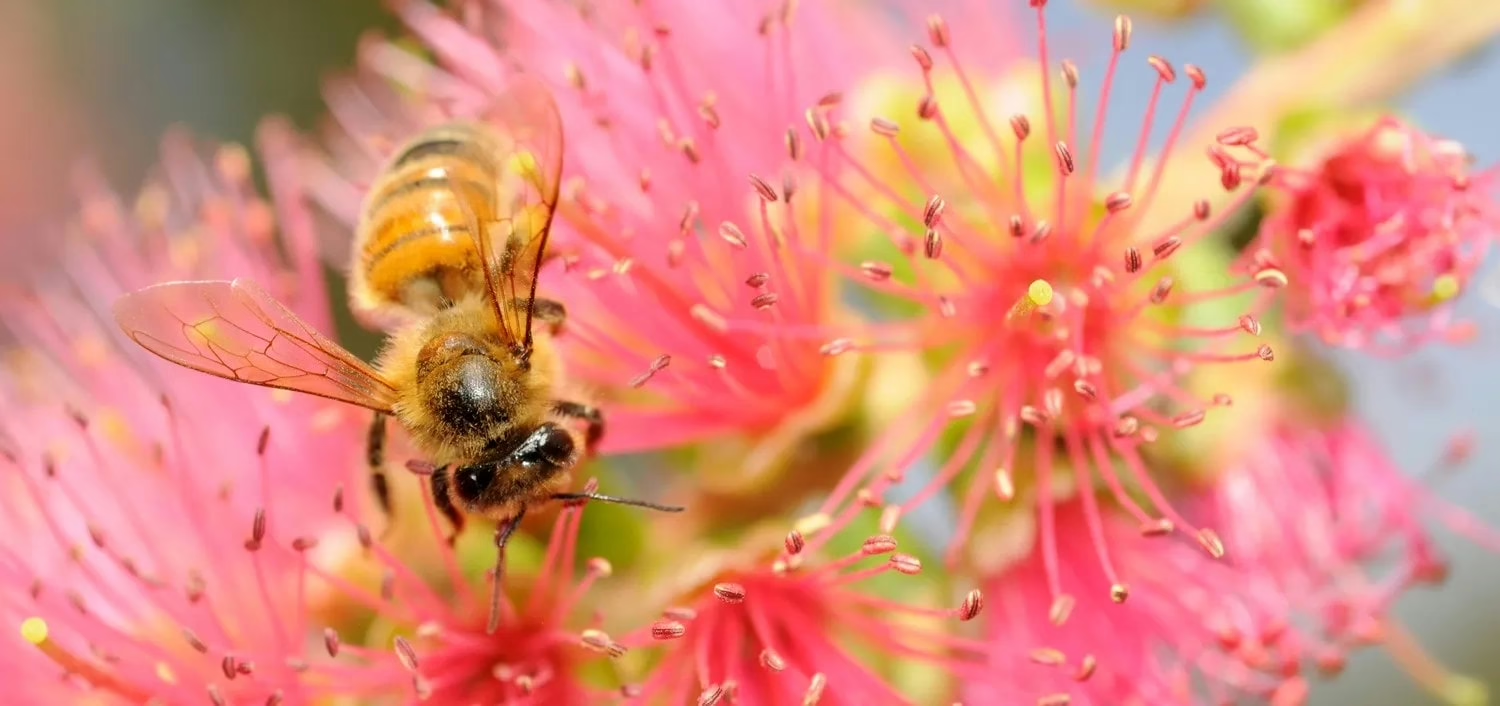
Bees and plants have shared a symbiotic relationship for over 100 million years. Worker bees collect pollen and nectar from flowers, and in the process, pollen grains stick to their bodies. As they move from flower to flower, they transfer pollen, enabling plants to produce fruits and seeds. This process is essential for the survival of many plant species and for our food supply. Approximately 75% of crop species rely on animal pollination, primarily by bees. Without bees, the yield from fruit, nut, and seed crops would drop by a staggering 90%.
The History of Bees in New Zealand
Although honey bees (Apis mellifera) are not native to New Zealand, they have become an integral part of the country’s ecosystem and culture. Bees were first introduced to New Zealand in 1839, and by the late 1920s, there were over 100,000 hives. Today, there are more than 800,000 registered beehives, tended by around 9,500 beekeepers. The beekeeping industry is worth an estimated $5 billion annually, not only for honey production but also for the crucial role bees play in pollinating crops for the horticulture and agricultural sectors.
The Threats to Bee Populations
Despite their importance, bee populations face numerous threats. Colony Collapse Disorder (CCD), a phenomenon where bees abandon their hives, has caused significant losses in bee populations worldwide. While CCD has not yet been observed in New Zealand, beekeepers must remain vigilant against other threats such as:
- Varroa Mites: These blood-sucking parasites can destroy entire hives if left untreated. They affect up to 70% of New Zealand hives in autumn.
- American Foulbrood (AFB): A bacterial disease that can devastate bee colonies. If a hive is infected, it must be destroyed to prevent the spread of the disease.
- Pesticides and Herbicides: While not a major cause of colony loss in New Zealand, these chemicals can still pose a threat to bee populations.
Supporting Bee Populations
There are several ways we can support bee populations and ensure their survival:
- Plant Bee-Friendly Gardens: Plant a variety of flowers that bloom at different times of the year to provide bees with a continuous food supply.
- Minimize Pesticide Use: Reduce or eliminate the use of pesticides and herbicides in your garden to protect bees from harmful chemicals.
- Support Local Beekeepers: Buy local honey and beeswax products to support beekeepers in your community.
- Educate Others: Share information about the importance of bees and how to support their populations with friends, family, and your community.
For more information on how to support bees, visit Apiculture New Zealand, the industry body for all things bee-related.
In conclusion, honey bees play a vital role in our ecosystems, food supply, and culture. By understanding the threats they face and taking steps to support their populations, we can help ensure the survival of these incredible creatures for generations to come.