Deceptive Delights: Unmasking the Unhealthy Foods We Think Are Healthy

Deceptive Delights: Unmasking the Unhealthy Foods We Think Are Healthy
Nutritional science is a rapidly evolving field, with new studies emerging faster than most of us can keep up. These studies often reveal surprising truths about the foods we consume and consider healthy. For those of us who aren’t professional dietitians, it can be challenging to discern which foods are truly beneficial and which might be silently sabotaging our health. Fortunately, there are excellent resources and research available to help us make informed food choices.
Fat-Free Products: Not Always the Healthier Choice
According to research from Tufts University, people who consume full-fat dairy products have a 46% lower risk of developing diabetes compared to those who opt for fat-free versions. Another study analyzing mortality rates and cardiovascular diseases across 18 countries found that carbohydrate consumption is linked to a higher risk of overall mortality, while fat intake is associated with reduced mortality rates.
Fat-free products often lose their flavor and pleasant taste when fat is removed. To compensate, manufacturers add other ingredients such as sugar, flour, thickeners, and salt. Interestingly, studies have shown that high-fat foods tend to be more satiating and can lead to greater weight loss.
The Truth About 100% Fruit Juice
Over the past decade, fresh juice has been hailed as a health elixir, boosting the demand for juicers. However, experts argue that juice is no healthier than sugar-sweetened water. How can this be, given that fruits themselves are very nutritious?
Experts explain that when the skin, connecting membranes, and seeds are removed during juicing, the fiber that slows the absorption of natural sugars is lost. This leads to insulin spikes, which can eventually result in diabetes. Moreover, juice can be high in calories but doesn’t fill the stomach, so the brain doesn’t receive the signal that you’re full. This can lead to overeating and weight gain.
To enjoy juice healthily, consider adding vegetables to limit calories and sugar. Alternatively, make a smoothie with protein or almond milk and finely chopped fruits and vegetables to retain the fiber lost during juicing.
Microwave Popcorn: A Hidden Danger
Popcorn is a wonderful low-calorie fiber source, but only if it’s not prepared in the microwave. In May 2015, a group of ecologists published an essay expressing concern about highly toxic chemicals with long decomposition periods. These chemicals are used to make waterproof and greaseproof packaging, such as those used for microwave popcorn. Environmental activists suggest preparing popcorn the traditional way: on the stove.
The Soy Protein Debate
The health benefits of soy have been debated for several years. While plant protein is beneficial, the wide variety of soy products available can also have adverse effects. Processed soy protein isolate is a popular way to improve the texture of many ready-made products, leading people to consume large amounts of soy unknowingly. Soy products are high in phytic acid, which affects mineral absorption.
Diet Soda: A Wolf in Sheep’s Clothing
For some, weight loss attempts include switching to diet soda. Unfortunately, this isn’t the best idea: according to research from Yale University, artificial sweeteners can cause obesity and harm the body. Researchers have even found a link between diet drink consumption and waist circumference, hypertension, diabetes, and cardiovascular diseases.
Nutrition Bars: Convenient but Not Always Healthy
For those constantly on the go, nutrition bars are great sources of calories. However, some are packed with saturated fats and sugars, nearly as much as regular candy. It’s important not to let snacks replace a significant portion of your diet, as they don’t provide a full range of vitamins and nutrients. The issue is that artificial sweeteners don’t activate the brain processes that help you feel satisfied after consuming something sweet. This leads to increased appetite and sugar cravings. It’s much better to rely on natural sweeteners like honey and maple syrup.
Sports Drinks: Not for the Average Consumer
Brightly colored bottles not only fail to live up to their marketing promises but can also cause significant harm to health. According to research from the University of California, they contain sugar and various nutrients, but the side effects of these additives often outweigh any potential benefits. Sports drinks are designed for athletes who exercise for more than an hour daily. However, most people who drink them don’t even exercise but believe the drink will somehow benefit them. If you want something to relieve tension and quench your thirst, it’s better to drink plain water.
Salmon: A Superfood with a Caveat
Salmon is called a superfood, packed with healthy protein. However, this fish is in high demand, and catches are decreasing. To keep up with growing demand, farms are developing various methods of fish farming, including feeding them other endangered fish or low-quality fish products. As a result, salmon becomes filled with omega-6 acids, which increase inflammation and blood clotting, unlike omega-3 acids.
Multivitamins: Not a Substitute for a Balanced Diet
Recent data suggests that exceeding the recommended amounts of beta-carotene, vitamin E, and vitamin A can harm your health. Cardiologists recommend a simple solution: eat healthy food. While supplements can help, the key to getting the necessary vitamins and minerals is a balanced diet. Food products contain biologically active compounds and dietary fibers that are usually not found in pills.
Salad Dressings: Hidden Culprits
You probably prepare your lunchtime salads using only healthy vegetables and nuts, but don’t forget to check what you’re dressing them with. Behind pleasant labels can hide highly processed oils, sugar, high-fructose corn syrup, artificial sweeteners, and dyes. It’s much healthier to choose dressings that contain olive oil, apple cider vinegar, lemon juice, maple syrup, or spices.
Turkey: A Hidden Source of Arsenic
If you don’t buy turkey from a farmer’s market but instead pick it up from a regular store, you’re likely getting a healthy dose of arsenic. It’s injected into birds to prevent parasitic infections. Consuming large amounts of this substance can damage the skin, intestines, blood vessels, and immune system.
Whole Grain Bread: Not Always What It Seems
Nutrition experts state that bread in supermarkets may contain refined grains stripped of fiber and nutrients. Since they don’t satisfy hunger adequately, you might end up eating more than usual. Instead of relying on the “whole grain” label on the packaging, first ensure that whole grains are indeed listed in the ingredients.
Peanut Butter: Choose Wisely
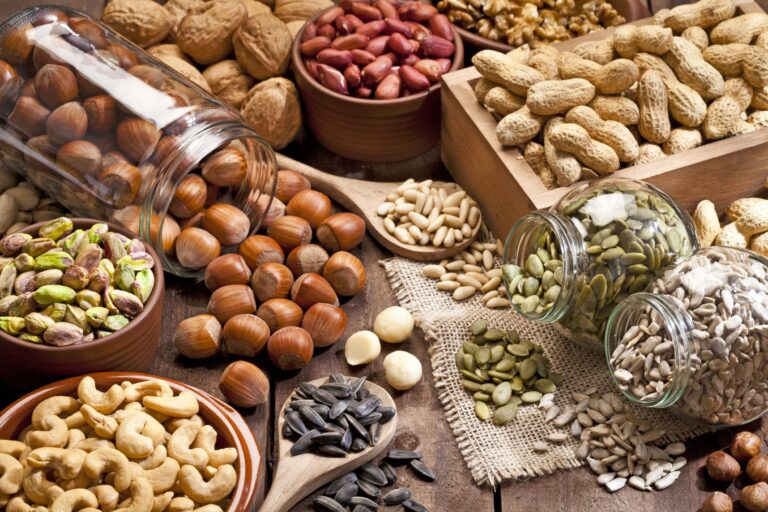
Nuts contain healthy fats and protein. A small portion of peanuts can be satiating and energizing. Spreading some nut butter on whole grain bread is a great way to add protein to your breakfast and snacks. However, while nuts are wonderful, the same can’t be said for all nut butters. It’s best to consume those that contain no more than two ingredients: peanuts or salt; otherwise, they offer no benefits.
Ideally, we should eat whole and unprocessed foods, but life doesn’t always allow for that. If you don’t eat fruits and vegetables around the clock, your food will still be beneficial to you. It’s also normal to occasionally consume protein bars or a bag of popcorn. Healthy eating doesn’t mean “all or nothing.” You don’t need to eat perfectly to be healthy.