Rejuvenate Your Senses: The Wonders of Spring Aromatherapy
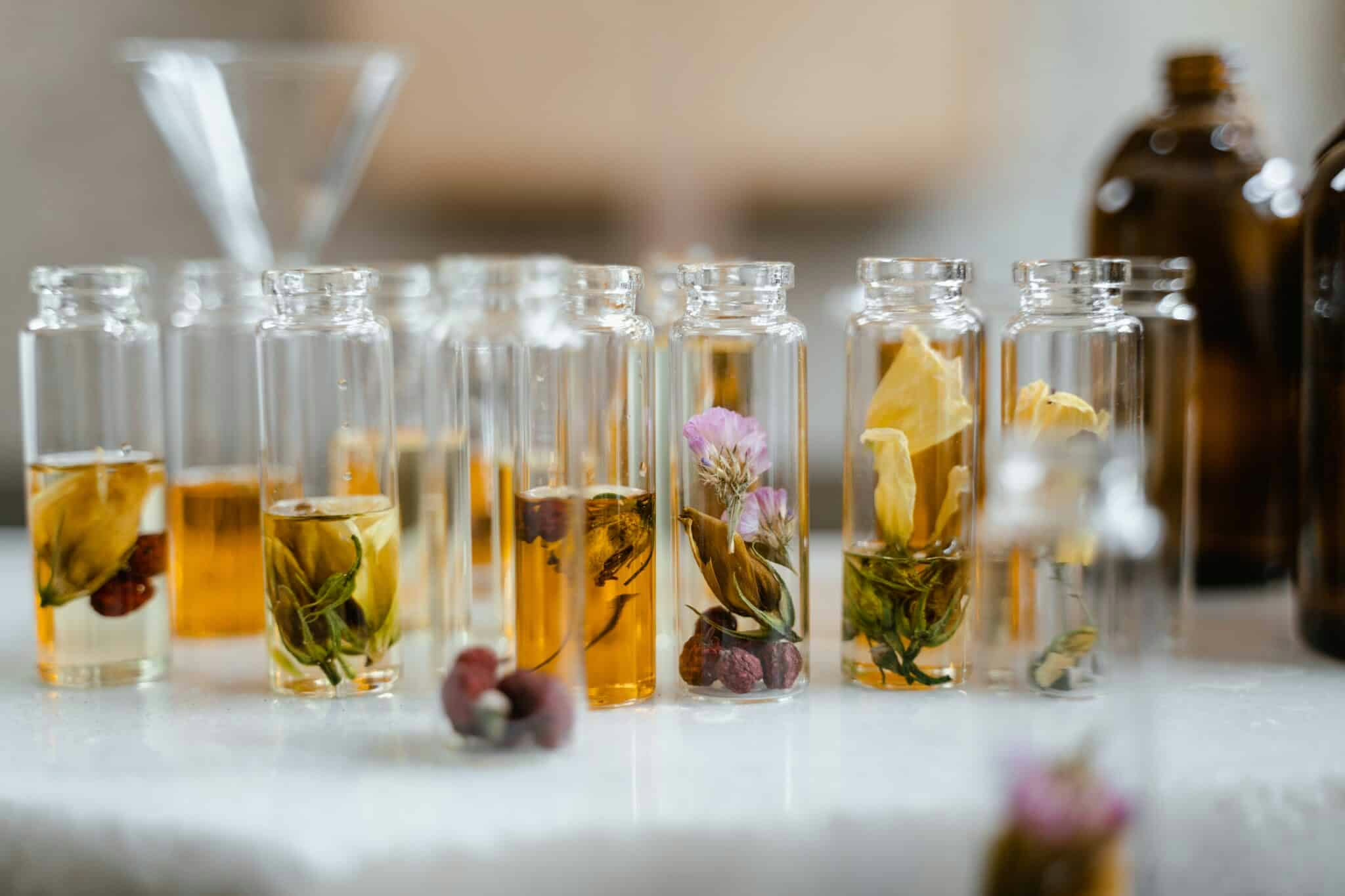
Embracing the Spirit of Spring
Spring impacts each of us in unique ways. For some, it’s a season of discomfort due to shifts in health and mood. Even renowned poets, celebrated for their sensitivity, harbored mixed sentiments about spring. Sergei Yesenin penned, “Spring does not resemble joy,” and Alexander Pushkin admitted, “In spring, I am ill.” But what triggers these feelings?
The Science Behind Springtime Blues
The cause lies in the abrupt discord within our body’s functions. Physiologists attribute this to the activation of endocrine glands. While understanding this may offer some solace, it doesn’t alleviate the symptoms. Mental lethargy may set in, physical restlessness may increase, instincts may surge, and self-control may wane. This can lead to a mix of euphoria, fatigue, or even depression. So, what can we do to combat these feelings?
The Healing Power of Nature
One of the most effective ways to counter these emotions is to spend time outdoors, inhaling the fresh air. The aromas of forests and parks can positively influence our emotional state, uplift our mood, and fortify our bodies. Plant aromas can help mitigate stress and restore harmony between body and soul. They can be invigorating, refreshing, calming, and relaxing. These scents can help us release anger, forget our worries, and conquer fear.
In the cool, damp climate of Belarus, forest aromas may not be as intense as in exotic locales, but they are no less cherished. Observing the delicate spring blossoms and new leaves can bring aesthetic pleasure and help us find inner peace and tranquility. It’s noteworthy that trees like fir, spruce, pine, and cedar offer their healing aromas not just in spring, but almost year-round.
Inviting Nature Indoors
If possible, bring some of these healing plants into your home. Many plants can thrive indoors and offer health benefits. For instance:
- Rosemary: Can help with bronchial asthma and respiratory diseases.
- Bay Laurel: Can aid with sclerosis.
- Scented Geranium: Can help with high or low blood pressure, nervous disorders, stress, insomnia, and headaches.
If you’re not keen on plant care or can’t for some reason, aromatherapy using essential oils is an excellent alternative. Essential oils are concentrated aromatic compounds extracted from plants. They can be found in various parts of plants, such as flowers, leaves, fruits, seeds, resin, bark, wood, and roots. They are called “essential” due to their volatility and “oils” because they feel oily, are lighter than water, and don’t mix with it. Essential oils are low-toxicity substances and are safe to use when following certain rules.
Understanding Essential Oils
It’s important to note that there are no essential oils derived from watermelon, melon, apple, pineapple, chewing gum, or cola. The most significant way essential oils interact with our bodies is through our sense of smell. The olfactory nerve stimulates the limbic system, the ancient part of the brain that regulates emotions, desires, physical needs, and memory. This direct connection allows essential oils to have a quick and powerful effect on us. Therefore, a pleasant aroma is crucial; it should not irritate the nasal and respiratory mucous membranes.
Testing Essential Oils
To test an essential oil, place a drop on a piece of paper and inhale the aroma several times. Monitor your state for 10-20 minutes. All essential oils should be tested for individual sensitivity before use on the skin or for inhalation. This is especially important for oils derived from clove leaves, oregano, cinnamon bark and leaves, and thyme, as they can cause irritation.
To conduct a skin test, dilute 1 drop of essential oil in 1 ml of fatty oil (such as sunflower, corn, or olive oil). Apply 1-2 drops of the mixture to your wrist, gently rub it in, and observe the skin’s condition for a day. If there’s no redness, itching, or swelling, you can safely use the essential oil in that concentration.
The Benefits of Essential Oils
The main advantage of using essential oils is their regulatory effect on the entire body, not just individual organs. Activating the self-regulation mechanism can help prevent diseases and improve health in chronic conditions. A single essential oil can contain over 200 different chemical compounds that affect the body differently depending on the circumstances. This explains the wide range of pharmacological and therapeutic properties of essential oils. For example, sage oil can have diaphoretic and expectorant effects, calm the nerves, or be used as an astringent.
Safety Precautions
Despite their benefits, it’s crucial to remember the principle of “Do no harm” and take some precautions:
- Do not ingest essential oils.
- Do not apply undiluted essential oils to the skin or mucous membranes.
- If essential oils get into your eyes, rinse them thoroughly with fatty oil, then with water.
- Keep essential oils out of reach of children.
- Do not expose essential oils to sunlight or store them on a windowsill.
- Use essential oils only in permissible concentrations.
- After use, tightly close the bottle and store the essential oil in a cool, dark place, preferably in a dark glass bottle.
- Store essential oils derived from citrus peels in the refrigerator.
- Be cautious when using essential oils near an open flame, as they are highly flammable.
Choosing the Right Essential Oils
When buying essential oils, always ask the seller about their origin. If the certificate says “naturally restored,” it’s best not to buy them. Natural essential oils cannot be cheap due to the technical aspects of their production, purification, packaging, delivery, customs duties, and certification. If different essential oils are sold at the same price, they may have been diluted with vegetable oil in various proportions to equalize the prices. Do not buy large bottles of essential oils. They are used in small quantities and cannot be stored for a long time once the bottle is opened. Aromatic substances sold in clear glass bottles are likely not essential oils but chemical synthetic compounds that imitate the scent of natural ones.
Essential Oils for Spring
The beginning of spring is often characterized by cool, dry weather, so warm scents like vanilla, myrrh, pine, cedar, lotus, clove, and thyme are particularly harmonious. As spring progresses and the weather warms up, cooler aromas like neroli, rhododendron, rosemary, and jasmine become more suitable. Essential oils like peppermint, bergamot, eucalyptus, patchouli, rosemary, geranium, sage, neroli, melissa, orange, rose, rosewood, ylang-ylang, cedar, grapefruit, frankincense, fir, spruce, lemon, and juniper can help reduce stress, regulate mood, and relieve tension. Lavender oil is suitable for any time of the year. Like sage and basil oils, it is a stabilizing oil.
For more information on the benefits of aromatherapy, you can visit the National Association for Holistic Aromatherapy.