Reiki: Healing at Your Fingertips
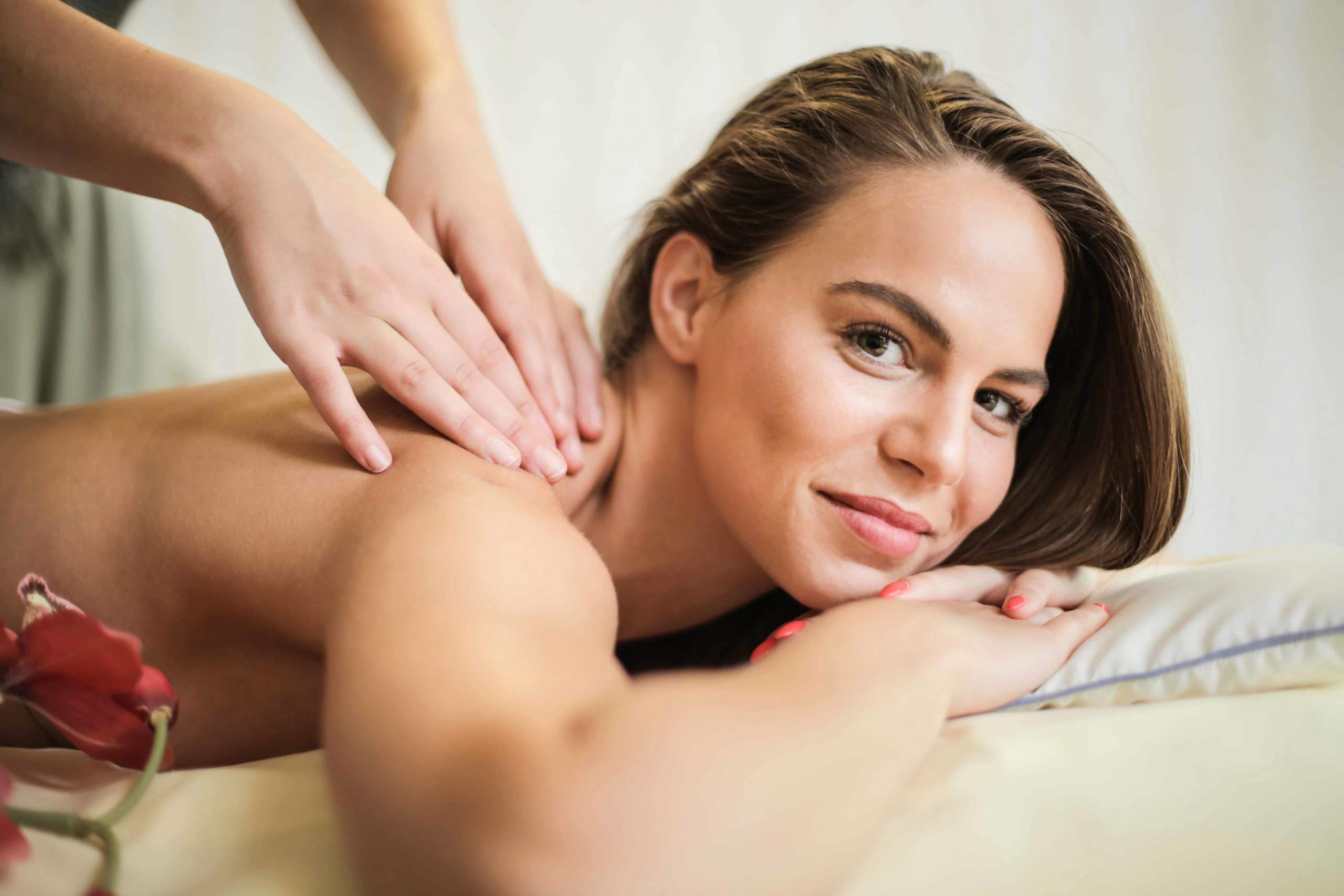
Reiki: Healing at Your Fingertips
“Reiki” is a Japanese term for universal energy: “Rei” signifies universal or spiritual, while “Ki” denotes energy. We are all conduits of this energy and can transmit it. On a basic, everyday level, we unconsciously do this through the palms of our hands.
Where Do We Draw Our Vitality From?
“By relaxing and resting,” “engaging in a favorite hobby,” “spending time in nature,” “communicating with loved ones” – each of us has our own way of restoring our vitality. Typically, the solution lies in doing something simple and pleasant. But what if our illnesses and bad moods are not always caused by viruses, vitamin deficiencies, and chronic fatigue? What if the improper flow of vital energy in the body is the culprit? Correct this mysterious “flow,” and you’ll be full of strength again!
What is this “Flow of Vital Energy”?
Why can some people restore this flow not only in themselves but also in others? What gift or knowledge must one possess, and is it worth seeking and developing these qualities within ourselves?
By the time I came to learn Reiki, I had already been practicing meditation for several years and working on the theme of practical wish fulfillment. The Reiki system “hooked” me with the possibility of deeper self-knowledge. People come to Reiki with different intentions, but most often to help themselves or loved ones cope with physical ailments, to learn how to save themselves with something other than medicine. Doctors come for a new facet of their profession, seekers for an interesting spiritual experience, because the knowledge of the spiritual and physical worlds is a unified process. In any case, immersion in Reiki practice truly changes a person at different levels of their life.
The Universal Energy
Everything in the world is created and permeated by infinite energy that is in motion. We “recharge” from this energy through breathing, and the inhaled vital energy “activates” all our organs, systems, thoughts, feelings, and sensations – everything visible and invisible in and around us.
Reiki is a Japanese term for universal energy: “Rei” signifies universal or spiritual, while “Ki” denotes energy. We are all conduits of this energy and can transmit it. On a basic, everyday level, we unconsciously do this through the palms of our hands: rubbing a bruised spot to ease the pain, shaking hands to express openness, crossing ourselves to ward off negative energy, and caressing each other to express love. Our palms have the highest number of tactile receptors in the body, but few of us use the potential of our palms to the fullest.
The Role of Reiki Practitioners
The universal spiritual energy gives and sustains life, and its proper flow is the condition for a person to remain whole (to become “healed”) at the level of body, soul, and spirit. The hands of Reiki practitioners act as a kind of “tuning fork,” setting the patient’s energy to a “healthy tone.” Reiki masters (teachers) introduce special Reiki energy symbols into the subtle (invisible) bodies of students through a special ritual and enhance the energy potential of their palms. This ritual, like a Reiki session, does not involve touch; the hands are held at some distance from the body, and the ritual is conducted in a state of meditation (conscious relaxation, in which the student hears, perceives, but remains motionless). After receiving “initiation,” students gain the right to transmit Reiki energy to other people in “unlimited quantities,” including doing so remotely.
Reiki healers themselves do not “heal” – they are simply retransmitters of energy. The code of such a healer does not allow them to “improve” the life and health of the patient, evaluate their actions, give advice, or transmit energy to the patient without their consent. Perhaps Reiki practitioners are one of the best examples of “an instrument in God’s hands.” Sincerity, openness, deep trust and love, the ability to listen and hear oneself and others – this is the path that Reiki leads a person on.
The Reiki Session Experience
The sensations from a Reiki session are amazing: complete relaxation, deep peace, and tranquility. A state in which you are neither asleep nor awake, but in unity with the world and bliss. In places where energy has “difficulty” moving through your body, small spontaneous movements may occur, but they usually do not cause discomfort.
Do You Need to Be a Doctor to Heal with Reiki?
It is difficult to answer this question definitively, and here’s why. When a person receives an additional flow of Reiki energy, obvious changes begin to occur in their life. The energy begins to “cleanse” the surrounding space of “outlived” contacts, removing “dead” relationships from it. The main thing happens: Reiki makes its practitioner more receptive to their own energy and the energy of other people. Everything changes: the perception of aromas and sounds, heat and cold, one’s own body and emotional reactions. Imagine that instead of 24 shades of life, you begin to feel and observe hundreds, thousands of times more! Gradually, you receive “internal” answers to your questions and understand where your positive and negative emotions come from and what dictates them. You learn to easily let them go. Of course, the transformation does not happen immediately: the first changes are noticed within a month, cardinal changes occur after a year or a year and a half. My “cleansing” process was rapid and strong; the energy “took root” in the body in less than a month, and the experience of evaluating and releasing negative emotions and tracing the causes came after a year of conscious work.
The most important thing is that you change yourself, opening up to yourself from new sides! This does not always cause admiration because all sides of the essence are shown: weak, dark, strong, light. But the task of Reiki practitioners is to be in harmony with themselves, and only then help loved ones, including all living things in their space (people, plants, pets, difficult life situations).
If we consider healing one-dimensionally, as a practice of alternative medicine, then undoubtedly, doctor-Reiki practitioners combine several levels of help: understanding the laws of the body’s functioning with observing how energy fills and materializes the body.
The Materialization of Energy
Perhaps one of the brightest examples of energy materialization in our world is the conception and birth of a child. From the invisible becomes visible and grows, filled with a new creation. In the same way, health is born from illness, an idea from a mental impulse, and the desired from intention. Reiki is one of the wonderful tools that allows “embodying” the divine order in the material world.
Should You “Believe” in Reiki?
Here’s what the founder of the system, Mikao Usui (1865–1926, Japan), said about this: “Reiki is not like psychological techniques, hypnosis, and other methods of influencing consciousness. There is no need to agree with the effectiveness of Reiki or be enthusiastic about it. It does not matter if you doubt, deny, or reject it. For example, Reiki is effective for children or seriously ill people who cannot have any conscious conviction about the effectiveness of this treatment, such as doubt or denial. Probably, only one out of ten believed in my method before treatment, but most believed only after they felt the real benefit.”
The Five Principles of Reiki
On the gravestone of Sensei Mikao Usui, the founder of the practice, five principles of Reiki are engraved, taken by Usui from the poetry of Japanese Emperor Mutsuhito:
- Just for today, do not worry
- Just for today, do not anger
- Honor your parents, teachers, and elders
- Earn your living honestly
- Show gratitude to every living thing
Mikao Usui believed that it was these principles that helped him…
For more information, visit the official Reiki website.