Long-Term Effects of COVID-19 in Children: What Parents Need to Know
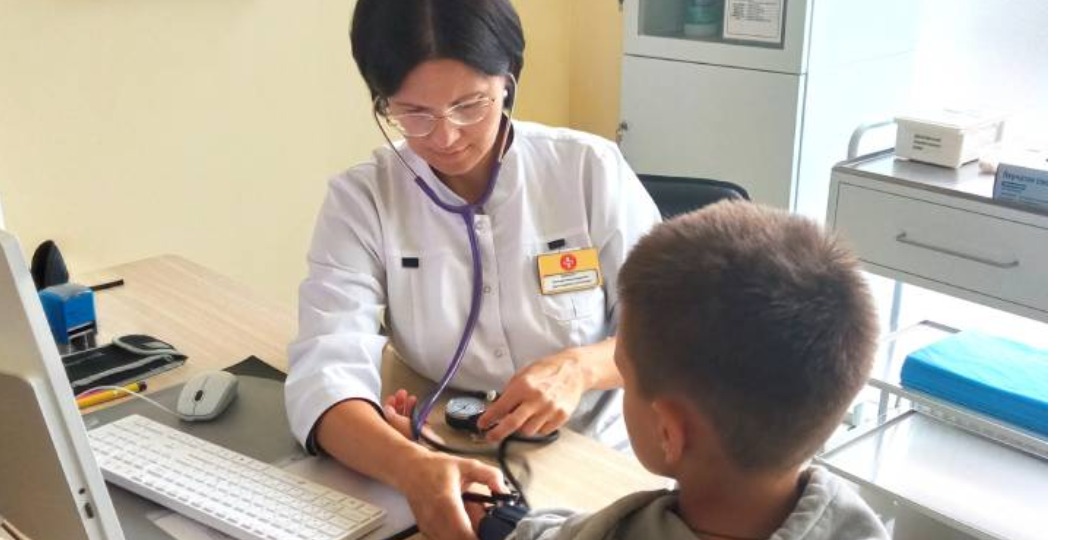
Long-Term Effects of COVID-19 in Children: What Parents Need to Know
COVID-19 can have long-term effects on children, with symptoms appearing even six months after infection. It’s crucial for parents to recognize potential complications, even if the illness was asymptomatic. This article provides insights from a pediatric expert on what to watch for and how to safeguard your child’s health.
Symptoms of COVID-19 in Children and Adolescents
COVID-19 in children can range from asymptomatic to severe. Asymptomatic cases are common, where children show no symptoms, and the diagnosis is often made retrospectively. If parents have had confirmed COVID-19, it’s likely their children have been exposed, even without symptoms.
Mild to moderate cases of COVID-19, particularly with the Omicron variant, present non-specific symptoms similar to other viral infections:
- Fever between 38.0-39°C for 2-6 days
- Catarrhal symptoms: pharyngitis, runny nose, ear congestion, conjunctivitis
- Dry or semi-productive cough
- Unstable stool and abdominal pain
- Muscle pain
- Heart palpitations and chest pain
- Headache, fatigue, and loss of concentration
- Polymorphic rash
- Vasculitis
Recommended Tests After COVID-19
For doctors, it’s essential to identify a viral infection affecting the upper respiratory tract, whether it’s COVID-19, adenovirus, rhinovirus, or others. Treatment remains similar regardless of the specific virus.
During the acute phase, children should undergo:
- Complete blood count (CBC)
- Urinalysis
- Biochemical blood tests (CRP, ALT, AST, LDH, ferritin) to rule out bacterial infections requiring antibiotics
If additional symptoms like rash or severe headache are present, further tests such as a coagulation profile may be ordered.
To confirm COVID-19, rapid tests or PCR tests can be done. A month after infection, regardless of severity, the following tests are recommended:
- Complete blood count
- Blood glucose test
- Urinalysis
- Electrocardiogram (ECG)
If ECG abnormalities are found, an echocardiogram may be performed. If your child shows increased fatigue or irritability, consult a pediatrician. Children who had pneumonia or multisystem inflammatory syndrome (MIS) will receive individualized recommendations upon hospital discharge.
Common Long-Term Effects in Children
Long-term effects in children differ from those in adults. Children generally recover more easily, except for those with obesity or autoimmune and oncological conditions.
Common complications include:
- Endocrine and autoimmune issues
- Heart conditions
Endocrine complications, such as diabetes, require monitoring blood glucose levels for six months post-infection. Diabetes often develops in children who had severe COVID-19 or have a family history of the disease.
Heart conditions can arise from viral damage to the heart muscle. Regular monitoring, including ECGs, is crucial. It’s also important to watch for multisystem inflammatory syndrome (MIS), where the immune system overreacts post-COVID-19. Symptoms include weakness, high fever, sore throat, nasal congestion, and skin rashes. Immediate medical attention is necessary if these symptoms appear.
For more information on heart health in children, visit this resource.
Fatigue and Nervousness Post-COVID-19
Children, like adults, can experience fatigue and nervousness after COVID-19. These symptoms are not unique to COVID-19 and can occur after any viral infection affecting the central nervous system. Even mild cases can lead to prolonged recovery periods.
Neurological Symptoms
Headaches, migraines, and loss of consciousness can be post-COVID-19 symptoms. Consult a pediatrician if these occur. Additional tests may be ordered, and referrals to specialists like neurologists may be given. Seizures can also occur, but they are not always due to COVID-19; they can result from fever or other underlying conditions.
Mental Health Impact
COVID-19 can affect a child’s mental health. Increased anxiety levels have been observed in children. Parents and doctors should be vigilant about any unusual behavior and seek specialist advice when needed. Consult a pediatrician first, who may then refer to psychologists or psychotherapists.
Joint Problems
Joint problems are less common in children post-COVID-19 compared to adults. Children often experience growing pains, making it difficult to attribute joint issues solely to COVID-19.
Recovery and Monitoring
Determining whether symptoms are due to post-COVID-19 effects or normal growth changes requires medical evaluation. If a child exhibits unusual symptoms or behaviors, consult a doctor.
Parents should ensure their children get plenty of rest, a balanced diet, and stay hydrated to support recovery. Regular follow-ups with healthcare providers are essential to monitor and address any long-term effects of COVID-19.