Conquering Anxiety: Proven Techniques for a Calmer Life

Understanding Anxiety
Anxiety is an emotion characterized by feelings of tension, worried thoughts, and physical changes like increased blood pressure. It’s a natural response to stress, but when it becomes overwhelming, it can interfere with daily life. There are two main types of anxiety:
- Background anxiety: This is a constant, low-level anxiety that we live with daily. It helps us identify potential threats in our environment.
- Situational anxiety: This is a sudden surge of anxiety triggered by specific situations, such as a panic attack.
Effective Techniques to Manage High Background Anxiety
Aerobic and Rhythmic Exercise
Engage in aerobic exercises that you can do at home, such as walking in place, squats, or following along with online exercise videos. Regular physical activity helps produce endorphins, distracts your mind, reduces stress hormones, relieves tension, and improves sleep and mood. Aim for at least 15 minutes daily; consistency is more important than intensity.
Physical Activities
Physical activities can help divert your attention and break the cycle of anxiety. This can include exercise, taking a shower or bath, massage, tactile practices, sexual activity, cooking, or any hands-on tasks.
Hydration
Dehydration can increase anxiety. Ensure you drink 1.5-2 liters of water daily, or about 0.5-1 glass every hour and a half while you’re awake.
Meditation, Relaxation, and Stretching
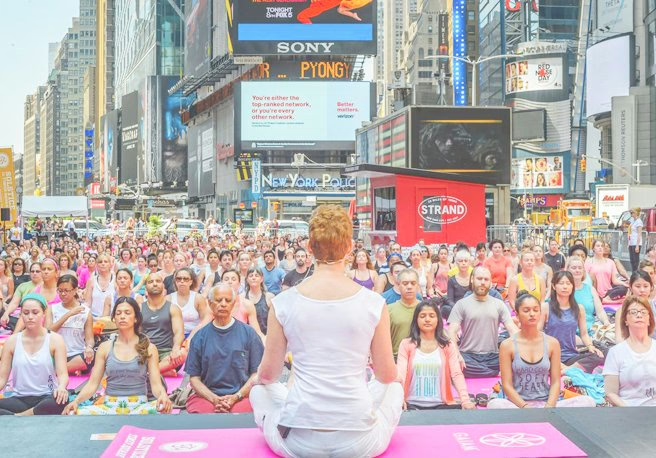
An anxious mind struggles to find peace on its own. Meditation, relaxation techniques, and stretching can help. If you find meditation challenging, keep trying. There are many apps and audio/video recordings available to guide you.
Anti-Stress Crafts
Engaging in creative activities can activate the part of your brain responsible for creativity. Choose an activity you’re already good at and can do relaxedly. Spending 30-40 minutes on such activities can slow your heart rate and breathing, relax your muscles, and lower your blood pressure.
Distraction
When anxious, certain parts of the brain become overactive. Engaging other parts of the brain can help redirect this energy. Try talking to someone, watching a movie, cleaning, listening to music, reading, or helping children with their homework.
Rituals
In times of crisis, maintaining familiar routines can be calming. However, if you find yourself engaging in rituals excessively, it may be helpful to seek professional help.
Humor
Humor can help you accept situations and activate parts of the brain that reduce anxiety. Psychologists consider humor to be one of the most mature psychological defenses.
Supportive Environment
Research shows that people with a supportive network are better equipped to handle negativity and even pain. Interestingly, weaker social ties can be more beneficial than strong ones, as acquaintances can bring fresh perspectives that close friends and family may not.
Mental Hygiene and Communication Management
Limit your news consumption to 30 minutes in the morning and evening. Avoid individuals who spread panic or express opinions and emotions that are not conducive to your well-being. Politely distance yourself from those who use you as an emotional dumping ground. Encourage them to seek professional help if needed.
Take periodic breaks from social media and, if possible, brief breaks from family communication. However, be mindful of social isolation. Seek out interactions if you feel lonely.
Professional Help and Mental Exercises
If your workplace offers a psychological support program for employees, take advantage of it. You can also reach out to hotlines or seek online counseling. Speaking with a professional can be beneficial, especially if you have a high baseline level of anxiety.
Practice mental exercises to better cope with anxiety. Learn to endure anxiety without reacting, as it will eventually subside. Improve your internal dialogue skills and challenge anxious thoughts. Develop a self-help system and assist others.
What to Avoid During Anxiety
- Alcohol: While it may provide temporary relief, alcohol is a depressant and diuretic that can increase anxiety and depression in the long run and lead to dehydration.
- Sugary Foods and Drinks: These can lead to a cycle of emotional eating. Additionally, high blood sugar levels can increase stress-related hormones in some individuals.
- Psychoactive Substances and Stimulants: This includes coffee, tea, and energy drinks. They can trigger the release of stress-related hormones and neurotransmitters, which can exacerbate anxiety.
- Constant News Monitoring: Focusing too much on things beyond your control can increase feelings of helplessness and anxiety.
- Placebo Methods: Techniques like homeopathy and acupuncture lack scientific evidence and may not be effective for everyone.
Remember, you are stronger than you think! However, if you have mental health issues, severe sleep disturbances, suicidal thoughts, or worsening depression, this guide may not be sufficient. In such cases, seek help from professionals.
For more information, you can visit the Anxiety and Depression Association of America website.