From Orphanage to Stardom: The Inspiring Journey of Nastya, the Star of ‘Lake of Joy’
From Orphanage to Stardom: The Inspiring Journey of Nastya, the Star of ‘Lake of Joy’
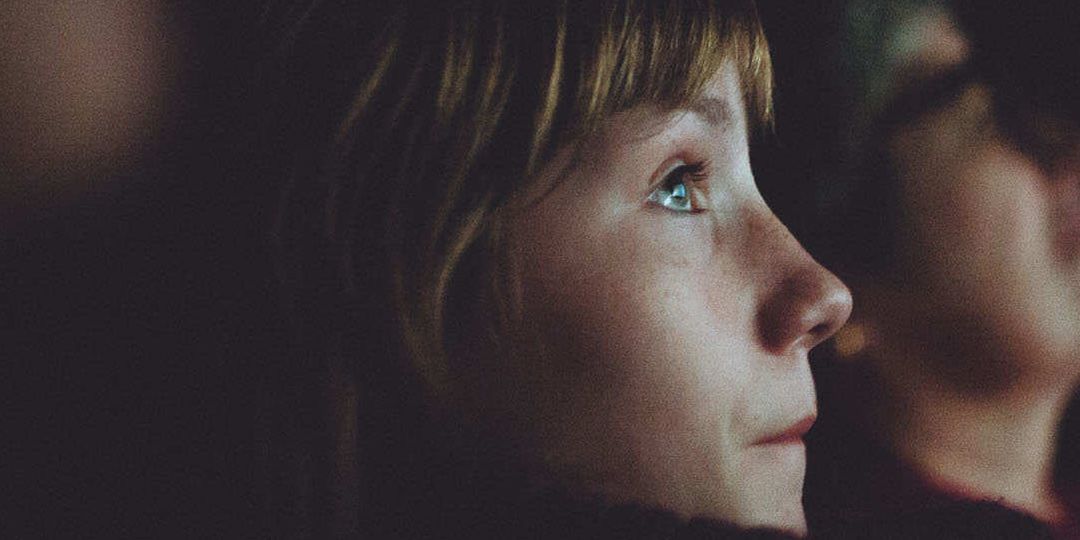
The film “Lake of Joy” won the “Red Autumn” award for “Best Short Film”. The lead role is played by Nastya, who essentially played herself: a girl who was abandoned by her closest family and sent to an orphanage. On the premiere day, journalist Veronika Ulasevich and photographer Alexander Vasyukovich from the IMENA platform spent the day with Nastya, traveling from the orphanage to the “Lake of Joy”.
Nastya’s Unexpected Journey to the Big Screen
Nastya never dreamed of being on the big screen. However, director Alexey Poluyan believed in her. During the filming, her foster mother, Aunt Sveta, was by her side. Later, the jury of a Spanish film festival named her the “Best Actress”.
Nastya first saw the film featuring herself at the world’s main short film festival in Clermont-Ferrand, France. After the premiere, “Lake of Joy” received awards at prestigious European film festivals, including three awards at the Spanish FICBUEU, the “Best Direction” award at the Drama Film Festival in Greece, two awards at the Nevada Film Festival, and the “Best Short Film” award at the German Hessen Film Awards.
Nastya’s Challenging Childhood
Nastya Plyats and her older brother Slavik were born in a small village in the Bobruisk district. They shared the same mother but had different fathers. Their parents were alcoholics, and their father would often beat their mother. The children did not know what bread was and had never tasted bacon, despite living in a village.
One day, their biological mother took them to an orphanage and left them there. Nastya was four years old, and Slavik was six. After that, she never visited or called to check on them. Their father, Arthur, visited them initially, bringing treats and gifts. However, Nastya would tear and throw away everything he brought. Soon, Arthur also disappeared from their lives.
A New Mother Figure
For Nastya and her brother, Svetlana, a teacher from the SOS Children’s Village in Mogilev, became their mother. To them, she will always be Aunt Sveta. She explained to her foster children that they should not have two mothers and that they would return to their biological mothers when they grew up.
Growing Up Together
Nastya and Slavik grew up very differently. Slavik was kind and accommodating, while Nastya was stubborn and hid her good qualities deep inside. However, they had a good relationship, and Nastya would sometimes share secrets with her brother when she was in a good mood.
The Making of “Lake of Joy”
In August 2017, director Alexey Poluyan visited the SOS Children’s Village in Mogilev to find a girl to play the lead role in his short film about the fate of an orphan. While other girls tried to impress the visitors from the capital, Nastya kept her distance. However, the director only needed one look at her to know she was the right choice.
Alexey Poluyan sent a photo of Nastya to Viktor Martinovich, the author of the book “Lake of Joy,” on which the film was based. Martinovich quickly responded that Nastya was exactly how he had imagined the girl.
Nastya’s Struggles and Triumphs on Set
Nastya had to play herself, which meant she did not have to act. However, she initially struggled to open up on set. She did not understand what was expected of her. Sveta, who was with her throughout the filming, recalled the most intense moments:
“Of course, I noticed her confusion during the first days of filming. Take the first day, the scene where Nastya hangs wet laundry. Take after take was filmed, it was cold, she was warmed with blankets and hot drinks, and then she was asked to do it again. And at some point, she just started crying in the middle of the set. Not because she was cold, but because she was worried that she was doing something wrong.”
That evening, Sveta suggested Nastya think until the morning and decide whether to continue making the film or go home. If they chose the latter, they would let down the entire team. The next morning, Nastya decided: “We continue working.”
Nastya’s Dreams and Aspirations
Now, at 12 years old, Nastya is reminded of her month of adventures by a real clapperboard from the filming and a notebook with warm wishes from her friends on set.
Director Alexey Poluyan will always remember Nastya:
“At her age, she is making wonderful strides. During the filming, I talked to her as if she were an adult; I did not treat her as a child. She is indeed very mature. She has life experience, perhaps as much as you and I combined. She has seen a lot. You will notice the depth of her eyes! She looks like an adult woman in a child’s body. As soon as I saw her, I understood that she was a person who would fight.”
Nastya dreams of making the world a little more beautiful. When she grows up, she wants to become a hairdresser.
“I do hairstyles for all my girlfriends. It does not matter what kind of hair they have, long or short; I will make them beautiful. By the way, my classmate and I—her name is also Nastya—go to the roller ski track every day except Monday. We have been friends for a long time but not too close. Sometimes we share secrets; she often tells me about boys.”
Supporting Children Like Nastya
To support children like Nastya, you can contribute to the “Threads of Friendship” project. This organization has been preparing patron teachers for orphaned children for several years. Patron teachers are adults who do not adopt a child or take them into their homes. However, they are adults who are present in the child’s life, regularly visiting them in the orphanage, helping with homework, going for walks, teaching them to cook, and adapting to adult life.
Finding an adult with whom the child will feel comfortable, interested, and safe is not an easy task. Every year, about 700 people try to become “significant adults,” but only a few dozen make it to communicating with the children.
Qualified psychologists and social educators will search for, select, and train patron teachers for orphans. They will then support both the patron teachers and the children in building relationships and tracking positive changes in the children.
You can make donations through the “Calculation” ERIP system: “Calculation” System (ERIP) — Charity, Public Associations — Help for Children, Adults — Threads of Friendship. If you are paying at a bank cashier, inform the cashier about the need to make the payment through the “Calculation” system (ERIP).
For more information, visit the official website of gorodw.by.