Heart-Healthy Diet: Essential Tips for a Strong Cardiovascular System
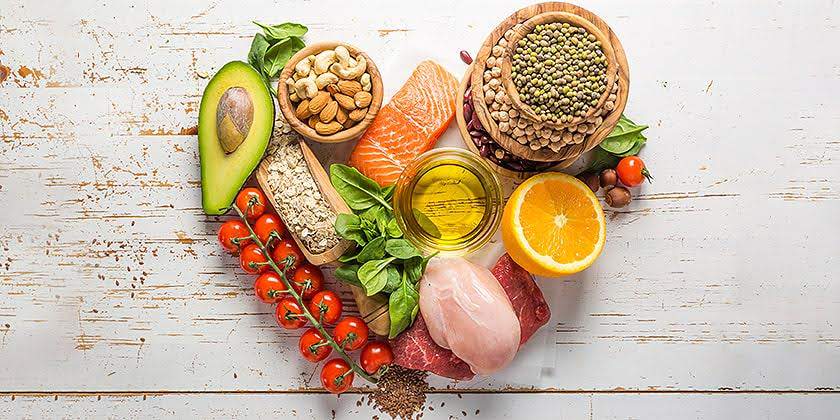
Heart-Healthy Diet: Essential Tips for a Strong Cardiovascular System
The cardiovascular system plays a crucial role in the human body. It ensures the delivery of oxygen to organs, transports nutrients, and removes toxins and waste. A proper diet can help manage ailments, solve numerous digestive issues, and improve the functioning of all internal systems. Conversely, an improper diet can exacerbate underlying diseases, even those that are not immediately apparent.
The Mediterranean Advantage
Studies on the prevalence of cardiovascular diseases have shown that Europeans living along coastal areas suffer less from heart diseases compared to Americans. This difference is attributed to the diet of Italians, French, Greeks, and Spaniards, which is rich in heart-healthy foods. Their lands provide an abundance of fresh fruits year-round, and their waters are teeming with seafood.
Essential Nutrients for Heart Health
Foods beneficial for the heart must contain essential fatty acids, vitamins, and minerals. These nutrients reduce the risk of heart attacks, strokes, and other cardiovascular events. Let’s explore some of these heart-healthy foods:
Fatty Fish
Consuming fatty fish rich in omega-3 fatty acids enhances the elasticity of blood vessels and accelerates recovery processes. Fish with high omega-3 content include salmon, chum salmon, sardines, mackerel, anchovies, halibut, and tuna.
Alpha-Linolenic Acid (ALA) Rich Foods
ALA is a natural fatty acid found in meat and dairy products. It has anti-diabetic and anti-inflammatory properties, helps normalize blood pressure, and may even aid in cancer prevention. Sources of ALA include ghee, Greek feta cheese, and plant oils, as well as nuts, seeds, and legumes.
Herbs for Flavor and Health
Use herbs as a substitute for sugar and salt. Basil has anti-inflammatory properties and helps regulate blood glucose levels. Mint and oregano are rich in antioxidants and iron.
Dark Green Vegetables and Leafy Greens
Vegetables such as cabbage, bell peppers, spinach, asparagus, broccoli, and arugula are packed with vitamins, fiber, minerals (like magnesium and potassium), and phytonutrients such as polyphenols and carotenoids. Research has shown that increasing the intake of polyphenols can significantly improve cardiovascular health. Leafy greens are also a source of B vitamins and folic acid, which protect blood vessels from clots and strengthen artery walls.
Red Fruits and Vegetables
Red fruits and vegetables contain high levels of phytochemical compounds, lycopene (a natural antioxidant that gives certain foods their reddish color), and anthocyanins. These compounds support healthy heart function, improve memory, and reduce the risk of cancer.
Supplements for Cardiovascular Support
In addition to a healthy diet, certain supplements can support cardiovascular health. For instance, red fermented rice can block cholesterol synthesis in the liver, and bifidobacteria can limit the reabsorption of cholesterol from the intestines after it has been broken down in the liver.
Comprehensive support for the cardiovascular system is recommended not only for those with high cholesterol levels but also for the prevention of cardiovascular diseases. These supplements can help maintain normal cholesterol levels and provide several benefits:
- Prevent and maintain normal blood cholesterol levels
- Control cholesterol levels in people with moderate hypercholesterolemia
- Reduce the risk of cardiovascular diseases
- Maintain a healthy cardiovascular system
Stay healthy!