Eliza Orzeszkowa: A Life of Letters, Legacy, and Lesser-Known Facts
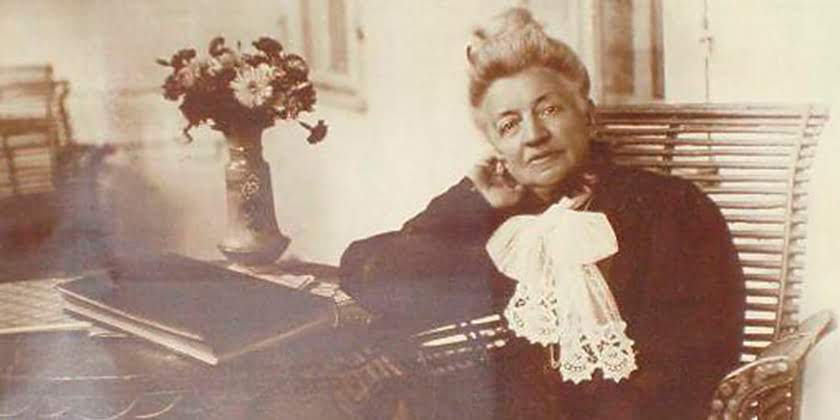
Eliza Orzeszkowa: A Life of Letters, Legacy, and Lesser-Known Facts
Eliza Orzeszkowa, a renowned Polish writer, led a life as captivating as her literary works. Here, we delve into the lesser-known facts about her life, exploring the alphabet of her experiences.
A – Alžbeta
Eliza Orzeszkowa was christened Alžbeta, named after her maternal grandmother. However, throughout her childhood, she was affectionately known as Ziuńka. Her grandmother played a significant role in her upbringing, regaling her with tales of historical figures like Tadeusz Kościuszko and Stefan Batory during long winter evenings.
B – Business and Banishment
Orzeszkowa owned a publishing business in Vilnius, where she published her satirical series “Alphabet.” However, her venture was short-lived, with only four issues released. Consequently, she faced restrictions on her freedom, including travel bans, and was confined to the vicinity of Grodno.
C – Courage in the Uprising
In 1863, Orzeszkowa participated in the January Uprising against the Russian Empire. She and her friends formed a legion of women who supported the rebels by baking bread, sewing clothes, and delivering secret correspondence. Her most daring act was smuggling the wounded Romuald Traugutt, a revolutionary leader, to the border in her carriage.
D – Diaries
Orzeszkowa began writing diaries at the age of 57, inspired by the works of Henri Amiel. Her diaries, filled with abbreviations and cryptonyms, provided a brief account of her daily life. They were later deciphered and published in Warsaw in 2001 under the title “Days.”
E – Ethnography and “Meir Ezofowicz”
Orzeszkowa had a keen interest in Jewish culture and history. Before writing her novel “Meir Ezofowicz,” she immersed herself in Jewish customs and psychology. The novel, a significant work on Jewish life, earned her recognition and respect from the Jewish community.
F – Foreign Languages
Orzeszkowa was fluent in Polish, her native language, and proficient in French and German. She also understood Belarusian, reflecting her upbringing in rural Belarus. Her works have been translated into numerous languages, including English, Swedish, and Serbian.
G – Green Thumb: Herbaria
Orzeszkowa had a lifelong passion for botany. She collected and preserved plants, creating herbariums and botanical crafts. Her love for plants is evident in her literary works, with botanical references appearing frequently in her novel “On the Niemen.”
H – Humble Beginnings and Hearty Meals
Despite her noble heritage, Orzeszkowa had a fondness for simple peasant food, particularly “zatirka,” a traditional Belarusian and Polish dish. This preference is a testament to her humble nature and dedication to the common people.
Eliza Orzeszkowa’s life was a tapestry of experiences that shaped her into a remarkable writer and an extraordinary woman. Her legacy continues to inspire and captivate readers worldwide. For more information about her life and works, visit the Eliza Orzeszkowa Wikipedia page.