Vladimir Tsesler’s Alphabet: A Journey Through Art and Life
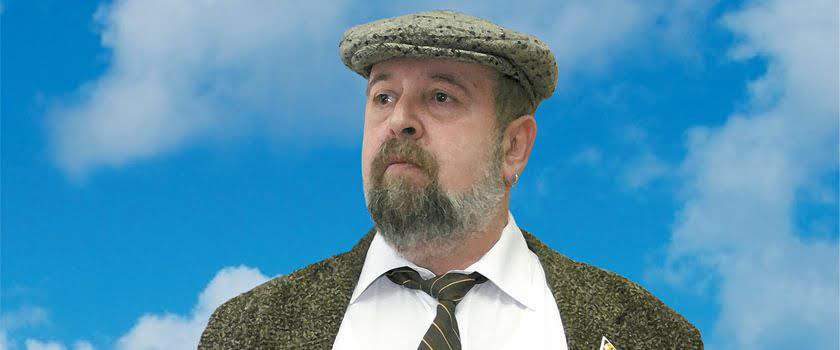
Vladimir Tsesler: An Extraordinary Personality
Vladimir Tsesler is a unique individual. His perspective on the familiar editorial section, “Alphabet,” transcends the conventional format. Instead, it offers a glimpse into the artist’s mind through the lens of the Russian Cyrillic alphabet.
The Beatles: A Life-Changing Influence
The Beatles have significantly shaped my life and personality, as they have for many others in the former USSR. Their music marked a pivotal moment in our lives. There is a distinct era before The Beatles and a transformed one after. Their influence is profound and enduring.
The Universe: A Warm and Welcoming Place
The letter ‘V’ represents the universe, the entire world. It is a warm and comforting letter, associated with goodness. Cities like Vilnius and Warsaw come to mind. Vilnius, in particular, holds a special place in my heart. Its unpolished charm, historical monuments, and humane approach to urban life make it one of the most remarkable cities in the post-Soviet space. The lack of excessive wealth has preserved its authentic character.
The City: A Complex Relationship
My life is intrinsically linked to the city, although I often dream of living in the countryside. There is a noticeable shift where rural residents move to cities, and urban dwellers seek solace in rural areas. The countryside offers a simpler way to preserve one’s essence. For me, the city is not a comfortable environment but a given one.
Firebird: A Golden Letter
The letter ‘Zh’ evokes images of warmth and food. It is a golden letter, reminiscent of rye, harvest, and fried delicacies. I once suggested the name “Zhar-pishcha” for a chain of cafes in Moscow specializing in draniki (potato pancakes). Additionally, I recall a humorous anecdote about the name ‘Zhora’ being common in Novorossiysk, highlighting the unique cultural quirks associated with this letter.
Laziness: A Soft Letter
The letter ‘L’ is soft and gentle. While people often strive for comfort and well-being, I find it challenging to not work. My mind is constantly occupied with work, even in my dreams. I once dreamt of trying to communicate with someone who was on a different layer, much like the layers in Photoshop. This dream reflected my constant engagement with work.
Minsk: A City of Contrasts
I used to be concerned about the appearance of Minsk. I would make suggestions, but now I have accepted it as it is. If people are happy with it, that is what matters. There is nothing left in Minsk that troubles me deeply. I recall an incident where a designer’s proposal was rejected by a woman who simply did not like it. This experience made me realize that personal preferences often override professional opinions. Minsk has improved, perhaps not because of, but despite various challenges.
Gates to Paradise
The letter ‘P’ symbolizes the gates to paradise. As an artist, I often think in images. I once participated in a radio show in Kiev where I was tested on my ability to associate music with colors. I successfully guessed most of the colors, including ochre, but stumbled on black, which encompasses all colors.
Labor: A Heavy Letter
The letter ‘T’ is heavy, representing both the cross and labor. When you engage in work you love, it does not feel like labor. However, working solely for money can be burdensome.
We: A Collective Identity
The letter ‘Y’ represents ‘we,’ the collective identity of all of us.
A Legacy from the USSR
The letter ‘E’ is a legacy from the USSR, a form of address that has replaced many others. It is an empty letter, devoid of meaningful content.
Yampol: A Village of Memories
The letter ‘Ya’ reminds me of Yampol, a village near where I grew up. Although I have never been there, it holds a special place in my memories. I am not fond of traveling, but there are two countries I would love to visit: Norway and Mongolia. These countries possess a unique energy that resonates with me. I believe they hold a special pillar of energy, which is essential for creativity. When you have an abundance of energy, you need to create and innovate.
For further reading on the unique cultural aspects of Mongolia, you can visit Britannica’s page on Mongolia.