The Alphabet of Andrus Takindang: A Journey Through Life and Art
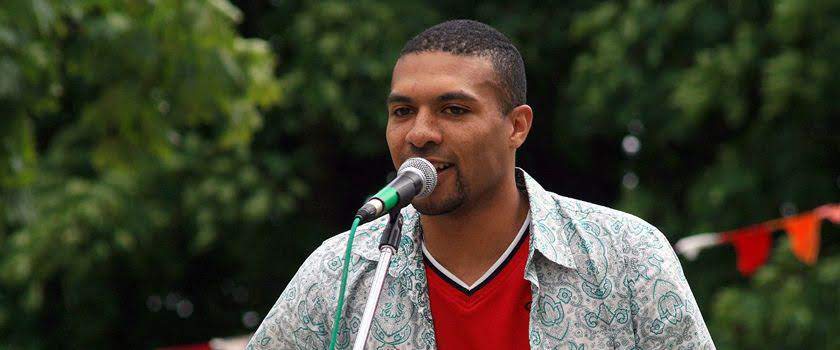
The Alphabet of Andrus Takindang: A Journey Through Life and Art
Who is Andrus Takindang?
Andrus Takindang is a co-founder of the bands Recha and Harotnica, known for his sharp sense of humor and artistic perception of the world. He is well aware of his weaknesses and is not afraid to talk about them. He can effortlessly chop wood and seems to have understood what happiness is.
The Importance of Life
In childhood, it was important to become a paratrooper, to be very physically strong. He wanted to learn to fly, thinking that time would pass and he would master this ability. It was important to become brave because he was afraid of the dark and monsters. And so they wouldn’t drag him under the bed and eat him. Now, it’s important not to let down those who trust him. When you become an adult, there are people whose position depends on your condition and success.
And you are not your own master. The greatest fear is to become the cause of misfortune for another person. He understands that this is not constructive. If fear is present, it can demoralize and become shackles. And then it turns into reality. First of all, you need to be responsible to yourself and seek your own happiness. Fear deprives you of lightness. And for an artist, luck and lightness are important.
The Roof: An Artistic Project
“The Roof” is an artistic project that started about 8 years ago in the Palace of Arts. The building turned into an experimental workshop: windows hung with black, canvases where it’s not clear what is painted, ropes hanging, musicians playing – freedom was felt. How artistic this is can be argued, but the paintings were bold and exhibited without the thought of “for sale”.
“The Roof” became a surprise for Minsk: a return to the 90s for a moment or to the time of the first performances, when everything is on the verge of folly, and artist Ales Pushkin rode into Vitebsk on a donkey. Then people lived for art, and everything was real.
The first “Roof” is a real mission. And there was no such aesthetics, super-conceptuality, and intellectuality that modern artists strive for. “The Roof” was kindly wild, a bit archaic, and sincere. Now everything is more practical, cautious, and calculated for material feedback. I’m not talking about modern art, which wants to be sharp, smart, relevant, and change the world.
But for me, it should be a bit silly. Now the Autumn Salon is taking place in the Palace of Arts, which is criticized a lot because it resembles a fair where everything is mixed. I find this diversity joyful, but some believe that it is the death of art.
Life and Its Meanings
He often uses the word “life” in his texts. Unfortunately, it has become a prostitute word. When you need to close a semantic structure, you throw it in. And the rhyme is well chosen. A word like a coin with which you bribe here and there. And it has a broad meaning. You use “life” in a text, and they say: “Wow, what a song! About life!”
The Letter “I”
“I” is a self-sufficient letter, a link. You write a poem, and if you need to, you put “I”. It’s a hardworking letter that helps create rhythm. He likes the form of the Belarusian “I”, it is laconic and graphically beautiful. If we talk about the Cyrillic “I”, it is similar to “n”, stands like a straddle, and the Latin “I” is pulled up. “I” is a modern girl who attends a fitness club and beautifies life.
The Power of “No”
He doesn’t always know how to clearly define his boundaries. Quite often, instead of the word “no”, he answers “I don’t know”, “maybe”, “I need to think”. And he understands that it’s easier to communicate on both sides if the position is expressed clearly: “yes” or “no”. As in Christianity: “But let your word ‘yes’ be ‘yes’, and your ‘no’ be ‘no’. For whatever is more than these is from the evil one.”
And he, like the Japanese, who are not used to answering sharply. Sometimes, he understands that the offer is not interesting and he just needs to refuse, says “I don’t know” and agrees, and thinks “why?”, and then it seems that it’s good that he agreed. And sometimes you understand later: you should have refused. He still hasn’t decided whether this is good or bad.
Sometimes life is a more interesting composer than we are. And the decisions that you didn’t initiate, but agreed to, pick up and lift you up.
Joy and Happiness
In childhood, he thought so that the monsters wouldn’t eat him. Then there was a period when he felt only joy: he walked with a smile and thought that it would always be like this. Then he realized that there are some problems, and joy became not a permanent resident, but a guest who comes and goes. But he is sure that his normal state is joy.
That is, he was created to live in joy. Because joy is what is inside a person and does not depend on external factors. For him, happiness and joy are when you write a picture or come up with a song. Then you feel that you are real. Then you live to the fullest and everything makes sense.
Takindang: A Family Name and Ritual
Takindang is his surname and the name of a ritual performed so that children in the family do not die. He has two families: Silvanovich and Takindang. Silvanovich is his mother’s maiden name, and Takindang is his father’s. He is lucky with his relatives.
He comes to the Silvanoviches, looks at his relatives and admires: they are beautiful, have inner nobility, and have not degenerated. The Takindangs are also beautiful, tall, and noble. This is not his merit, it is a gift from God.
The Gallery “Ў”
“Ў” is an independent art gallery. He sometimes goes there. It’s a place where young artists gather. He remembers when there was still a gallery “Subway” and Valya Kiselyova (director and curator of the gallery “Ў”. – Note. ed.) and Anya Chystaserdava (art director of the gallery “Ў”. – Note. ed.) worked there, dealing with the artistic part.
Then they quarreled with the owners and created their own art space “Ў” where there was a glassware reception. And now it is a famous place.
Toys and Childhood Memories
Toys. He dreamed of a transformer all his life. When you realize that you will soon be ashamed to play with toys, and the transformer is not bought, you feel untimeliness. He had little men: cowboys, Indians. They buried them with his cousin in the sand and then looked for them. If they found them, it was pleasant, and if they lost them, it was a tragedy. They lost cool motorcyclists, he was so upset.
Then they melted little men from lead, made them from plasticine. He wanted to cast a knuckle duster from lead – it didn’t work. He also failed to make nunchucks. A slingshot worked. You need a board, rubber, clothespins – a trigger mechanism. They put gunpowder in foil, wrapped it, lit it – and it flew. These were cool homemade toys, and the transformer was the first product of advertising in his life.
Youth and Its Wonders
Karatkevich has: “A barely noticeable sad chill – the breath of my incoming youth.” There are many works about youth, which you can no longer catch. He waited a long time when he could also write about it. When there is already an opportunity to remember, sympathize, and understand youth. Sometimes they invite him to colleges or schools, he comes and says: “Good afternoon, children.” And in response: “We are not children!”
He looks at these young people and feels satisfaction and joy because he understands how much they have ahead. Youth is a time of wonders and adventures because many things happen for the first time, a period of discovering the world.
And it is known that it is a totalizer of creativity. And even if you are no longer in your youth, you still return to it. To the source from which you drink. He started doing music only at the age of 19, but before that, there was painting. The smell of paint, and the classes are already ending, but you stay for the evening and continue to paint.
Then your friends come, you turn on the tape recorder and talk about something. Between creativity – hooliganism. They squeezed into rock concerts for free, went to discos, and sometimes fights happened. They participated in rallies and then ran away from the police. They wore chains and pepper spray cans. He tries to remember what problems he had in his youth. Probably, there were some… Today they may seem miserable. But then it was not like that.
Prepared by Julia Vauchok
Photo from personal archive