Vintage Fashion: A Timeless Journey Through History and Modern Relevance
Vintage Fashion: A Timeless Journey Through History and Modern Relevance
Fashion is deeply rooted in your soul. These words by Ralph Lauren perfectly encapsulate the philosophy of vintage style. Looking to the past is always about the personal, about what exists beyond trends. Vintage brings timeless aesthetics into the present and becomes a means of deep self-expression. Why is this trend particularly relevant today, how to create a vintage look, and where to find vintage items—read on to discover all this and more.
The Origins of Vintage
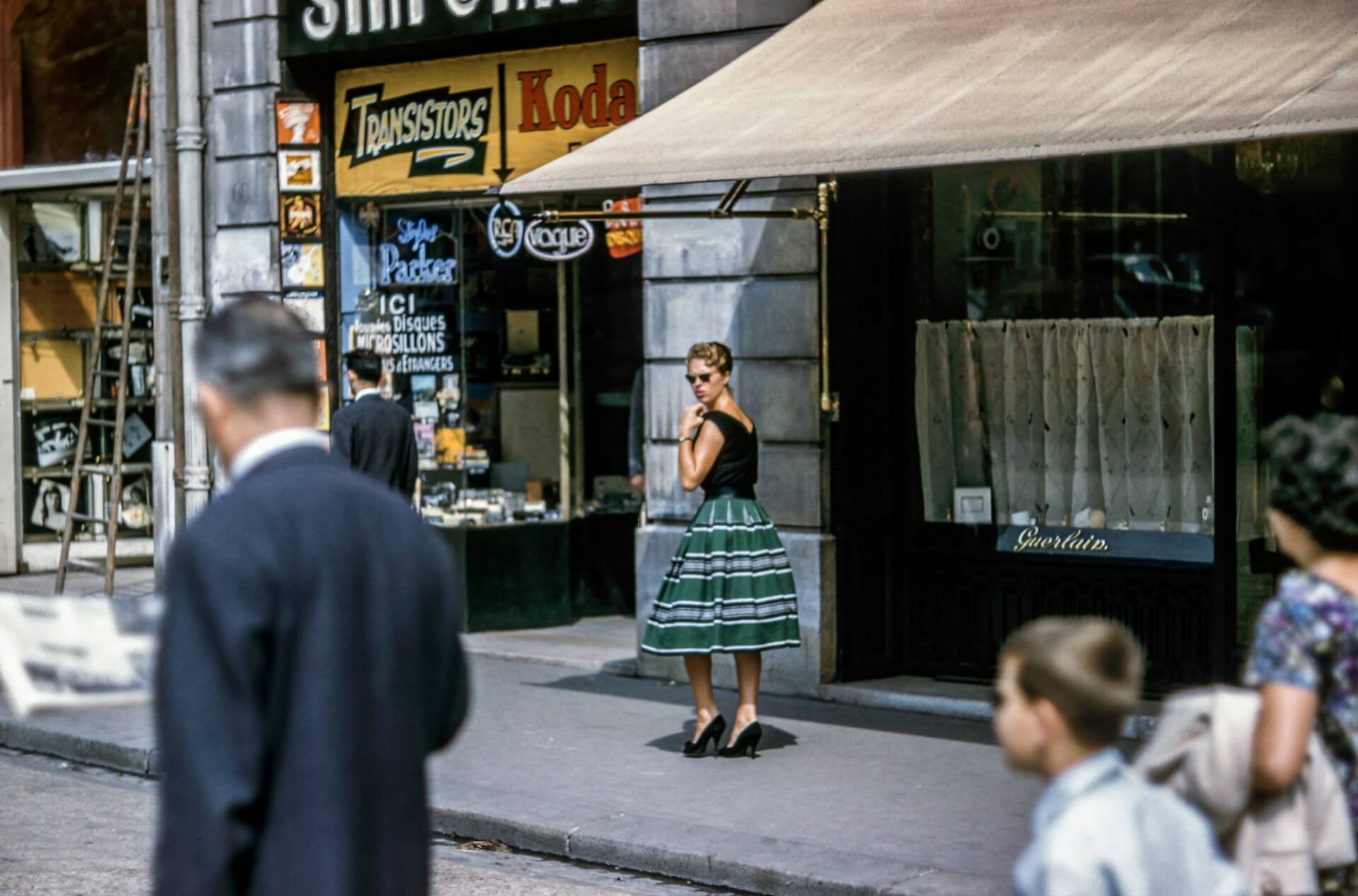
The term “vintage” entered the fashion industry in the late 1950s. It referred to styles popular two decades earlier. The fashion of previous generations revitalized the vintage market and eventually became a platform for many designers’ creativity.
This trend is vividly seen in the history of the Biba store by British designer Barbara Hulanicki. A small boutique gained widespread popularity in the 1960s due to designer clothing with vintage motifs. Eventually, the store expanded and became the first shop with a separate section for vintage items.
The biggest wave of enthusiasm for vintage came in the 1990s and 2000s. Cinema and runway stars increasingly favored unique retro looks, and vintage transitioned from high society into everyday life. Today, we see how the aesthetics of the past transform contemporary fashion. Consider the popular “boyfriend” jeans, which trace their roots back to the 1960s when Marilyn Monroe boldly wore men’s pants instead of classic dresses.
Retro, Vintage, Antique: What’s the Difference?
Today, vintage refers to clothing and accessories created between 20 and 100 years ago. Newer items fall under the contemporary category, while items over a century old are considered antiques.
It’s worth noting that not all clothing from your grandmother’s wardrobe is vintage. A genuine vintage piece must reflect the spirit of its era and have elements that were fashionable during a specific period. For example, bell-bottom pants represent the 1970s, and pencil dresses epitomize the 1950s and 1960s.
Classic vintage includes only original items. Modern clothing styled after past fashion trends can be categorized as “retro” or “neo-vintage.”
The Philosophy of Vintage in Modern Fashion
Vintage is always associated with uniqueness and special charm, which constitutes its aesthetic value. Authentic items from the past are a subtle poetry against the backdrop of everyday life. By creating a vintage look, you emphasize the uniqueness of your worldview and deepen your self-perception.
The Second Life of Items
Embracing vintage style aligns with modern ideas of responsible consumption. The textile industry accounts for 10% of the global carbon footprint. Tons of used or unsold clothing end up in landfills, causing environmental pollution and exacerbating the greenhouse effect.
According to calculations by the World Resources Institute, by 2050, large companies will use three times more natural resources for textile production if humanity does not change its approach to buying new clothes.
This is why the concept of giving items a “second life” is crucial today. Refusing excessive consumption reduces the demand for mass production. Therefore, choosing vintage clothing is your eco-conscious contribution to protecting the planet.
Secrets to Combining Vintage and Modern Clothing
Vintage fashion is an inexhaustible source of inspiration for creating unique looks. This style is appropriate not only for costume parties and themed photoshoots but also in everyday life. The key is to successfully combine modern and vintage elements. Here are some secrets to creating a vintage look:
- Choose an Era: Think about which decade’s style best reflects your taste in clothing. It could be the bright colors of the 1980s, the interesting cuts of the 1960s, or the elegance and simplicity of the 1930s. Avoid combining clothing from different eras in one look to prevent an overly eclectic style.
- Avoid Total Look: A completely vintage outfit can look eccentric in the context of everyday fashion. Therefore, when creating your ensemble, focus on details and carefully incorporate vintage elements into modern outfits.
- Remember Accessories: Stylish vintage watches, haute couture bags from past decades, and rare jewelry can beautifully enhance your look, making it unique.
There are countless ways to mix vintage clothing with modern pieces. A-line skirts and dresses pair well with loafers and sneakers, while legendary biker jackets go well with crop tops and t-shirts. Blouses with bows from the 1970s can be worn with jackets and jeans to add a touch of romance to your look. A vintage pencil dress combined with a modern clutch is a flawless option for an evening out.
Where and How to Find Vintage
The characteristics of vintage items are high quality and rarity, which distinguish them from ordinary second-hand goods. Authentic vintage clothing is rare, so finding it can be challenging. Below is a list of places where you can “hunt” for exclusive vintage items.
- Vintage Markets: In large cities, there are specialized vintage stores. A bright example is Kyiv’s Manhattan’s Babe, which offers premium items from past collections of Chanel, Giorgio Armani, Dolce & Gabbana, GUCCI, Prada, and other brands.
- Social Media and Marketplaces: Online resale has gained immense popularity. Vintage clothing is actively sold on Telegram and Instagram, as well as on marketplaces like OLX, SHAFA, and BIGL.
- Thrift Stores: In second-hand clothing stores, you can come across genuine vintage items. However, you need to be patient and prepared for long searches.
- Consignment and Charity Shops: Owners of vintage items often donate unwanted clothing to these stores.