Stress-Free Schooling: A Psychologist’s Guide to Preparing Your Child for First Grade
Stress-Free Schooling: A Psychologist’s Guide
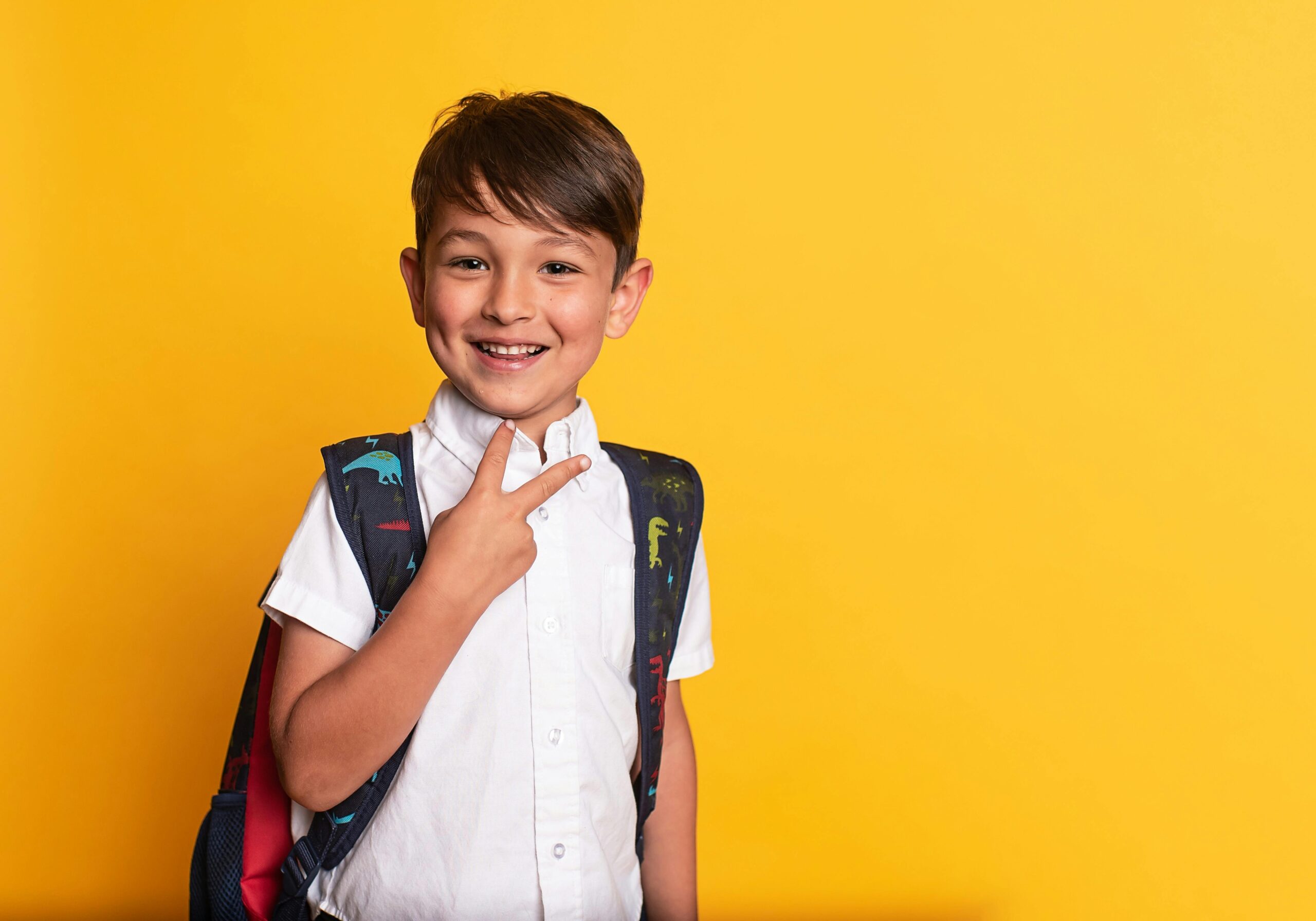
Starting school is a significant milestone in a child’s life, marking a transition from preschool to a more structured environment. This period can be challenging for both children and parents as they adapt to new routines, responsibilities, and expectations. Practicing psychologist Anastasia Urlik shares insights on how parents can psychologically prepare their child for school and help them adapt to this new phase of life without stress.
The Stressful Yet Pivotal Period of First Grade
The beginning of school is indeed a pivotal and stressful period in a child’s life. Many aspects change: daily routines, social environments, mental workload, and increased demands and responsibilities. The child takes on a new social role as a student, which comes with new expectations such as wearing a school uniform, listening attentively to the teacher, completing assignments independently, switching focus from play to study, and interacting with classmates.
For parents, the transition from kindergarten to school is also challenging. They need to adjust to the school schedule, assist with homework, manage stressful situations, and maintain communication with teachers.
Is Your Child Psychologically Ready for School? A Checklist for Parents
To determine if your child is psychologically ready for school, consider the following checklist:
- Attentiveness: Can your child focus on educational activities such as writing and reading without being distracted by toys or cartoons?
- Educational Motivation: Does your child show interest in school, role-playing teacher-student scenarios, and enjoy activities like writing exercises and counting?
- Cognitive Processes: Does your child have difficulty memorizing text, understanding cause-and-effect relationships, or concentrating?
- Communication Skills: Can your child talk about themselves (name, age, favorite games) and show interest in making new friends without displaying aggression, shyness, or anxiety?
- Emotional Self-Regulation: Can your child describe their feelings, seek support from adults, and express negative emotions without harming themselves or others?
From personal experience, parents should not worry if their child has not yet turned six before the new school year but will turn six within a month. The key is to focus on the child’s personal characteristics mentioned above, as these are crucial for successful adaptation. Keeping such a child in kindergarten for another year may worsen the situation, as repeating the same material can lead to a decrease in educational motivation.
Common Mistakes Parents Make When Preparing Children for School
- Focusing on Automatic Skills: Parents often emphasize teaching children automatic skills like letters, numbers, counting to 100, or reading 50 words per minute. Instead, it is essential to develop cognitive processes such as memory, attention, thinking, emotional and volitional spheres, communication skills, and self-regulation. Supporting a child’s interest in learning is important, but developing socio-psychological skills enables easier acquisition of new knowledge.
- Parental Unreadiness: Some parents are not ready for their child to start first grade and may express this to the child, saying things like, “I want you to stay little.” In personal conversations, it often becomes clear that such parents are afraid of the changes that come with having a first-grader, such as homework.
- Overprotection: Overprotective parents often shield their children from difficulties, preventing them from learning from their mistakes. By the age of 6-7, such children may struggle with basic tasks like dressing themselves or tying their shoelaces. This overprotective approach hinders the development of responsibility and autonomy, potentially leading to academic performance issues and low self-esteem. It can also result in learned helplessness, where children do not attempt to cope with stressful situations because they believe they are incapable.
- Prohibiting Play: Some parents believe that play is only for preschoolers and that it distracts first-graders from their primary task of learning. However, play remains a crucial activity for children aged 6-7. Many lessons incorporate play elements because children learn better and can switch between tasks more easily in a playful context. Parents should not rush the transition from play to purely educational activities, as this can increase stress and reduce learning motivation.
- Excessive Seriousness: When children start school, parents often change their attitude towards them, expecting them to be more adult-like. For example, they might say, “You are grown up now, no more cartoons or bedtime stories.” Alternatively, parents might place excessive responsibility on the child simply because they are now a first-grader, expecting them to resolve conflicts with peers independently, manage their school uniform, or pack their backpack. It is important to find a balance between treating the child as more mature while still providing appropriate support and guidance.