From Freedom to Veils: The Transformation of Iranian Women Before the Hijab Mandate
From Freedom to Veils: The Transformation of Iranian Women Before the Hijab Mandate
As Iran grapples with mass protests fueled by economic turmoil and political unrest, it’s essential to reflect on the stark contrast between the Iran of today and the Iran of just a few decades ago. The recent protests, sparked by a 42% inflation rate, have led to thousands of arrests and numerous deaths. Amidst this chaos, we revisit the story of Nasrin Sotoudeh, a human rights lawyer sentenced to 38 years in prison and 148 lashes for advocating women’s rights and opposing the mandatory hijab.
The Era of Freedom and Western Influence
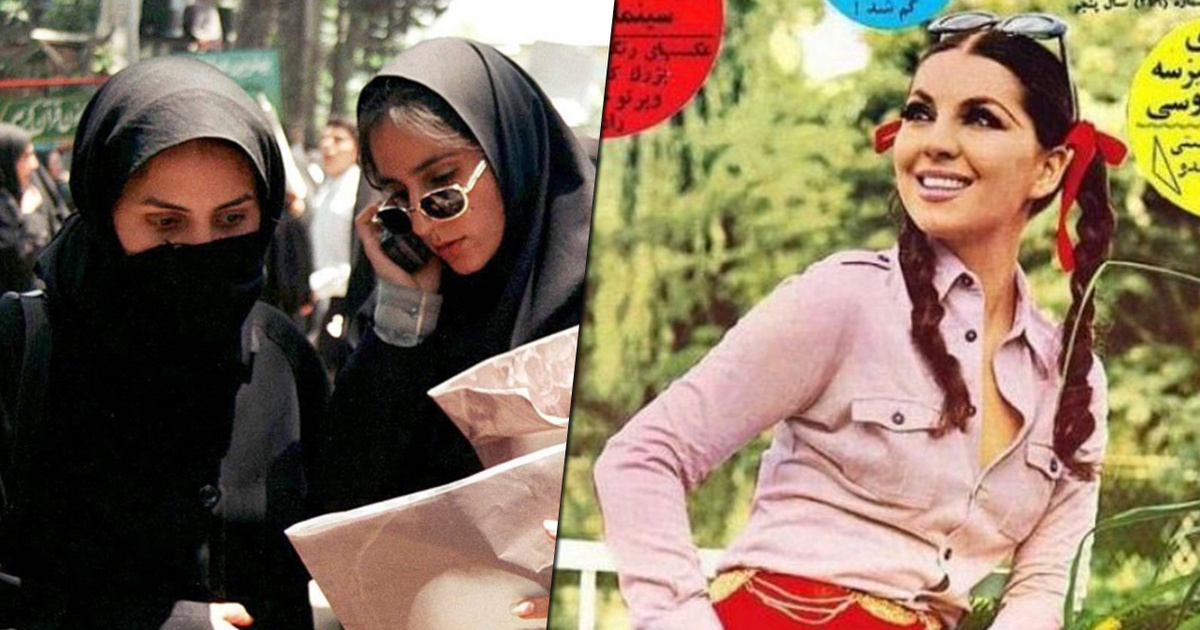
Before the Islamic Revolution of 1979, Iran was a vastly different country. Under the rule of Shah Mohammad Reza Pahlavi, Iran was a secular state with a strong Western influence. Women enjoyed freedoms that are unimaginable today. They could wear miniskirts, pose in lingerie for magazines, and freely interact with men. Iranian women were symbols of emancipation and progress in the Middle East.
Icons of a Bygone Era
One of the most famous actresses of that time, Forouzan, was a symbol of this freedom. She starred in films and graced magazine covers in outfits that were considered daring even by Western standards. However, after the Islamic Revolution, she was forced to abandon her career and lived in obscurity until her death in 2016.
Another influential figure was Empress Farah Pahlavi, the third wife of the Shah. Known for her elegance and intelligence, she was often compared to Jacqueline Kennedy. Farah Pahlavi was not just a beautiful first lady; she was a patron of the arts and played a crucial role in the cultural development of Iran. After the revolution, she and the Shah found temporary refuge in Egypt before eventually settling in the United States.
A Society Transformed
It’s hard to believe, but just 50 years ago, Iranian women were among the most emancipated in the Middle East. Tehran was compared to progressive European capitals. Western-style clothing, short dresses, and open swimsuits were the norm. Women freely pursued education, visited public pools with men, and swam without restrictions. The hijab was considered a relic of the past.
Today, in a country where women can be imprisoned or lashed for appearing in public without a headscarf, these past freedoms seem like a distant dream. The Islamic Revolution of 1979 changed the face of Iran forever, imposing strict religious laws that have reshaped society.
Life Before the Revolution
Let’s take a closer look at what life was like for Iranian women before the Islamic Revolution. Photographs from that era paint a vivid picture of a society that was open, progressive, and free. Women dressed in the latest Western fashions, attended universities, and participated in all aspects of public life. They were not just equal to men; they were celebrated for their contributions to society.
In contrast, the Iran of today is a stark reminder of how quickly freedoms can be lost. The mandatory hijab is just one symbol of the broader restrictions that women face. From limited educational opportunities to strict dress codes, the lives of Iranian women have been dramatically altered.
For more information on the history of Iran and its cultural transformations, you can visit Britannica’s comprehensive guide on Iran.