Sauerkraut: A Nutritious Boost for Your Immune System
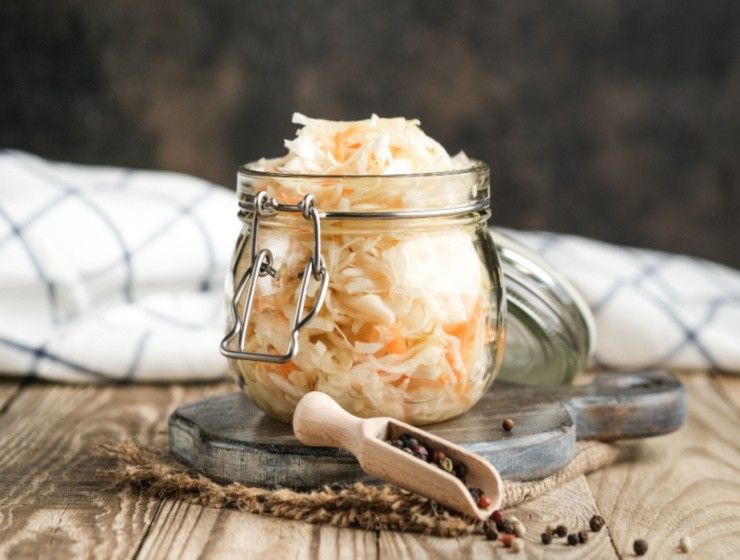
Sauerkraut: A Nutritious Boost for Your Immune System
Sauerkraut is a powerhouse of essential vitamins and minerals. Rich in vitamins C, E, and B, it also provides a significant source of minerals like magnesium, potassium, and phosphorus. Additionally, sauerkraut is high in dietary fiber, making it an excellent addition to any diet.
Sauerkraut and Immunity
In 2020, amidst the COVID-19 pandemic, a smartphone app called Zoe Covid Symptom Study gained popularity in London. This app tracked the health and lifestyle habits of its users, collecting data from approximately 4.5 million people. Researchers from Harvard and King’s College analyzed the relationship between diet and COVID-19 outcomes. They found that a diet rich in vegetables, like sauerkraut, could reduce the risk of hospitalization by 40% if infected with SARS-CoV-2. While vaccination remains the most reliable way to combat the virus, a healthy diet undoubtedly strengthens the immune system.
The Origin of Immunity
Our innate immunity is based on the body’s ability to recognize and neutralize pathogens. White blood cells play a crucial role in this process, either by engulfing invaders or releasing substances that neutralize them. The effectiveness of this system is influenced by the bacteria in our gut. A stronger gut flora leads to a more robust immune response.
We inherit our initial gut flora from our mothers during birth and breastfeeding. Children born via C-section and fed with formula may have a less optimal starting point compared to those born naturally and breastfed. Throughout life, various factors, including medication and diet, can affect our gut flora.
What Do Gut Bacteria Love?
Prolonged antibiotic therapy can sterilize the gut, stripping us of our immunity. Additionally, processed foods and sugar-rich diets can deplete the gut bacteria that thrive on fiber and fermented foods. Historically, humans consumed fresh, dried, or slightly fermented foods, which are beneficial for gut bacteria. Scientific research supports this dietary approach.
Caloric Content of Sauerkraut
Sauerkraut is incredibly low in calories, with only 16 kcal per 100 grams. A typical serving of 110 grams contains about 18 kcal. Despite its low caloric content, sauerkraut is packed with nutrients, including 15 mg of vitamin C, calcium, iron, phosphorus, fiber, and beneficial bacteria like Lactobacillus, which convert sugar into lactic acid. It also contains phytoncides, natural antibiotics that fight fungi and harmful bacteria. However, due to its low pH, sauerkraut is not recommended for those with high stomach acidity or ulcers.
Is Sauerkraut Good for Weight Loss?
Yes, naturally fermented sauerkraut can aid in weight loss. The probiotic bacteria in sauerkraut break down sugar into lactic acid and support gut bacteria responsible for digestion. The high fiber content in sauerkraut also promotes a feeling of fullness. When purchasing sauerkraut, it’s essential to check the label for additives like sorbic or benzoic acid, which are used to speed up fermentation and enhance flavor. Avoid products with added acetic acid and opt for certified organic sauerkraut to ensure natural fermentation.
How to Make Sauerkraut
Here’s a simple recipe for making sauerkraut in jars, which can be stored in the refrigerator and enjoyed regularly. For long-term storage, a cellar or cool room with temperatures below 15°C is ideal.
Ingredients:
- 1 head of cabbage (about 2.5 kg before cleaning and shredding)
- 2 carrots
- 40 g of non-iodized stone salt
- 2 level teaspoons of caraway or mustard seeds
- 5 jars of 500 ml each (or 2-3 larger jars)
Instructions:
- Remove any damaged leaves from the cabbage, quarter it, and finely shred it, leaving the core intact.
- Peel and grate the carrots.
- Weigh the cabbage and carrots, and place them in a large bowl. Add 20 grams of salt per kilogram of the cabbage-carrot mixture.
- Add the caraway or mustard seeds and mix well.
- Begin to pound the cabbage mixture with your fist or a wooden tamper until it releases juice. Pound for a few minutes, then let it rest for 30 minutes. Repeat this process several times until the cabbage releases enough juice.
- Sterilize the jars and lids with boiling water.
- Pack the cabbage mixture tightly into the jars, ensuring it is covered with its juice. Leave about 20% of the jar’s height empty.
- Slightly screw on the lids and place the jars in a dark place, preferably on a tray lined with a paper towel, as the jars may leak during fermentation.
- After 2-3 days, the lids may bulge due to the release of CO2. If this happens, open the jars, repack the cabbage, and reseal them.
- The fermentation process takes about 7 to 14 days. After 7 days, open a jar and taste the sauerkraut. If you prefer a less sour taste, you can refrigerate the jars to slow down the fermentation process. If you prefer a more sour taste, leave the jars at room temperature for a few more days.
Enjoy your homemade sauerkraut and boost your immune system naturally! For more information on the benefits of fermented foods, you can visit this authoritative source.