Clementine Ford’s Heartfelt Quest: Unraveling Love’s Many Splendors
A Tale of Love
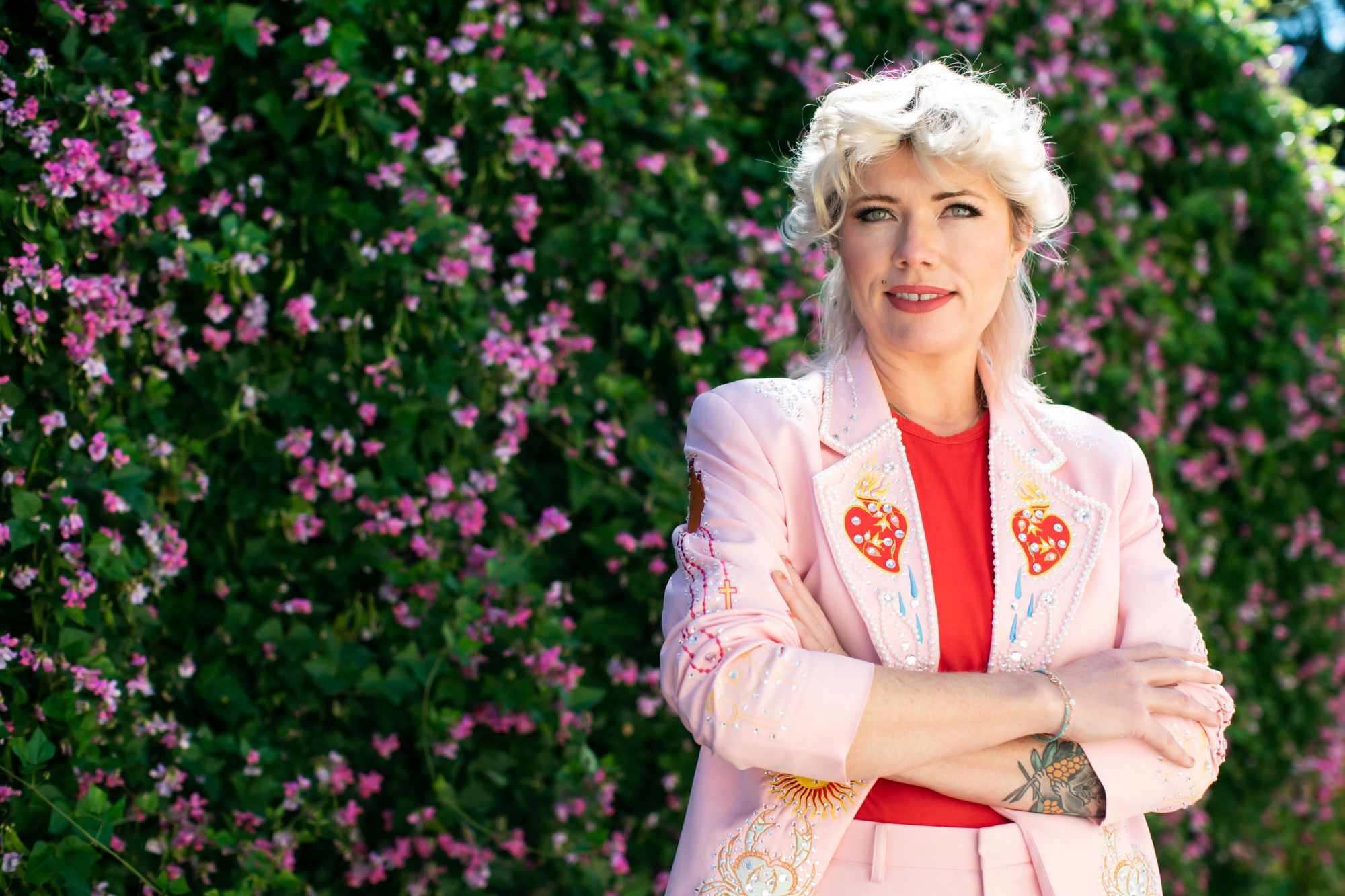
This isn’t just a story about romantic love, though it certainly has its place. In her latest novel, How We Love: Notes On A Life, Australian author, broadcaster, and public speaker Clementine Ford takes us on a journey through familial love, friendship, self-love, and the complexities of life that don’t always return our affections.
Reflective Chapters
In six introspective chapters, Clementine, or Clem as she likes to be called, opens up about unrequited childhood crushes, the loss of her mother to cancer, the roller-coaster of childbirth, and her separation from her son’s father.
A Long-Time Admirer
Full disclosure: I’ve admired Clem’s work for years. Ever since I read her column in The Sydney Morning Herald, where she questioned the tradition of women changing their surnames after marriage, I’ve been captivated by her honesty and bravery. Clem’s words struck a chord with me: “Women are treated as if the names we have are on temporary loan, given to us to use until another man bestows on us the one that will become our new and true identity.” Here was a woman unafraid to tackle important issues head-on.
A Feminist with a Tender Side
Over the years, Clem’s refusal to ignore injustices has become her full-time job, as seen in her numerous columns, Twitter engagements, and best-selling books like Fight Like A Girl and Boys Will Be Boys. Speaking with Clem is a delight. She’s on the phone from Melbourne, her voice carrying only a slight Australian accent as she apologizes for rescheduling our interview.
“I started running at the end of the last lockdown but haven’t done so for six months,” she explains. “I woke up this morning and knew I needed to run for my mental health. I’m so sorry for the inconvenience.”
I assure her that it’s a valid excuse, given the current state of the world and her well-documented mental health struggles.
“I feel amazing after a run,” she admits.
A Change of Course?
I ask Clem about her third book and whether it represents a change in direction. “I find it interesting that people say I’ve pivoted, because I’ve only done so insofar as this book is about love,” she says. “People don’t associate feminists, especially outspoken women who challenge norms, with softness. It’s easier to assume we’re brittle and hostile, but the reality is that caring about women’s equality and social justice is the opposite of hate. It’s about being filled with love for other people, for the world, and for what you think the world can look like.”
Clem has always been open about her softer side. “I’ve written quite a bit of memoir, about my mother’s death, about grief, resilience, and motherhood. So I haven’t really changed direction, but people haven’t wanted to see that side of me because once you accept that a hardcore feminist is a human with fears and vulnerabilities, you might actually have to listen to what she has to say instead of writing her off as a shrew.”
The Vulnerability of Writing
Still, writing about love was harder than Clem imagined. “I made the mistake of thinking it would be easy to write this book because there was no research involved; it’s just my story,” she says. “When I wrote Boys Will Be Boys, I spent hours researching horrific circumstances of sexual violence and patriarchy and then had to go home and be a loving mother to my 18-month-old son (he’s now five). Carrying around that trauma is tough. But with this book, when you don’t have research to hide behind, what you’re really saying is, ‘I’m going to bare my soul and hopefully you’ll find it moving but also a bit funny.’ It’s an incredibly vulnerable position to be in.”
This vulnerability was particularly challenging when revisiting her past selves: the 15-year-old Clem experiencing her first crush, the 20-something navigating an intense friendship, and the 30-something struggling with “mother rage.” “I’m raising a newborn on my own, I haven’t slept for days, I’m trying to feed this baby who won’t stop screaming, and I don’t have anyone to help. In my head, I can see myself throwing the baby against the wall. Of course, I don’t, but it’s the scariest thing that no one ever talks about because there’s so much shame surrounding it.”
Relatable Experiences
Clem’s experiences are incredibly relatable. “I wanted this book to resonate with anyone who’s ever been in love, lost love, or been hurt by another human being. Basically, anyone who moves through society. I hope this book feels like a hug in a time when we need it most.”
It’s a quintessentially Clem thing to say, but her mission was also to debunk the “condescending fairy tale endings” many of us are fed as young girls. “There’s no happily ever after in this book the way we’ve been taught—that once a woman has met her soulmate, she’s made it. That’s rubbish for most people and a belief that can trap us into a life of service for someone else.”
Expanding the Notion of Love
Instead, Clem believes we should expand our concept of love and the kind of love that makes us happy. For her, that’s a love of family, friends, and her son “that’s so much richer than any romantic love I’ve ever experienced.”
Courage and Criticism
Whatever your view of Clem, she doesn’t lack courage. Given the softer nature of this book, the haters have been quieter than usual. But that could be because Clem has pretty much excused herself from the toxic Twitter table.
Her infamous 2020 tweet about men not dying fast enough from COVID-19 (in reaction to an article about gender disparities in parenting children during the pandemic) was like catnip for social media trolls, who called her a man-hater, a frigid, bitter old bitch, and an ugly, hairy lesbian. She subsequently apologized but it was enough to warn her off the platform she calls “the most toxic public space on earth.”
“It was a terrible tweet and I shouldn’t have made it. I only go on Twitter now to retweet something, and even then, the trolls have a go. One of the best things I ever did for my mental health and output was to get off Twitter, which means I wake up every morning without wondering what the fight is going to be today.”
Much like her latest novel, Clem continues to challenge and inspire, offering a fresh perspective on love and life.