Transform Your Garden into a Delicious Paradise with Edible Flowers
Transform Your Garden into a Delicious Paradise with Edible Flowers
Lynda Hallinan grows flowers that are not only beautiful but also delicious. However, her ravenous Labrador, Cricket, finds them irresistibly tempting. You are what you eat, but no one could accuse Cricket of being a delicate flower. This lockdown Labrador puppy has tried to eat everything from shoes to Nerf gun ammunition, vintage blankets, dining table legs, and even an entire loaf of freshly baked sourdough.
The Canine Composter
Left unattended in the garden, Cricket becomes a canine composter. He has sharpened his teeth on antique seed dibbers, chomped through bags of seed potatoes, eaten the fingers off gardening gloves, and filled his stomach with grass clippings, seemingly mistaking the ride-on lawn mower for a food truck. At just 11 months old, Cricket has already racked up thousands of dollars in veterinary bills, often due to his dietary indiscretions.
Protecting the Garden
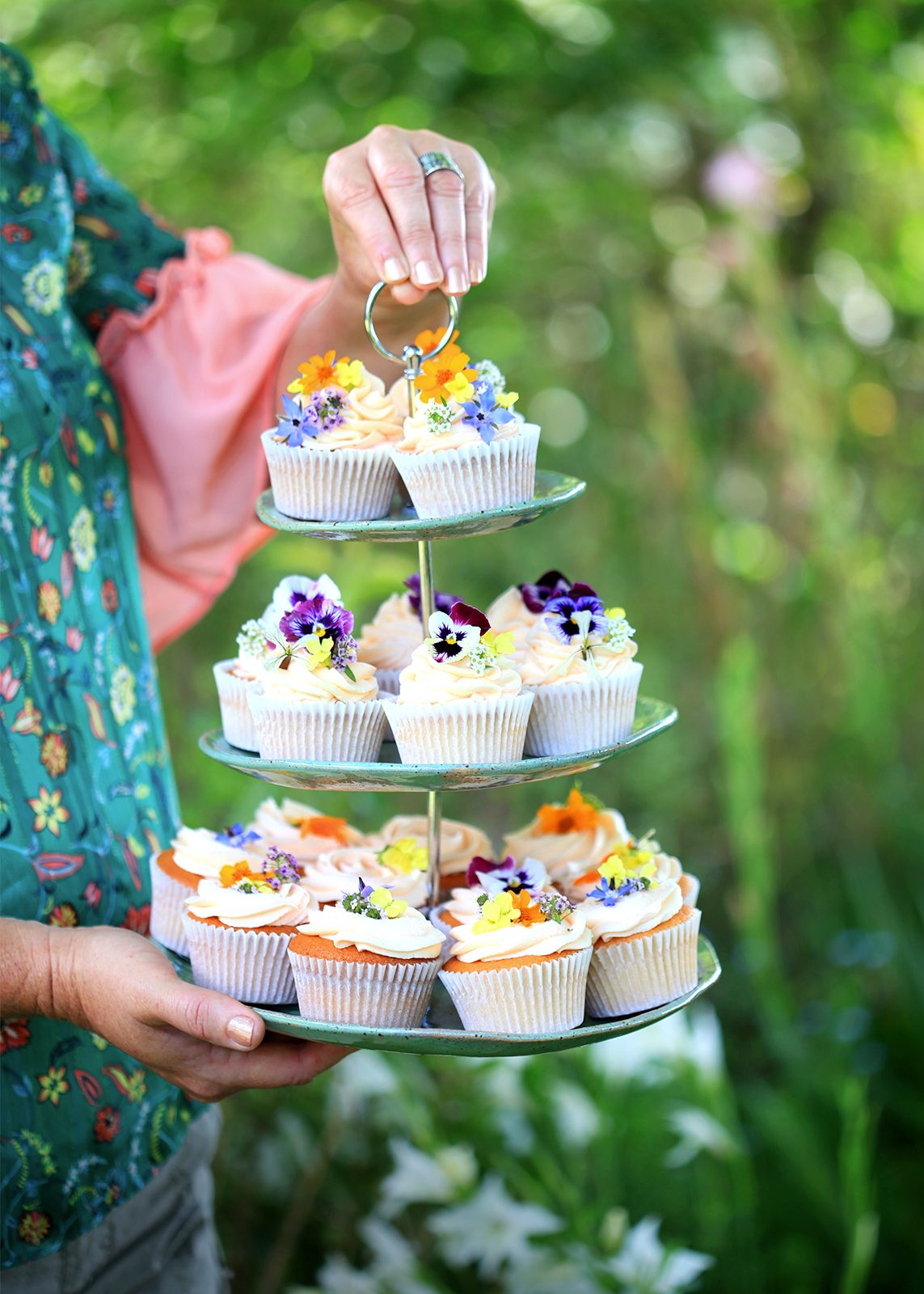
To protect her vegetable patch from Cricket’s antics, Lynda has ring-fenced it with ugly plastic netting. This has had an unintended consequence: Cricket now considers every basket of produce that emerges from behind the fence as forbidden fruit. For example, during a photo shoot, while Lynda was arranging sweet alyssum, pansies, rocket, and borage petals on cupcakes, Cricket ate the pot marigolds (Calendula officinalis).
The Versatility of Calendula officinalis
Calendula officinalis is known for its healing properties and is used in skin creams and balms, as well as a natural colorant. The petals can be used fresh or dried; fresh petals can be scattered over salads, while dried petals can add a golden glow to rice dishes and herbal infusions. In 2008, Calendula officinalis was named the International Herb of the Year.
Growing and Using Edible Flowers
The common orange calendula is widely grown, but pot marigolds also come in shades of bronze-red, peach, yellow, and sunset pink. They self-sow generously, though subsequent generations may revert to orange. Calendulas prefer cooler weather and can be affected by mildew in summer. However, the Mexican marigold, Tagetes lemmonii, thrives in the heat and flowers almost year-round with bright yellow single flowers. Both flowers and foliage have a strong citrus/mint scent and can flavor a jug of water.
Other Edible Flowers
Other edible flowers include coriander, rocket, radish, and the wee buttery-yellow blooms of brassicas. Clove pinks, roses, cornflowers, lemon bergamot, nasturtiums, Scarlet Runner beans, and peas can also be used as edible garnishes. Flowering herbs like chives, English lavender, thyme, basil, and oregano can be eaten, with their blossoms imparting a milder flavor than their foliage. These flowers can be lovely with light desserts such as panna cotta, sorbet, and mousse.
Borage: The Photogenic Edible Flower
The star-shaped blue flowers of borage are highly photogenic, especially when encased in ice cubes for summer drinks. Borage flowers are often described as tasting like cucumber, but the flavor is delicate. However, borage seeds sprouted as microgreens do taste like old-fashioned telegraph cucumbers, making them a fun way to trick children’s taste buds.
Edible Gardens for Pets
If you want to plant an edible garden for your pets, consider rosemary, oregano, peppermint, basil, and curly-leafed parsley. These can be chopped into homemade dog treats along with calendula petals, which promote a shiny coat.
Harvesting Tips
- Pick edible flowers from organic gardens to avoid contamination from pesticides and herbicides.
- Harvest flowers early in the morning, as soon as the dew has dried.
- Only eat the petals; remove any stems and green parts as they will taste bitter.
- Store edible flowers in a single layer on top of a moist paper towel inside an airtight plastic container in the fridge.
- If unsure about a flower’s edibility, err on the side of caution and never eat anything you can’t identify.
For more information on edible flowers, you can refer to authoritative sources like The Old Farmer’s Almanac.