Mastering Multilingual Parenting: A Masterton Mum’s Inspiring Journey
Mastering Multilingual Parenting: A Masterton Mum’s Inspiring Journey
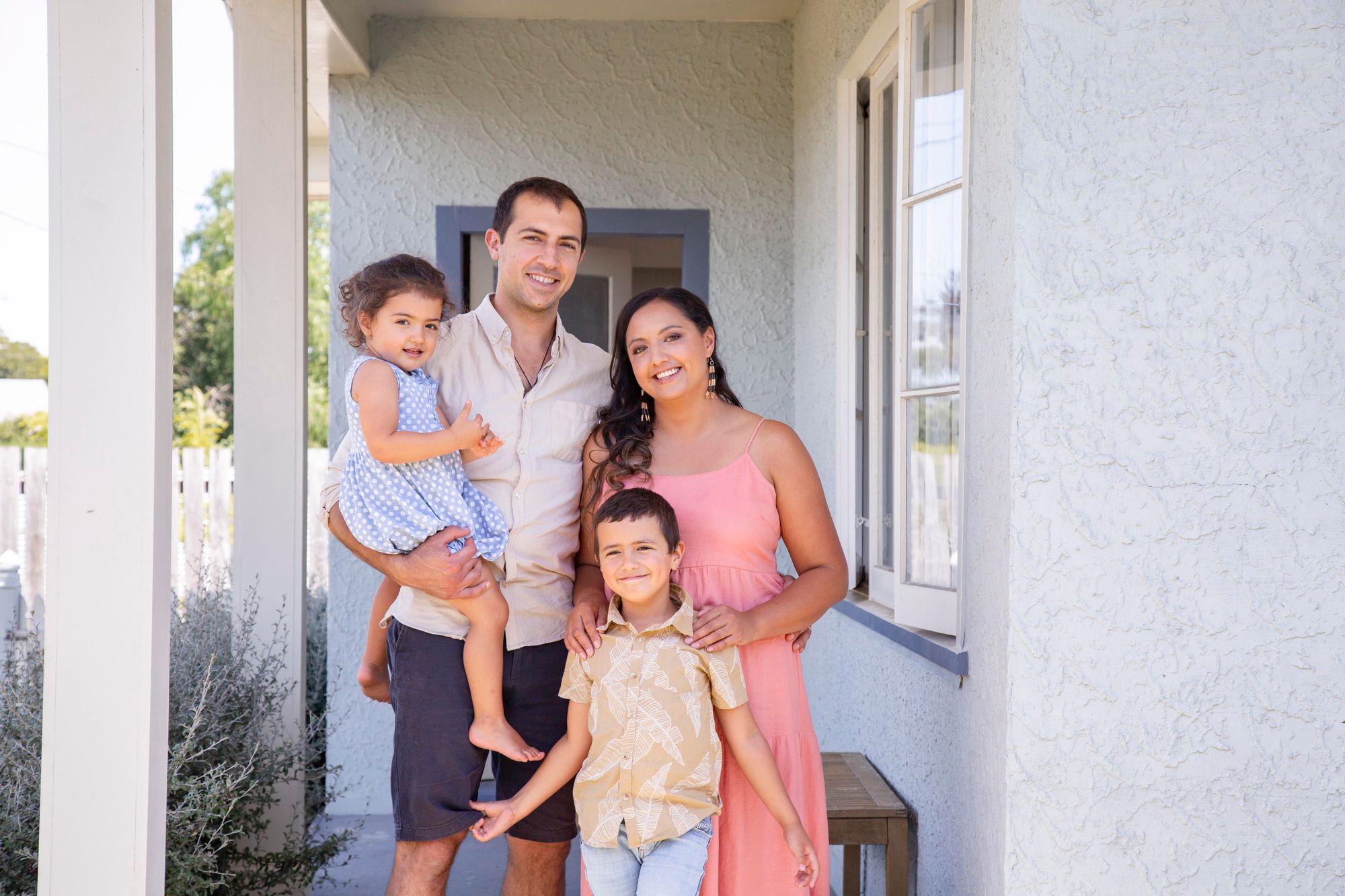
Meet Te Ataahia Hurihanganui, a remarkable mother from Masterton who is on a mission to raise her children as trilingual speakers. While most parents struggle with teaching their kids one language, Taahia is effortlessly nurturing her children to be fluent in three: English, Te Reo Māori, and Italian.
The Language of Love
In Taahia’s household, Italian is the primary language, thanks to her husband Davide Castorina. English comes naturally in a predominantly English-speaking country, and Te Reo Māori is also easily accessible due to Taahia’s fluency, her husband’s conversational skills, and the support of their reo-friendly Montessori school and native-speaking grandparents.
“It feels unnatural for us to speak in English or in Māori to each other,” Taahia admits with a laugh. “We did that purposefully knowing that English is going to happen regardless, and because all of my whānau speak te reo, they would also have access to that.”
The Challenge of Balancing Languages
The downside to focusing on Italian is that the family’s Te Reo Māori has started to slip. To combat this, Taahia has introduced “whāriki time,” an immersive language experience where the family spends an hour every Monday afternoon speaking only in Te Reo Māori. They use games and taonga to make the experience fun and engaging for the kids.
“It’s beautiful because they’re very culturally grounded, so they know totally who they are, and they’re now learning how to articulate that, which is really special,” Taahia says.
A Love Story Steeped in Language
Taahia’s love for language began in her childhood. Born into a staunch, reo-speaking whānau, she was surrounded by Te Reo Māori at home, kōhanga reo, and kura kaupapa. Her family moved to Wellington when she was nine, where she continued her language journey.
Her passion for languages grew when she went on a year-long exchange to Costa Rica, becoming fluent in Spanish and developing a deep love for travel and different cultures. Italian came into the picture when she met her husband, Davide, in a serendipitous encounter at a café in Wellington.
“He said something like, ‘Do you have everything you need that’s in the window?’ And he was pointing at the cabinet,” Taahia recalls. “It was love at first… voice? Then I saw him and I just thought he was bloody beautiful.”
A Family United by Language
Today, Taahia and Davide’s children, Mario and Māreikura, are fluent in Italian and can effortlessly switch between English, Māori, and Italian. This skill is particularly useful during family Zoom calls, especially with Davide’s family still in Rome.
Taahia’s story is a testament to the power of love, language, and cultural identity. Her journey inspires other parents to embrace multilingualism and celebrate the beauty of different cultures.
The Benefits of Multilingualism
Research has shown that multilingualism has numerous benefits, including:
- Improved cognitive skills and mental flexibility
- Enhanced memory and attention span
- Better problem-solving and critical-thinking skills
- Increased cultural awareness and sensitivity
- Improved job prospects and career opportunities
By raising her children as trilingual speakers, Taahia is giving them a gift that will last a lifetime.
Tips for Raising Multilingual Children
If you’re inspired by Taahia’s story and want to raise multilingual children, here are some tips to get you started:
- Start early: The younger the child, the easier it is for them to learn a new language.
- Create a language-rich environment: Surround your child with books, music, and conversations in the target language.
- Be consistent: Use the target language consistently, whether it’s at home, school, or during specific activities.
- Make it fun: Use games, songs, and stories to make language learning enjoyable.
- Embrace your culture: Celebrate your cultural heritage and share it with your children.
For more information on the benefits of multilingualism, you can visit HealthyChildren.org.