Master the Art of Topiary: Best Plants, Shapes & Pro Tips
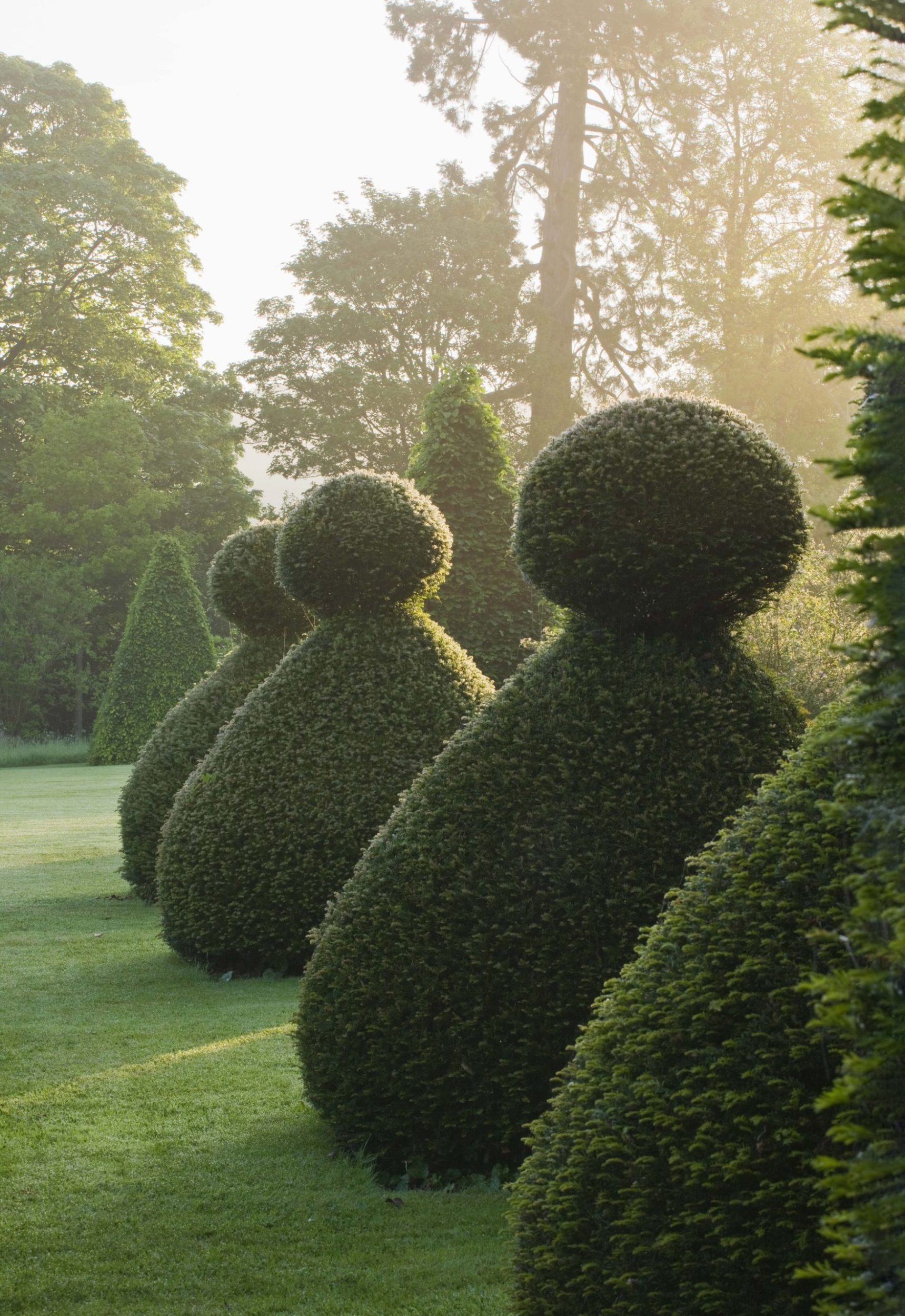
Unleash Your Inner Topiary Artist: Best Plants, Shapes & Pro Tips
Ever dreamed of creating your own living sculptures? Welcome to the enchanting world of topiary!
My Topiary Adventure
Growing up in Napier, I was always fascinated by garden art. From miniature windmills to wishing wells, and even painted concrete seals balancing balls on their noses (I still want one!), these creations sparked my imagination. But nothing captivated me more than topiary. I vividly remember a shrub meticulously clipped into the shape of a dolphin, with a vibrant rubber ball on its beak. And who could forget the city’s floral clock, with its living Roman numerals? These plant sculptures were more than just gardens; they were neighborhood landmarks, bursting with creativity, fun, and life.
The Rich History of Topiary
Topiary has been a beloved garden art form for centuries. The Romans pioneered it in the 1st century, and by the 16th and 17th centuries, it had become a sensation across Europe and England. From sculpted trees to intricate parterres and grand mazes, topiary has taken many forms. Even Disneyland embraced the trend in 1963, with Walt Disney creating monster topiaries of waltzing hippos, elephants, and giraffes, inspired by his European travels.
Topiary Styles: From Classic to Whimsical
Topiary comes in as many styles as there are haircuts. Traditional Italian and French gardens often feature strong geometric shapes like pyramids, squares, balls, and cones. These evergreen structures add a sense of order and symmetry to your garden. But topiary can also bring a touch of whimsy to more natural gardens. Imagine a drift of dreamy red poppies growing beside a mass of clipped teucrium balls, or even a topiary shaped like your family pet—or a unicorn!
Getting Started with Topiary
Ready to create your own topiary masterpiece? Start with a well-proportioned plant that has dense growth near its base. Depending on the shape you want (pyramids, balls, and cubes are the simplest), trim any protruding stems. As the plant grows, clip it into shape. For standards like lollipops, choose one upright shoot as the main stem and remove the others until it reaches your desired height. For complex forms like animals, bend wire mesh into the desired shape and place it over your plant. As the plant grows, clip the tips of the branches that protrude through the mesh. The bush will gradually fill in the frame, and you can maintain its shape as you desire.
The Best Plants for Topiary
The best plants for topiary have a naturally dense growth habit, are evergreen, and respond well to pruning. Here are some top choices:
- Box (Buxus sempervirens): The most popular topiary plant, but be aware of box blight, a fungal disease that can be challenging to control.
- Bay, Yew, Juniper, and Rosemary: These plants are also excellent for shaping.
- Native Plants: Don’t overlook suitable native plants like coprosmas, corokia, and tōtara.
- Muehlenbeckia astonii: With its naturally bouncy mounds, this plant lends itself well to whirls, swirls, and Moomin-like shapes.
For more information, visit Royal Botanic Gardens Victoria.