9 Powerful Herbs to Calm Scalp Inflammation & Revive Your Hair Naturally
Why Scalp Inflammation Is Wrecking Your Hair (And How to Fix It)
Let’s face it—no one wants to deal with an itchy, flaky, or inflamed scalp. Beyond the constant discomfort, it can leave your hair looking dull, brittle, or even cause it to thin out. The good news? Nature has some serious solutions. For centuries, herbs have been used to soothe irritation, restore balance, and bring life back to tired, damaged hair. But before you jump into remedies, it’s smart to understand what’s really going on under the surface.
What’s Behind Your Scalp Inflammation?
While “scalp inflammation” isn’t a formal medical diagnosis, it’s often a sign of underlying issues like:
- Seborrheic Dermatitis: Red, scaly patches that may look greasy or swollen. Scratching can lead to flakes (aka dandruff) and serious itchiness.
- Folliculitis: Tiny, acne-like sores on the scalp, often caused by bacterial or fungal infections.
- Scalp Ringworm: A fungal infection that creates a red, itchy rash with a scaly texture. It can also cause patchy hair loss.
- Psoriasis: Thick, scaly lesions that may crack, bleed, or cause significant discomfort.
If left untreated, some of these conditions can lead to permanent hair loss. That’s why it’s crucial to see a doctor if you notice thinning, pain, or severe irritation. In many cases, though, natural herbs can help manage mild to moderate inflammation—without the harsh chemicals found in some commercial products.
9 Best Herbs to Soothe Scalp Inflammation & Boost Hair Health
Herbs aren’t just old-school wisdom—they’re packed with anti-inflammatory, antimicrobial, and antioxidant properties that can transform your scalp (and your hair). Here are the top nine to try:
1. Rosemary: The Circulation Booster
Rosemary isn’t just for seasoning your roasted potatoes—it’s a powerhouse for your scalp. This herb is a natural anti-inflammatory and antimicrobial, making it perfect for tackling itchiness and flaking. To use it, massage a few drops of rosemary oil into your scalp for 5–10 minutes before shampooing. The massaging action stimulates blood flow, which can promote healthier hair growth. Most people see improvements within a month, with full results after about four months of consistent use.
2. Lavender: The Scalp Soother
Lavender oil (from Lavandula angustifolia) is a triple threat: anti-inflammatory, antimicrobial, and antiseptic. It balances oil production, soothes irritation, and even strengthens new hair growth. Its antibacterial properties help heal infections and reduce inflammation. Bonus? It can also help with hair regrowth if you’re already experiencing thinning. Just dilute a few drops in a carrier oil (like coconut or jojoba) and apply it to your scalp.
3. Saw Palmetto: The Hair Loss Fighter
Saw palmetto is a popular ingredient in hair supplements, but it works just as well on its own. The berries from this plant are packed with nutrients that combat inflammation and may even slow hair loss. You can take it as a supplement—just be patient, as it can take about two months to see results. A word of caution: Too much can upset your stomach, so stick to the recommended dose.
4. Aloe Vera: The Miracle Moisturizer
Aloe vera is like a tall drink of water for your scalp. The gel inside its leaves is loaded with vitamins and anti-inflammatory compounds that soothe irritation and hydrate dry skin. Studies have shown it’s especially effective for seborrheic dermatitis. For best results, massage pure aloe vera juice or gel into your scalp before shampooing. You’ll likely notice a difference in your scalp’s comfort almost immediately, with hair benefits following over time.
5. Dandelion Root: The Inflammation Buster
Don’t let the “weed” label fool you—dandelion root is a scalp superhero. It’s fantastic for reducing inflammation, especially for conditions like seborrheic dermatitis, and can help banish dandruff. The easiest way to use it? Brew it into a tea and drink it regularly. Many people start seeing improvements within just two weeks.
6. Peppermint: The Itch Reliever
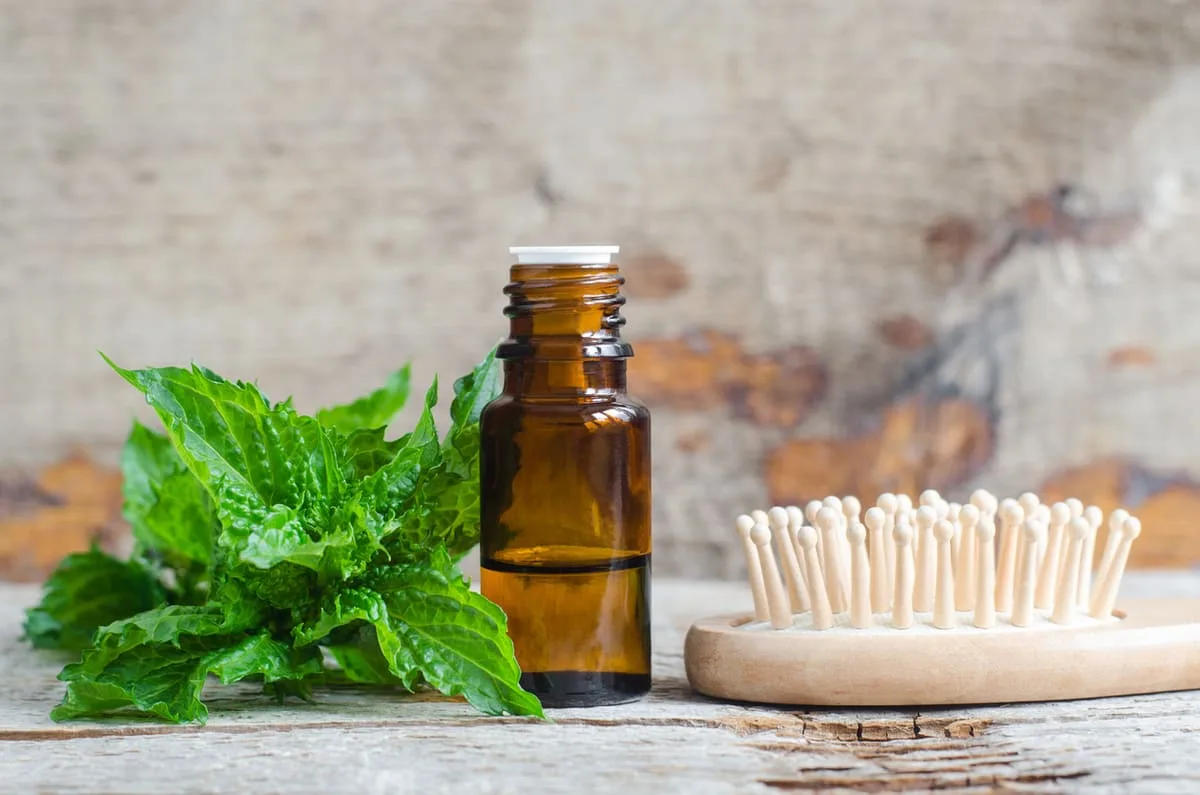
Peppermint oil is a game-changer for scalp health. It boosts blood circulation (which can encourage hair growth), fights fungi, and calms inflammation. The cooling sensation also helps relieve itchiness. To use it, dilute peppermint oil with a carrier oil and apply it directly to your scalp. Just be sure to do a patch test first—peppermint can be strong!
7. Red Thyme: The Antiseptic Powerhouse
Red thyme is a natural antiseptic with serious anti-inflammatory properties. It’s particularly effective for dandruff and seborrheic dermatitis. For an extra boost, combine it with lavender and rosemary oils in a scalp treatment.
8. Maritime Pine Bark Extract: The Circulation Champion
Also known as Pycnogenol, maritime pine bark extract is a supplement that supports your immune system and improves circulation. Better blood flow means a healthier scalp and less inflammation. It’s a great option if you’re looking for an internal solution to scalp issues.
9. Turmeric: The Golden Healer
Turmeric has been used for thousands of years in both medicine and cooking. Its active compound, curcumin, is a potent antioxidant and anti-inflammatory agent. This makes turmeric a fantastic choice for preventing scalp issues and the hair loss that can come with them. You can use it in a paste (mixed with water or coconut oil) and apply it to your scalp, or take it as a supplement.
More Herbs to Explore
If you’re curious about other natural options, there are plenty to choose from. Herbs like hibiscus, moringa, aritha (soap nuts), and basil are packed with antioxidants and vitamins that improve scalp and hair health. Burdock, calendula, chamomile, fenugreek, ginger root, hops, horsetail, nettles, parsley, sage, thyme, and yucca root are also worth considering.
A Word of Caution
While natural remedies can be incredibly effective, they’re not always a substitute for medical treatment. If your scalp inflammation is severe, painful, or accompanied by significant hair loss, it’s important to consult a healthcare provider. Some herbs can also interact with medications, so always check with your doctor before starting a new herbal regimen.
For more information on scalp health, you can refer to resources from the American Academy of Dermatology.