7 Surprising Habits That Are Making You Age Faster – Are You Guilty?
Turn Back the Clock: Avoid These Aging Accelerators
While we can’t change certain aspects of aging like genetics and the passage of time, there’s plenty we can do to influence how we experience it. Eating healthy foods, staying active, and keeping our minds sharp are all proven ways to reduce the negative effects of growing older. Lifestyle changes are helping people stay vital and connected longer than ever before.
7 Habits That Make You Age Faster
However, some habits have the opposite effect, shortening our lifespan and making it harder to stay active and engaged. Here are seven common habits that might be accelerating your aging process:
Overdoing Your Morning Brew
Your morning cup of coffee might feel like a burst of sunshine, and in many ways, it is. Moderate coffee consumption is a great way to start the day. It can boost your memory and cognitive abilities, lower your risk of Alzheimer’s disease, and even help fight off diabetes and depression.
But too much coffee can also make you look older. Caffeine dehydrates your body, leading to dry skin, collagen loss, and wrinkles. Plus, it’s addictive. For daily coffee drinkers, missing that morning cup can lead to headaches, brain fog, and irritability.
Drinking Too Much Alcohol
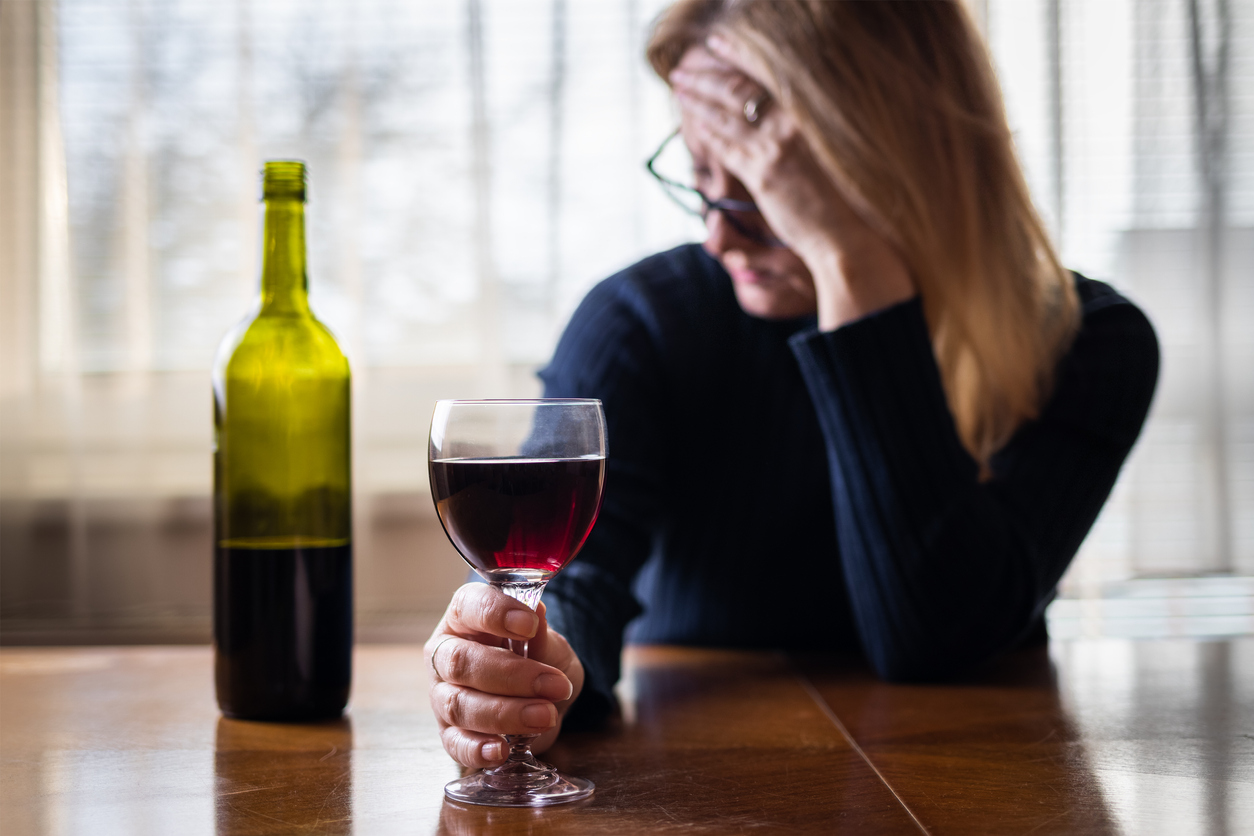
While an occasional drink isn’t a big deal, regular alcohol consumption can cause dehydration and enlarge blood vessels, leading to dry, ruddy skin and wrinkles. Alcohol also robs your body of essential vitamins and minerals, blocking the absorption of vitamins A, B, D, and E, all vital for healthy, elastic skin. Drinking water with each alcoholic beverage helps combat dehydration, but nothing completely counteracts alcohol’s effect on the body.
Not Drinking Enough Water
Most adults don’t drink enough water to begin with, and as we age, our thirst response weakens. This means we reach for fluids less often, leading to dehydration. Even mild dehydration can dry out your skin, causing wrinkles. Severe or prolonged dehydration can even age your brain, with just a 1% fluid loss leading to confusion, lack of focus, and mood swings.
Letting Stress Get the Best of You
Chronic stress wears us down, exhausts us, and makes us look and feel older. Whether the stress is physical or emotional, the brain responds by increasing the production of cortisol and adrenaline. Cortisol breaks down collagen and elastin in the skin, leading to fine lines and wrinkles.
But stress doesn’t just make us look older. It also shortens our telomeres, the compound structures at the end of each chromosome that protect it from damage. Longer telomeres equate to a longer life, and persistent stress can even alter the structure of our DNA.
Skipping on Sleep
Sleep deprivation is a real problem in the modern world. It not only leaves us groggy and slows our reaction time in the short term but also has significant long-term effects. Lack of sleep has been linked to weight gain, diabetes, and cardiovascular disease. It also intensifies amyloid deposition, increasing your chances of developing Alzheimer’s disease. The National Sleep Foundation recommends that adults between 18 and 64 aim for seven to nine hours of sleep per night, and adults over 65 should aim for seven to eight hours.
Smoking
By now, everyone knows that smoking makes you age faster. The chemicals in cigarettes break down the skin’s elasticity and deprive it of oxygen, leaving it loose and yellowish. The pursing motion of the lips around a cigarette can lead to deep lines around the mouth. But the cosmetic damage is nothing compared to the internal aging it causes. Smoking leads to heart disease, high blood pressure, and even lung cancer. The best time to quit is now. Talk to your doctor about kicking the habit.
Too Much Sun (Or Not Enough Sunblock)
Sunlight is essential for our well-being. It helps our bodies produce vitamin D, vital for bone and skin health. Sunlight also helps produce melatonin, which regulates our circadian rhythms, and serotonin, which improves our mood.
But sunlight has a dark side too. Over time, it burns. Sunburned skin becomes inflamed and swollen, and excessive exposure to UV light can damage the eyes, leading to retinal damage and increasing the risk of cataracts.
Fortunately, you can protect yourself. Wear sunblock to shield your skin and good sunglasses that block both UV-A and UV-B rays to protect your eyes. Studies show that sunblock reduces vitamin D production minimally, so the benefits far outweigh the risks.
Take Control of Your Aging Process
Remember, you don’t have to age faster. These are all lifestyle choices that can be changed with the right tools and a little determination. Talk to a medical professional about the best way to make these changes. The adjustments you make now can have a lasting effect not only on your appearance but also on your overall strength and vitality.
For more information on healthy aging, visit National Institute on Aging.