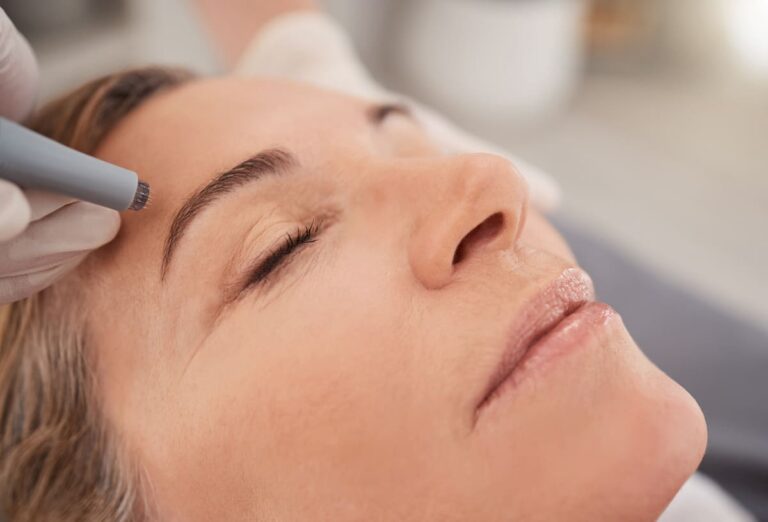
7 Simple Steps to Achieve Naturally Glowing Skin

Achieving naturally glowing skin is simpler than you might think. It’s all about knowing how to properly hydrate your skin, when to do it, and what products to use. Whether it’s summer or winter, the skin on your face, lips, and body requires specific care and products with different properties. Here are some simple ways to care for your skin year-round and the natural ingredients to look for during your next beauty shopping spree.
1. Oil-Based Balm
The lips are the only part of the skin that does not receive moisture naturally. To keep your lips soft and hydrated, it’s essential to use additional products. A balm based on natural ingredients like beeswax or coconut oil is an ideal moisturizing agent that prevents lips from drying out, chapping, or cracking.
If you use lipstick daily, apply a balm as a base to protect your lips from temperature changes and unnatural components found in cosmetic products.
2. Natural Hydration
Hydration is the key to happy winter skin, which means you should not forget about water and reduce the amount of coffee and soda you consume during the day. However, natural hydration can be achieved not only through drinking water but also by using water-based or natural oil-based cosmetic products.
To keep your skin soft and glowing, apply a moisturizing cream or oil to your face and under-eye area before makeup. Ensure that the products you use are made from natural ingredients. Any cream can be replaced with essential oils, which are beneficial and cost-effective. A few drops of mandarin or almond oil will give your skin freshness, restore its tone, and keep it hydrated all day.
Also, don’t forget to use sunscreen every time you go outside, not just in summer but also in winter.
3. Mattifying Without Cosmetics
Powder and foundation can cause skin dryness, especially when it needs moisture the most. Therefore, it’s best to avoid such cosmetic products. To mattify your facial skin without harm, use cosmetic blotting paper. It cleanses the skin, removes excess oil, and prevents the appearance of bacteria, leading to healthy and glowing skin.
4. Quality Oil
Organic oils are suitable for any skin type. Each oil has a different consistency, so you need to find the facial oil that works best for you. For particularly sensitive skin, jojoba oil is the best choice as it is hypoallergenic. Oils based on flowers and seeds are also an excellent choice for facial skin. Organic facial oil not only moisturizes the skin well but also heals damaged areas.
5. Soft Lips
To keep the skin on your lips soft, you need to cleanse it just like your facial skin. For this, you can buy a lip scrub or make one yourself using natural ingredients like sugar. Use a baby toothbrush to apply the scrub or rub it in circular motions with your fingers. Remember that the lip scrub should be very gentle as the skin here is very easy to damage.
6. Aroma Baths
Aromatic baths for facial and body skin are a great way not only to relax but also to improve skin health. Aromatic oils, depending on how they are mixed, can relieve irritation, soothe, and relax the skin. If you use them specifically for facial or body baths, the water will help the oil molecules reach deeper layers of the skin. Use lavender, almond, chamomile to relieve irritation, and ylang-ylang, patchouli, and mandarin flower oils to restore skin tone and glow.
7. Scrub
Using a scrub twice a week or even daily is very beneficial for the skin as it has many advantages. Firstly, applying a scrub involves massaging motions that stimulate blood flow to the cells, keeping the skin firm and toned. Secondly, cleansing. Removing dead skin cells is very important as the skin needs to be able to receive oxygen and moisturize naturally, which is impossible without a scrub or at least a properly chosen washcloth. A good scrub can be made at home using a tablespoon of sugar and coconut oil or lemongrass oil (if you don’t mind a strong lemon scent).
For more tips on skin care, you can refer to authoritative sources like American Academy of Dermatology.