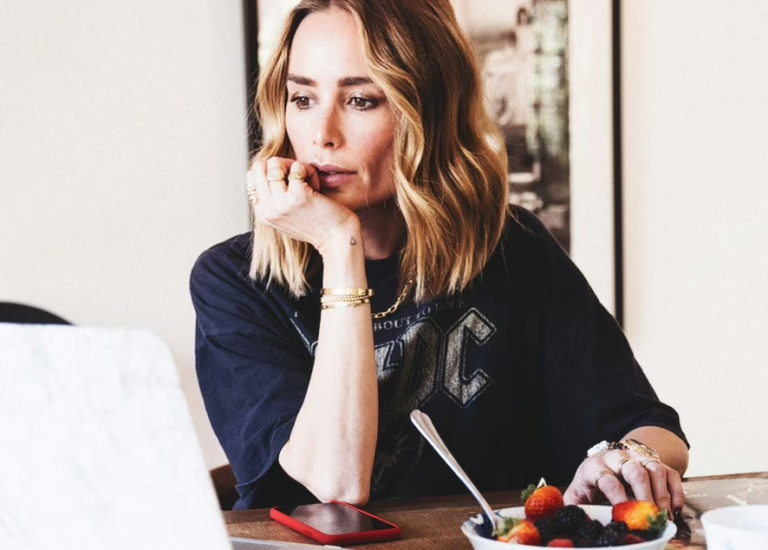
6 Clear Signs You’re Destined to Age Like Fine Wine

Will You Stay Youthful or Show Your Age? Here’s How to Tell
Do you ever catch yourself staring in the mirror, wondering how long you can hold onto that fresh, youthful glow? You’re not alone. Many of us—especially women—spend time pondering whether we’ll age gracefully or start looking older than our years. The good news? There are clear signs that suggest you’re on the right track to aging well. And if you’re lucky, you might even inherit the kind of timeless beauty that turns heads for decades.
My Family’s Secret to Ageless Beauty
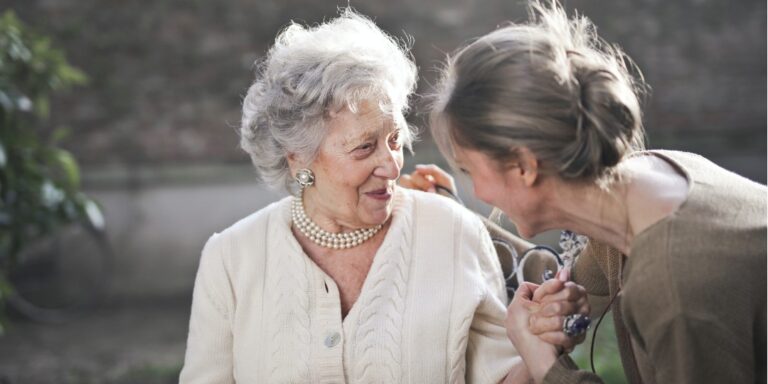
I lost my mother when I was 36, but I’ll never forget how she looked. No matter her age, she always seemed youthful. Strangers would stop her to compliment her smooth skin, bright eyes, and that effortless charm. The funny thing? She never did anything special to fight aging—no expensive creams, no drastic treatments. She just had great genes. Even in her 80s, her cheeks stayed plump, her dimples deep, and her hair never turned gray. She simply aged like fine wine.
Fast forward to today, and I’m in my 60s. People still don’t believe my age. I get carded at bars, and when I walk into a casino, the bouncers always ask for ID. My daughter is 21, and the looks on people’s faces when they realize her age are priceless. (I can practically see the math happening in their heads!) While it’s a little inconvenient now, I know I’ll miss these moments when they stop.
Looking at my daughter, I see my mother’s features—and my own—in her face. Some say she’s the spitting image of her father, but I like to think she’s inherited our family’s knack for staying youthful. With her Latin roots, her skin is naturally smooth and radiant. My hope? That she’ll be the third generation in our family to defy the clock.
Each generation learns new lessons about staying healthy and vibrant. My mother swore by Pond’s Cold Cream. My go-to was Sea Breeze. Today, we focus on nourishing our skin from the inside out. But no matter the era, one thing remains true: aging well starts with understanding the signs.
6 Signs You’ll Age Gracefully
1. Your Skin Is Free of Sunspots
If you grew up in the 1970s like I did, the sun was your best friend. We spent entire days outside, slathered in baby oil, chasing the perfect tan. A sunburn? Just a sign of a good base for a deeper glow. But now we know better. The sun isn’t just a source of warmth—it’s a silent saboteur, causing sunspots, premature aging, and even skin cancer.
Take a close look in the mirror. Do you see clusters of brown spots on your face, neck, hands, or arms? These are sunspots, and they’re a dead giveaway that you’ve spent too much time in the sun without protection. Not only do they make you look older, but they can also be tough to cover with makeup. The fewer you have, the better your chances of aging well.
2. Wrinkles Aren’t Making an Early Appearance
Wrinkles are one of the most obvious signs of aging. If you’re noticing crow’s feet, fine lines, or deep creases while you’re still young, it could mean your skin is losing collagen and elastin—the proteins that keep it plump and firm. Add in years of unprotected sun exposure, and premature aging can sneak up on you faster than you’d like.
Want to keep wrinkles at bay? Wear sunscreen every single day—yes, even on cloudy ones. UV rays are sneaky, and they don’t take a day off. A good broad-spectrum sunscreen is your best defense against fine lines and sagging skin.
3. You Have High Cheekbones
Ever notice how some people—like Meryl Streep—seem to defy time? A big part of that is their bone structure. Women with high cheekbones and oval-shaped faces tend to look more youthful as they age. Why? It’s all about balance. High cheekbones create a natural lift, keeping the face looking full and defined. As we get older, fat pads in the face shift downward, but strong cheekbones help counteract that effect.
If you’ve been blessed with this feature, consider it a built-in anti-aging tool. And if not? Don’t worry—there are still plenty of ways to enhance your natural beauty.
4. Your Parents Look Young for Their Age
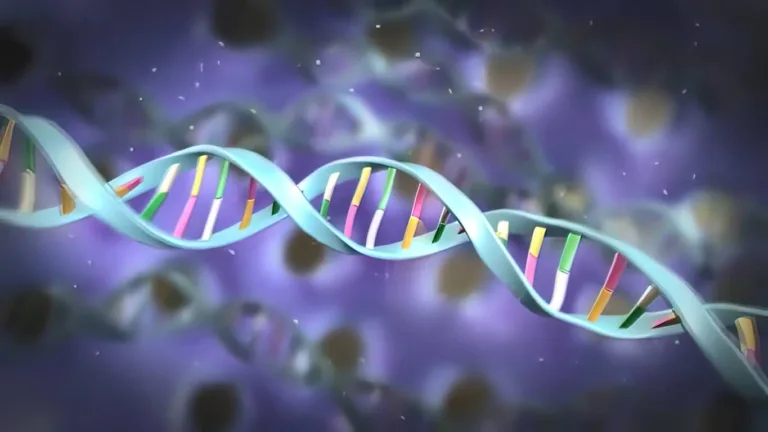
Genetics play a huge role in how we age. If your mother or father still looks youthful well into their later years, there’s a good chance you’ll follow in their footsteps. First-degree relatives give us a preview of what we might look like decades down the road because we share so much of their DNA.
That said, genes aren’t everything. Even if your parents aged like a dream, poor habits—like smoking, excessive drinking, sunbathing without protection, or a sedentary lifestyle—can speed up the aging process. So while you can thank your parents for their good looks, don’t forget to take care of yourself, too.
5. Your Hair Is Thick, Shiny, and Healthy
There’s a reason we associate luscious, flowing hair with youth. Healthy, vibrant locks are a sign of vitality, while thin, brittle, or dull hair can make you look older than you are. Hair is often one of the first things people notice, so it pays to take good care of it.
Use a quality shampoo and conditioner tailored to your hair type, and consider adding a hair vitamin or supplement if you’re noticing thinning. And remember: stress, poor nutrition, and heat styling can all take a toll on your tresses. Treat them kindly, and they’ll reward you with a youthful glow.
6. You Have More Melanin in Your Skin
Melanin is the pigment that gives skin its color, and it also acts as a natural sunscreen. The more melanin you have, the more protection your skin has against UV damage—which means fewer sunspots, less wrinkling, and a more youthful appearance over time.
But here’s the catch: no matter your skin tone, skipping sunscreen is a one-way ticket to premature aging. Even dark skin can suffer from sun damage, so don’t assume you’re in the clear. Always protect your skin, no matter how much melanin you have.
4 Pro Tips to Age Even Better
Aging well isn’t just about looking young—it’s about feeling young, too. While the signs above can give you a hint of how you’ll age, these tips will help you stay vibrant, healthy, and full of life as the years go by.
Prioritize Physical Health and Activity
Exercise is non-negotiable if you want to age well. You don’t have to run marathons or lift heavy weights (unless you want to!). Even light activities like walking, swimming, or yoga can work wonders for your mobility, flexibility, and heart health. Strength training is especially important—it helps maintain muscle mass, which naturally declines with age, and keeps your bones strong.
Regular movement also lowers your risk of chronic diseases like heart disease, diabetes, and arthritis. Plus, it boosts your mood, energy levels, and overall quality of life. Aim for at least 30 minutes of activity most days of the week.
Eat a Nutrient-Rich Diet and Stay Hydrated
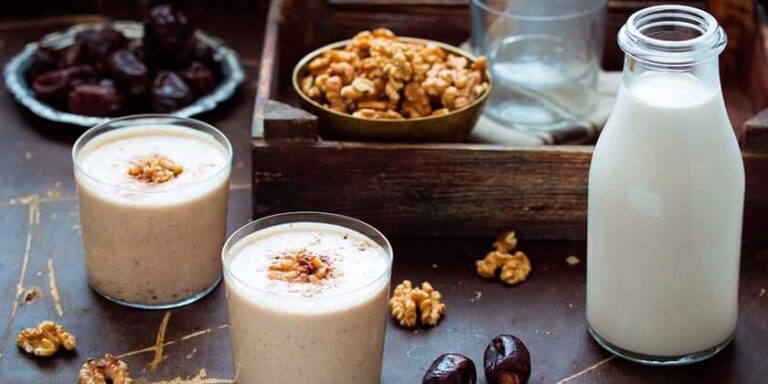
You are what you eat—and that’s especially true when it comes to aging. A diet packed with fruits, vegetables, whole grains, lean proteins, and healthy fats gives your body the nutrients it needs to function at its best. Antioxidant-rich foods, like berries, leafy greens, and nuts, help fight oxidative stress, which accelerates aging and contributes to diseases.
Don’t forget about hydration, either. Water supports digestion, circulation, and skin health. If your skin is dry or dull, it might be a sign you’re not drinking enough. Aim for at least eight glasses a day, and more if you’re active or live in a hot climate.
Keep Your Mind Sharp and Resilient
Mental agility is just as important as physical agility. Challenge your brain with activities like reading, puzzles, learning a new language, or playing an instrument. These habits keep your mind sharp and may even reduce your risk of cognitive decline.
Stress management is another key piece of the puzzle. Chronic stress raises cortisol levels, which can speed up aging and weaken your immune system. Practices like meditation, deep breathing, or journaling can help you stay calm and centered. And don’t underestimate the power of social connections. Spending time with friends, family, and community can lift your mood, reduce loneliness, and even extend your lifespan.
Get Quality Sleep
Sleep is when your body repairs itself. It strengthens your immune system, supports brain function, and helps your skin regenerate. Poor sleep, on the other hand, can lead to dark circles, dull skin, weight gain, and a higher risk of chronic diseases.
To age well, prioritize good sleep hygiene. Stick to a consistent sleep schedule, create a relaxing bedtime routine, and make your bedroom a sanctuary—cool, dark, and free from distractions like TVs and phones. Aim for 7-9 hours of quality sleep each night.
Aging gracefully is about more than just genetics or luck. It’s a combination of good habits, self-care, and a positive mindset. By focusing on both your body and mind, you can look and feel your best at every stage of life. And who knows? You might just become the next person people stop to compliment on your timeless beauty.
For more on skin health, check out the Skin Cancer Foundation for expert advice on sun protection.