5 Ways to Look Fabulous This Winter

5 Ways to Look Fabulous This Winter
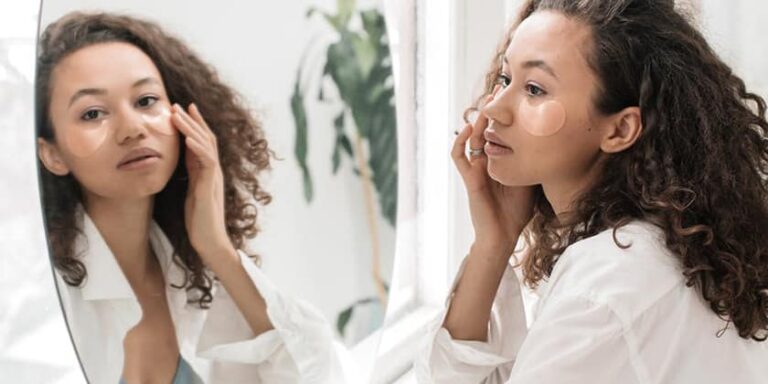
It’s always a pleasure to admire your reflection, especially when you know how to fix any skin issues. Here are the top 5 ways to maintain your attractiveness even in the harshest winter frosts.
Get Enough Sleep
The quality of your sleep affects your physical and mental state, mood, productivity, and, of course, your healthy appearance. The amount of sleep needed for a “good” night’s rest varies from person to person. It’s known that during winter, the duration of sleep increases by 30-45 minutes due to the body’s adaptation to shorter daylight hours.
We are all similar, yet our biological mechanisms have differences. Therefore, the main criterion for healthy sleep is feeling good when you wake up.
It’s best to sleep in a well-ventilated room with a comfortable and cozy bed. Evening walks and relaxing warm baths or showers can also help. Avoid eating large meals before bed, as digestion can interfere with peaceful sleep. A few hours before bedtime, consider drinking warm milk with honey or a herbal infusion of chamomile or lemon balm.
Maintain a Proper Diet
In winter, food should be more calorie-dense compared to spring, summer, and even autumn diets. To maintain skin beauty, it’s important to increase the intake of healthy fats. Opt for fish like herring, capelin, and mackerel. Avoid excessive consumption of salted fish, as too much salt can cause swelling and worsen facial skin condition.
For snacks, choose nuts such as walnuts, pine nuts, cashews, or hazelnuts. Calcium-rich products like cheese, cottage cheese, and a moderate amount of butter are also beneficial. To help the body absorb calcium and normalize metabolic processes, include vitamin D-rich foods like egg yolk, chanterelle mushrooms, salmon, and liver. Whole grain cereals like buckwheat, oatmeal, and barley can also be added to your diet.
Choose hot foods like borscht, cabbage soup, and other soups, which are recommended to eat for breakfast, lunch, and dinner during winter.
The appearance of your skin is directly related to your health. Adding 4-5 servings of vegetables to your diet can significantly boost your vitamin intake and help your body cope with stress.
Zucchini, cabbage, horseradish, carrots, beets, and potatoes are rich in micro and macro elements. Fruits and berries like apples, pears, kiwi, and grapefruits are also important. It’s best to eat them raw to preserve their vitamins.
Stay Physically Active
Moderate physical exercise strengthens the heart and arteries, making the delivery of oxygen and nutrients to skin cells more effective. Sports also stimulate the production of collagen and elastin, improving skin appearance. Visiting a pool or gym can be beneficial.
Outdoor walks are essential for a good appearance. They improve microcirculation and keep the immune system active. Morning exercises can also have a great effect, making you feel energized and helping you overcome winter blues. You can also try face-building exercises, which can have a rejuvenating effect and relieve skin stress.
Choose and Use Cosmetics Wisely
It’s crucial to remember that our skin type remains the same throughout our lives. However, with age and the transition to winter, skin can become slightly drier. Therefore, it’s necessary to adjust your skincare routine accordingly.
In winter, it’s better to use creams for the “neighboring” skin type. If you usually use products for oily skin, switch to a light cream for combination skin during winter. If you have normal skin, opt for cosmetics designed for dry skin, and so on.
During cold weather, choose products with protective and nourishing properties that outweigh their moisturizing effects. Their composition should include ingredients that slow down moisture evaporation from the skin’s surface. Avoid creams containing mineral oil, petroleum jelly, and paraffin.
While these ingredients effectively protect the skin from moisture loss, constant use can prevent skin cells from restoring the lipid barrier and retaining moisture independently, leading to dry skin.
In winter, it’s often enough to change only your daytime cream. However, if your skin feels tight after washing, consider switching to a gentler cleanser, such as a foam for sensitive skin.
While it’s recommended to apply daytime cream 20-30 minutes before going out in summer, in winter, it’s better to have a buffer of 40-60 minutes.
Regular exposure to frost with unabsorbed cream on the skin can lead to dehydration. In winter, you can increase the frequency of nourishing and moisturizing masks to 2-3 times a week.
All modern women know that excessive sun exposure leads to premature skin aging. However, due to the lack of ultraviolet light in winter, the synthesis of vitamin D, collagen, and elastin slows down, leading to wrinkles. Therefore, high SPF creams are unnecessary in winter.
Pamper Yourself
Unfortunately, any stress affects the skin’s condition. Constant tension can cause facial muscle spasms, leading to a loss of skin firmness and elasticity. A simple massage can help improve blood flow and skin condition.
Acupressure is an excellent way to relax. The key is to focus solely on active points, such as the central part of the inner side of the chin or the earlobes.
Regular visits to a sauna or bathhouse can help restore skin tone. The temperature changes—moving from the steam room to a cold pool—provide intense training for the blood vessels (they expand and contract), which triggers skin regeneration. For enhanced effects, use face masks and scrubs.
You can also perform contrast procedures using compresses. You’ll need gauze and two containers: one with cold water and one with hot water. Start by applying a nourishing cream to your face and wait for it to absorb. Then, apply a cold compress for 5 minutes, followed by a hot compress for 2 minutes. Alternate between the two, ending with a cold compress.
A gentle facial massage using an ice cube can also be beneficial. You can freeze mineral water or herbal infusions of chamomile, linden, mint, or sage.
Winter is an ideal time for peels, which can restore skin firmness, eliminate acne scars, and improve complexion. Depending on your skin condition, a cosmetologist can recommend a suitable type of peel. While it’s cold outside, you can also undergo a skin whitening procedure if you have pigment spots or freckles.
During winter, dermatoses often worsen, and acne may appear. Restorative procedures aimed at soothing and moisturizing the skin can help address these issues. One such method is microcurrent therapy, which involves a course of 10-15 procedures, 1-2 times a week.
If both the upper and deep layers of the skin are dehydrated, biorevitalization—a procedure involving microinjections of hyaluronic acid preparations—can be effective. This treatment moisturizes the skin and stimulates the production of elastin and collagen, making the skin more firm and healthy. Such injections not only restore tired and dehydrated skin but also protect it from the aggressive effects of cold.
For more information on winter skincare, visit American Academy of Dermatology.