5 Must-Do Weight Training Exercises to Transform Your Body & Boost Longevity
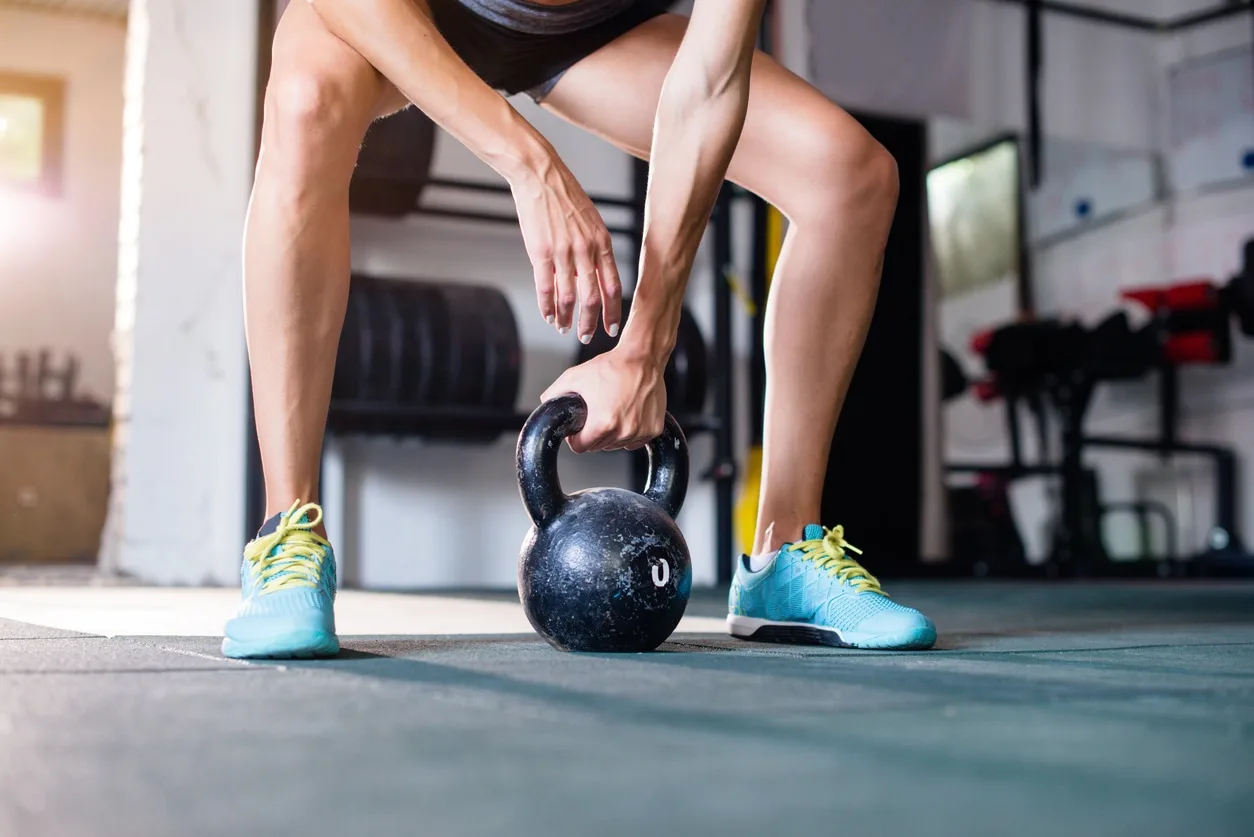
Why Weight Training Is Non-Negotiable for a Stronger, Healthier You
If you want to look better, feel better, and age with energy and confidence, there’s one type of exercise you cannot afford to skip: weight training. The science is clear—no other form of exercise builds muscle, boosts metabolism, and strengthens bones as effectively. Muscle isn’t just about aesthetics; it’s the ultimate organ of longevity, helping you maintain mobility, independence, and vitality well into your later years.
Weight Training vs. Resistance Training: What’s the Difference?
You’ll often see the terms “weight training” and “resistance training” used interchangeably, but they’re not exactly the same. Resistance training is a broader category that includes:
- Bodyweight exercises (push-ups, squats, lunges)
- Resistance bands and tubing
- Pilates and suspension training
- Machine weights and free weights (dumbbells, kettlebells, barbells)
While all of these can build strength, the key to real, lasting change is overload. That means pushing your muscles to the point of temporary fatigue—where you can’t complete another rep with good form. This is how muscles adapt, grow stronger, and improve endurance.
The Sweet Spot: Safe, Effective Weight Training for Midlife and Beyond
As we age, the goal is to balance risk and reward. You need enough resistance to challenge your muscles and bones, but not so much that you risk injury—especially to your spine or joints. That’s where unilateral (single-leg or single-arm) exercises shine. They allow you to:
- Reach fatigue with lighter weights, reducing stress on your spine
- Engage stabilizing muscles that bilateral (two-leg) exercises often miss
- Improve balance and coordination, lowering your risk of falls
Bilateral exercises like squats or leg presses with heavy weights can place significant pressure on your spine. Unilateral movements, on the other hand, let you build strength safely while targeting muscles that support stability and mobility.
5 Essential Weight Training Exercises to Add to Your Routine
These five exercises are a game-changer for building strength, muscle tone, and bone density. Start with bodyweight only, then gradually add resistance as you get stronger. Aim for fatigue—stop when you can’t complete another rep with proper form. Once you can easily do 15-20 reps (for the first three exercises), add weight to keep progressing.
1. Single-Leg Deadlift
How to do it: Stand with one leg slightly forward. Hold a weight (dumbbell or kettlebell) in the opposite hand. Keeping a slight bend in your knee, hinge at the hips and lower the weight toward the floor or a step, as if you’re reaching for your shoelaces. Keep your back straight and core engaged.
Where you should feel it: Hamstrings (back of the thigh) and glutes.
Where you should not feel it: Lower back. If you feel strain here, reduce the range of motion or lighten the weight.
2. Single-Leg Lunge with Elevated Rear Leg
How to do it: Stand with one leg forward and your back leg elevated on a bench, chair, or ottoman. Keep your weight on your front heel as you lower your body, then press through the heel to stand back up. Keep your torso upright and core tight.
Where you should feel it: Glutes and quads.
Where you should not feel it: Front knee. If your knee feels strained, shift your weight back onto your heel and check your alignment.
3. Single-Leg Bridge
How to do it: Lie on your back with one ankle crossed over the opposite knee. Press through the heel of your grounded foot to lift your hips toward the ceiling. Lower slightly without fully setting down, then repeat. For added resistance, place a weight plate or resistance band across your hips.
Where you should feel it: Glutes and hamstrings.
Where you should not feel it: Lower back. If your back arches, engage your core and reduce the range of motion.
4. Half Moon Pose (Yoga)
How to do it: Stand with your back close to a wall for support if needed. Place a yoga block or prop on the floor in front of you. Shift your weight onto one leg, then lift your other leg parallel to the floor while straightening your standing leg. Keep your weight evenly distributed across your front foot, with a slight emphasis on the heel. Hold for as long as you can, breathing deeply.
Where you should feel it: Glutes, outer hips, and core.
5. Tree Pose (Yoga)
How to do it: Stand tall, barefoot or in shoes (barefoot adds a balance challenge). Lift one foot and place the sole against your standing leg, as high as your flexibility allows. Press your standing foot firmly into the ground and your lifted foot into your leg. Hold for as long as you can, using a wall or chair for support if needed.
Where you should feel it: Core, glutes, and inner thighs.
Pro Tips for Success
While unilateral exercises are fantastic for safety and stability, don’t forget to include some bilateral movements with heavier weights to maximize bone density and body composition. These five exercises are a great starting point, whether you’re new to weight training or looking to enhance your current routine.
As always, listen to your body. If you have arthritis, osteoporosis, or other joint concerns, work with a physical therapist or certified trainer to modify these exercises for your needs. And remember: consistency is key. Aim to do these exercises 1-2 times per week, and gradually increase the challenge as you get stronger.
For equipment recommendations, consider starting with a set of vinyl-coated kettlebells or a sturdy yoga mat to support your practice.
Note: Always consult your doctor before beginning any new exercise program, especially if you have pre-existing health conditions.