3 Effective Techniques to Calm Body Tremors After Severe Shock
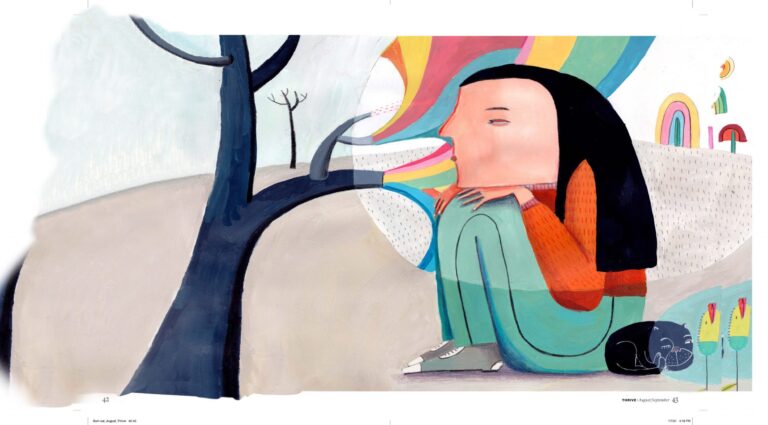
Over the past three years, we have all been living in constant tension, and the explosions on the streets can cause our bodies to tremble. Olenа Khil, a psychologist, trainer, and expert in communication psychology, shares how to calm this bodily reaction to immense stress. Khil researches the impact of empathy and emotional intelligence on psychological well-being and close relationships.
Understanding the Body’s Reaction to Stress
When you feel anxiety, stress, or fear, your body releases stress hormones that send energy surges to help you escape or fight danger. If you don’t use this accumulated energy, it can cause trembling. Learning to calm your nervous system when you’re nervous can be achieved through stress reduction strategies.
Naturally, when your entire body is trembling, you want to regulate this reaction and calm down. Moreover, if this reaction happens to you or your loved ones for the first time, it’s likely to cause anxiety or even panic. Rest assured, this is a completely normal reaction to an abnormally high level of stress. Fear for your life and the lives of your loved ones, gunshots, alarming news, and shocking photos and videos keep stress hormone levels extremely high in your body, overstimulating your nervous system.
Techniques to Calm Body Tremors
Unfortunately, there is no instant remedy to stop uncontrollable trembling. However, there are practices that can gradually calm your nervous system and help reduce it. The first thing you need to do is focus on the sensations in your body.
1. Focus on Your Breathing
When you’re anxious, scared, and start trembling, your body releases adrenaline. This is a protective biological reaction that can make you feel like you’re not in control of your body’s response. However, this is not the case. While we can’t control many things when feeling anxious, we can always influence our breathing. Start by paying close attention to it. Take a deep breath through your nose, hold your breath, and exhale through your mouth, then hold your breath again. Slowing down your breathing can help stop the surge of stress hormones and reduce trembling. Find a comfortable breathing pace and repeat 10-20 times. You will gradually feel your body calming down and the trembling subsiding.
2. Meditate for 1-2 Minutes
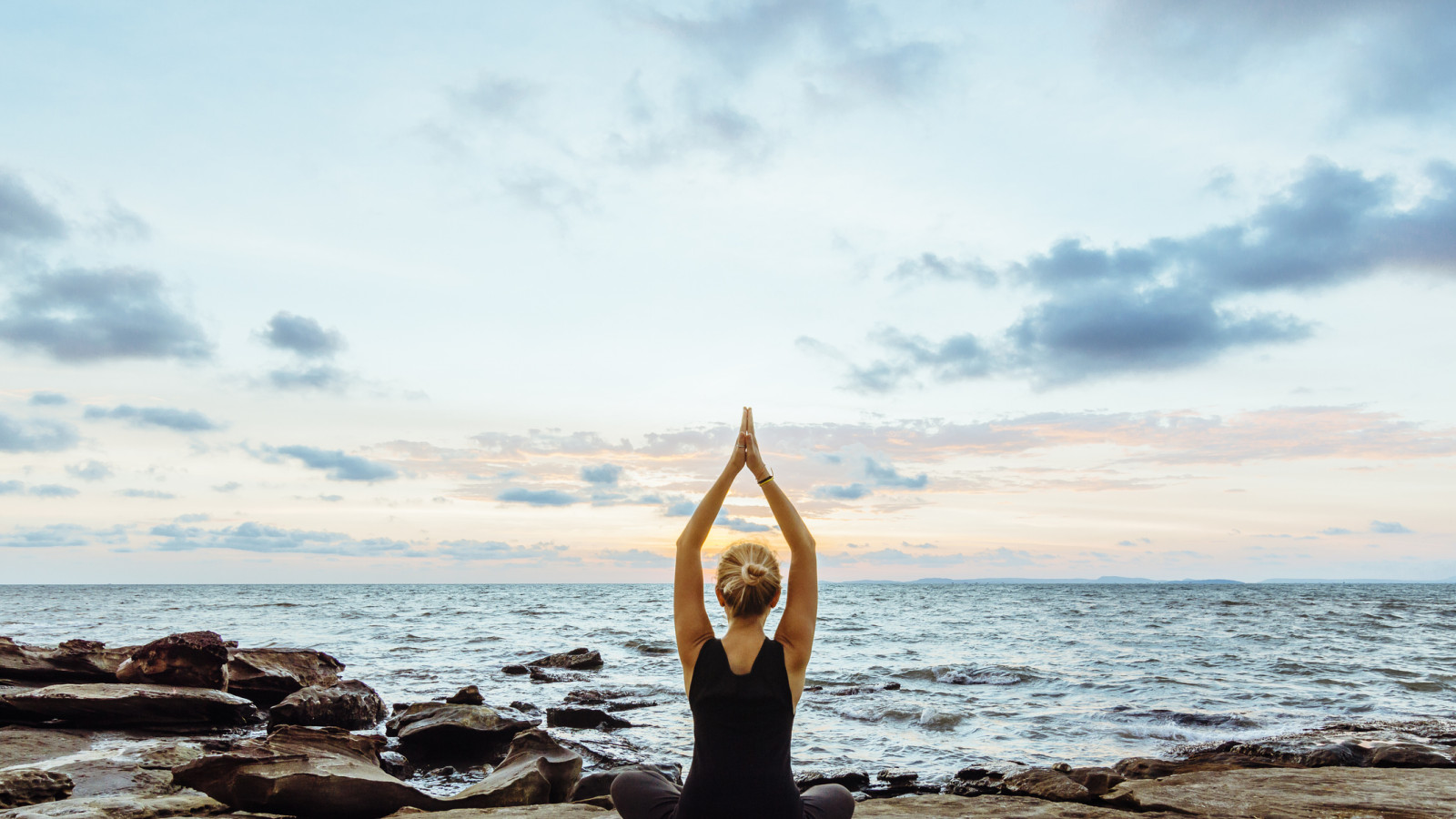
Even one or two minutes of meditation can help you relax and relieve stress. A simple meditation technique—focusing on the cool air you deeply inhale and the stream of warm air you exhale—can provide a greater sense of calm to your body.
You can place your hand slightly above your heart and gently stroke yourself upward with each inhale and downward with each exhale. This allows your nervous system to release oxytocin, which reduces the concentration of stress hormones.
If a child or someone close to you is trembling, hug them and breathe together with them, or gently stroke their back or from their shoulder to their elbow, slowly upward with a slow inhale and slowly downward with a deep exhale.
3. Practice Rhythmic Movements or Steps
Releasing the adrenaline accumulated in your body can also help reduce nervous excitement. Any physical exercise can help discharge the adrenaline boost. Therefore, if you are safe and have the opportunity to go outside, do so. Practices of deep breathing in the fresh air during a walk and the rhythm of your steps act as a double calming agent.
For more information on managing stress and anxiety, you can refer to resources provided by experts in the field, such as the American Psychological Association.