25 Smart Fast-Food Picks for Healthier Eating on the Go
25 Smart Fast-Food Picks for Healthier Eating on the Go
Life gets hectic, and sometimes fast food is the only option. But that doesn’t mean you have to sacrifice nutrition. Whether you’re watching your weight, managing blood pressure, or just trying to make smarter choices, this list of 25 healthier fast-food meals will help you stay on track without the stress.
As we age, our nutritional needs shift. Protein becomes essential for preserving muscle and bone strength, fiber supports digestion, and keeping sodium in check helps protect heart health. The good news? Many fast-food chains offer balanced, lower-calorie options—you just need to know what to order (and what to tweak). Below, you’ll find the best picks from popular restaurants, along with simple swaps to make them even better.
How to Use This Guide
Keep this list handy for your next drive-thru run or mobile order. A few universal tips:
- Always ask for sauces and dressings on the side—this lets you control how much you use.
- Skip extra cheese or opt for light spreads to cut saturated fat.
- Swap fries for a side salad, fruit cup, or steamed veggies whenever possible.
- If sodium is a concern (especially for blood pressure or heart health), aim for smaller portions and check nutrition labels—many restaurant meals pack a day’s worth of salt.
For reference, the American Heart Association recommends limiting sodium to 2,300 mg per day, with an ideal target of 1,500 mg for older adults or those with hypertension.
Healthier Fast-Food Meals by Restaurant
Chick-fil-A
- Grilled Chicken Sandwich – 320–380 calories. A lean, grilled chicken breast on a multigrain bun. Skip the mayo or ask for a light spread to save calories and fat.
- Chicken Tortilla Soup (cup) – 260–340 calories. A seasonal favorite packed with veggies and beans. Opt for the cup size to keep portions in check.
- Grilled Nuggets (8) + Fruit Cup – 190 calories. High in protein, low in fat, and the fruit cup replaces fries for a fresher side.
Chipotle
- Sofritas Burrito Bowl – 545 calories. Brown rice, black beans, fajita veggies, lettuce, and salsa. Skip the tortilla, sour cream, and cheese to keep it light but filling.
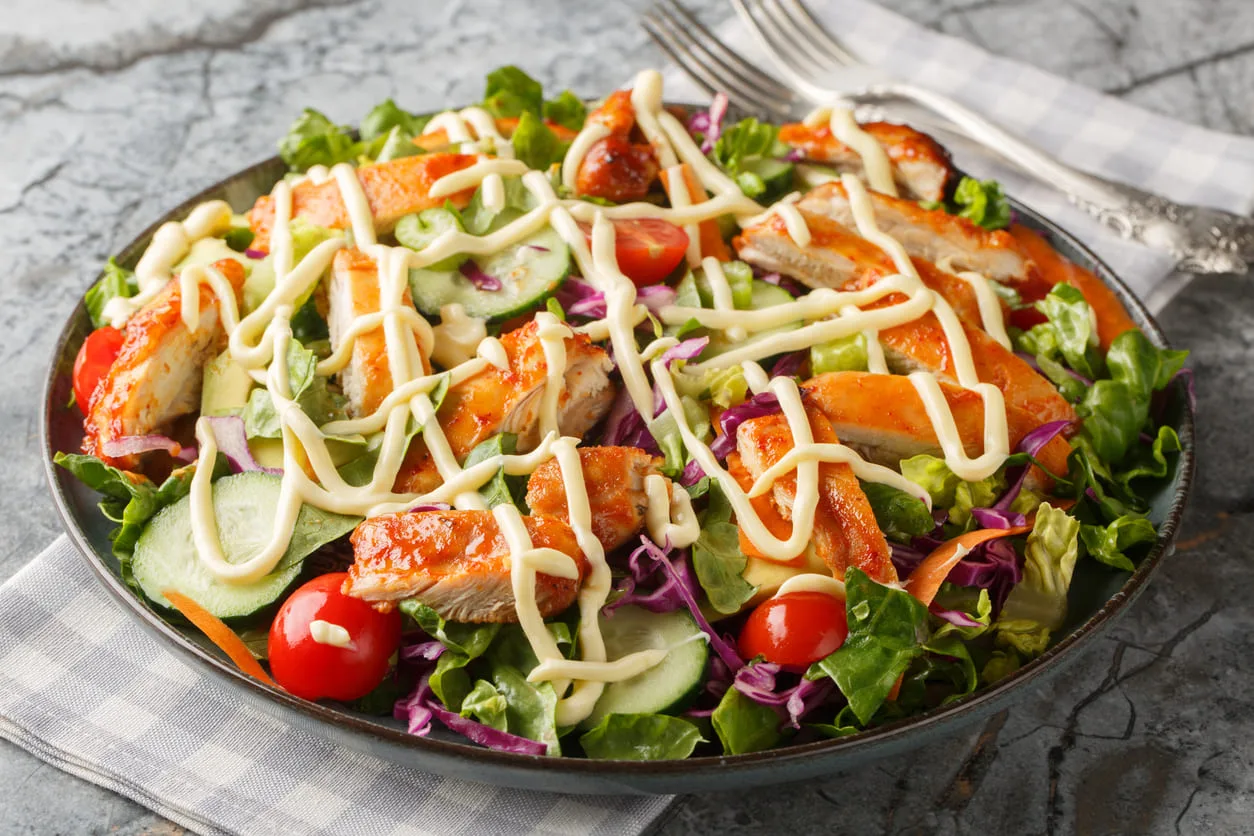
- Grilled Chicken Salad – 425 calories. Romaine, black beans, fajita veggies, and roasted chili-corn salsa. Choose vinaigrette or salsa on the side for a protein-rich, satisfying meal.
Domino’s
- Thin-Crust Veggie Pizza (light cheese, ¼ medium) – 290 calories. Thin crust and light cheese keep calories down, while extra veggies add fiber and nutrients.
- Chicken Parmesan Sandwich (half) – 380 calories. Order half a sandwich to control portions, and pair it with a side salad for balance.
Dunkin’
- Egg & Cheese on English Muffin – 340 calories. A solid protein-packed breakfast. Add a piece of fruit for extra fiber.
- Egg White & Veggie Omelet Bites + English Muffin – 270 calories. Egg whites and veggies lower saturated fat while boosting nutrients.
KFC
- Chicken Little + Green Beans – 325 calories. A smaller sandwich with a veggie side keeps calories and fat in check.
- Snack-Size Famous Bowl – 270–280 calories. A smaller portion of this popular bowl helps manage calories and sodium.
McDonald’s
- Hamburger (classic) – 250–255 calories. Simple, smaller, and lower in calories than specialty burgers. Skip extra condiments to save even more.
- McDouble (no cheese) – 350 calories. Ask for no cheese to reduce saturated fat while keeping the protein. A single-patty hamburger is another great option.
Panera Bread
- Mediterranean Veggie Sandwich on Tomato Basil Bread – 440–540 calories. Loaded with veggies and flavor. Choose whole-grain bread when available and watch portion sizes.
- Green Goddess Cobb Salad with Chicken (half) + Apple – 250 calories. Order the half salad with dressing on the side, and add fruit for a balanced, satisfying meal.
Pizza Hut
- Veggie Lovers Thin ’n Crispy (¼ medium) – 180–360 calories. Thin crust and veggie toppings mean fewer calories per slice. Stick to a small portion and pair with a salad.
- Chicken Garden Salad (no cheese; dressing on side) – 400 calories. Opt for grilled chicken and keep the dressing on the side to control calories.
Starbucks
- Turkey Bacon, Cheddar & Egg White Sandwich – 230 calories. Lean turkey bacon and egg whites provide protein without excess calories.
- Spinach, Feta & Egg White Wrap – 250–290 calories. Packed with veggies and protein, this wrap is a great breakfast or light lunch option.
Subway
- 6″ Veggie Delite with Provolone (multigrain, mustard + veggies) – 250 calories. A light, veggie-forward sandwich. Add extra veggies for volume and fiber.
- 6″ Oven-Roast Turkey & Swiss on Multigrain (mustard + veggies) – 320 calories. Choose multigrain bread, mustard, and plenty of veggies. Skip the mayo to keep it lean.
Taco Bell
- Power Menu Bowl – Grilled Chicken – 400 calories. Ask for no signature sauce, easy cheese, and extra lettuce and tomato. Bowls let you control carbs while keeping protein high.
- Black Bean Burrito (no cheese, extra beans, add rice if desired) – 420 calories. Plant-based protein from beans, with the option to add rice for extra fiber. Skip the cheese to reduce saturated fat.
Wendy’s
- Jr. Hamburger – 240–284 calories. A smaller portion helps control calories. Pair it with a side salad for a balanced meal.
- Jr. Cheeseburger – 340 calories. If you want cheese, the Jr. Cheeseburger keeps portions and calories in check. Skip the mayo to save on fat.
Simple Swaps for Healthier Fast-Food Orders
Small changes can make a big difference in the nutritional value of your meal. Try these easy tweaks next time you order:
- Sauces and dressings on the side – This gives you control over how much you use, reducing unnecessary calories and sodium.
- Grilled over fried – Grilled chicken, fish, or veggies are almost always the healthier choice compared to fried options.
- Whole-grain bread – When available, opt for whole-grain or multigrain bread for added fiber and nutrients.
- Swap fries for veggies or fruit – Many restaurants offer side salads, steamed veggies, or fruit cups as alternatives to fries.
- Add extra vegetables – Pile on the veggies to increase fiber, vitamins, and fullness without adding many calories.
- Skip sugary drinks – Water, sparkling water, or unsweetened iced tea are much better choices than soda or sweetened beverages.
- Watch portion sizes – Consider sharing a meal or boxing half immediately to avoid overeating.
These habits are especially helpful as we age, when managing weight, blood pressure, and muscle health becomes more important. Even small changes—like choosing grilled over fried or adding extra veggies—can add up to big health benefits over time.
Quick Tips for Dining with Health Conditions
If you have specific dietary needs, a little planning can go a long way:
- Blood pressure or heart medications – Talk to your doctor about a sodium goal, and check nutrition labels or use app calculators before ordering. Many chains provide detailed nutrition info online or in their apps.
- Diabetes – Watch carbohydrate portions (rice, bread, tortillas) and pair carbs with protein and fiber to help stabilize blood sugar.
- Restricted diets – Use the restaurant’s online nutrition calculator (available in most chain apps) to customize your order safely. This is a great way to check calories, sodium, and allergens before you eat.
Most major fast-food chains, like Chipotle, offer nutrition calculators in their apps or on their websites, making it easier to make informed choices.
Final Thoughts
You don’t have to be perfect—just a little more informed. Bookmark this guide on your phone so it’s ready the next time you’re in a rush. Every smart swap, whether it’s grilled instead of fried, dressing on the side, or extra veggies, adds up over time. Happy, healthy eating—one better choice at a time!