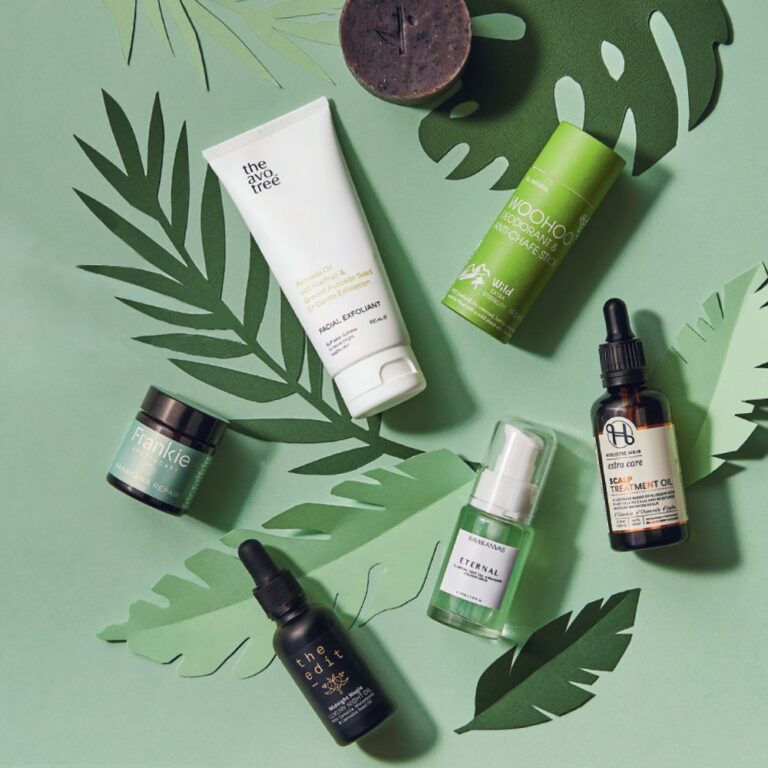
11 Reasons Why You’re Still Struggling with Acne

11 Reasons Why You’re Still Struggling with Acne
You’ve tried every cleanser, mask, and night cream under the sun, yet every morning you wake up to a new red spot on your cheek. It’s frustrating and disheartening, especially after investing so much time and money. The truth is, your current skincare routine might not be what your skin needs, and it could even be making things worse. Here are some reasons why you’re still battling acne and losing the fight, despite your best efforts.
1. You’re Unknowingly Consuming Steroids
If you eat and drink the same things every day, it can significantly impact your body. For instance, protein shakes and bars may contain traces of steroids, even if they’re not listed on the labels. Making some dietary changes and incorporating more organic foods can make a noticeable difference in your skin’s condition.
2. Your Skincare Routine is Too Complex
While a multi-step skincare routine might seem like the best solution for acne, it could be doing more harm than good. Using too many products can irritate and dry out your skin. Moreover, overusing exfoliating and cleansing products strips away surface oils, not the sebum deep within the follicles that cause problems. Dermatologists recommend using peels and scrubs no more than once a week.
3. Your Hormones Are Out of Whack
If you’re constantly battling acne, it might be time to get a blood test to understand what’s happening internally. Good skincare might not be enough if your hormone levels are off. A blood test can also reveal conditions like polycystic ovary syndrome, pituitary gland enlargement, or Welpe’s disease, which can interfere with traditional skin treatments. If something’s off internally, your doctor can prescribe treatment to help balance your hormones.
4. Your Makeup Brushes Are Dirty
When was the last time you thoroughly washed your makeup brushes? Not just a quick wipe with a cleansing solution, but a full wash in warm water, ensuring all bacteria are removed. Dirty brushes can lead to breakouts. To prevent these microbes from ending up on your face, wash your concealer brushes and other tools at least once a week.
5. Your Hair Products Are Affecting Your Skin
Think a stray hair touching your face for a second won’t do any harm? Think again. If you use oils, mousses, and sprays for styling, be careful to keep them off your face. The ingredients in hair products can be harmful to your skin, especially if you have constant irritation on your cheeks and forehead.
6. The Inflammation Is Internal
Not all acne causes are external. Sometimes, it’s a sign of internal inflammation. Try reducing inflammatory foods like sugar and starches, and add more beneficial foods like green vegetables, nuts, blueberries, and oranges to your diet. The difference will be noticeable.
7. You Have an Undiagnosed Allergy
If acne persists and dietary changes don’t help, it might be time to investigate further. You could have an intolerance to lactose or another substance. An allergist or dermatologist can help determine what’s causing your reactions. Alternatively, you might need to get your hormones checked.
8. Your Cosmetics Aren’t Suitable
If you wear a full face of makeup every day, it might be time to switch up the brands you’re using. Foundations can contain a long list of ingredients with harmful chemicals, dyes, preservatives, and fragrances. Non-mineral formulas are often very liquid, so they absorb more easily into the skin, clogging pores and worsening acne. They also often contain oils that disrupt the skin’s natural balance. Try mineral makeup, which is designed to stay on the surface of the skin, creating a natural barrier against environmental factors.
9. Your Phone Is to Blame
Microbiologists say that our phones harbor more than 25,000 microbes and bacteria per square centimeter. We touch doorknobs, money, and handrails in public transport, then touch our phones with the same hands. When the phone touches your cheek during a call, all those bacteria can penetrate your skin’s pores, leading to inflammation. Use antibacterial wipes before talking on your phone to significantly reduce the risk of inflammation.
10. You’re Constantly Touching Your Face
Often, new breakouts occur due to mechanical damage. For example, if you constantly rest your head on your hands while sitting for long periods. It could be the headband you wear during workouts, or maybe you just need to change your pillowcase more often. The fewer such factors in your life, the lower the risk of inflammation.
11. You’re Stressed Out
Even the best skincare routine won’t work if you’re under serious stress. This obvious but often ignored problem in the fight against acne is your mental state. Learn to manage stress, take more walks if you’re feeling down, and your skin will thank you.
For more information on skincare and wellness, visit Healthline.